


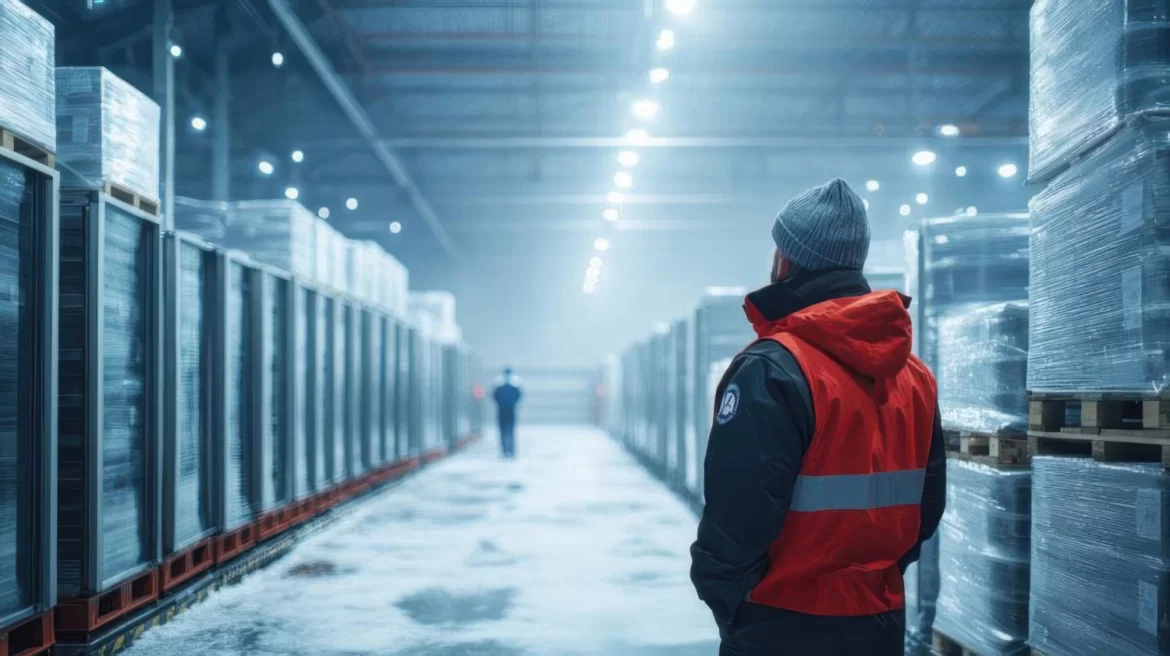

When choosing a racking system in food warehouses, the question “how many pallets fit?” is important, but it is not sufficient on its own. Because in food warehouses, the warehouse racking system must meet requirements such as hygiene, temperature control, and traceability while increasing capacity at the same time. That’s why warehouse racking systems designed
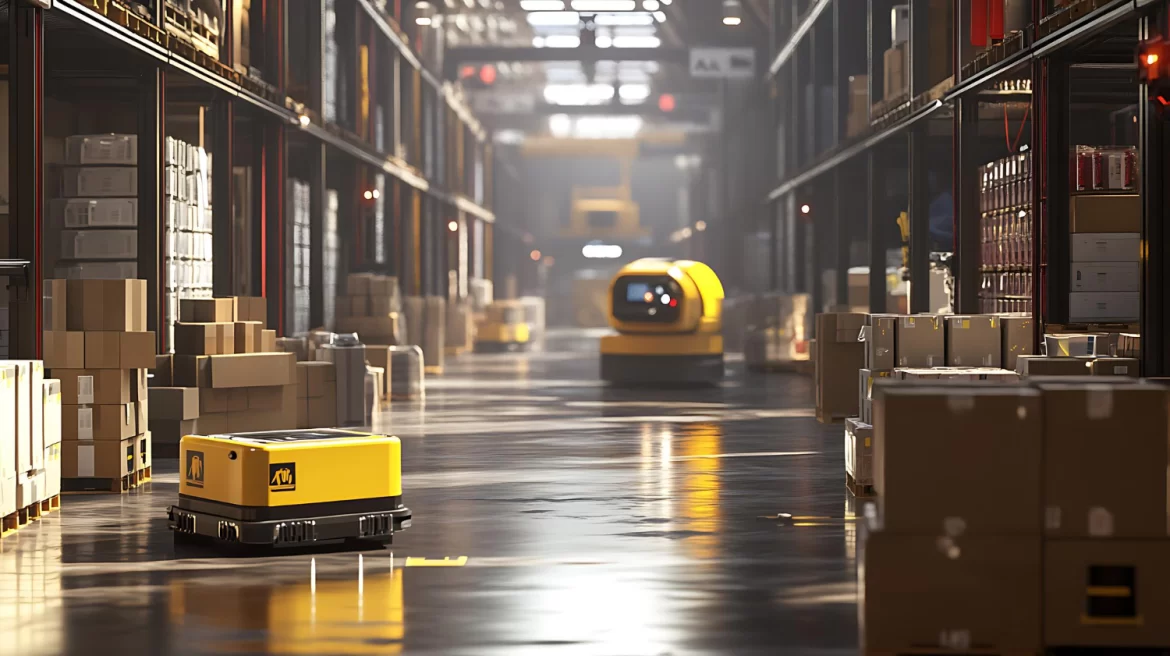
When artificial intelligence comes up, two extreme approaches emerge in warehouses. On one side, there is the expectation that “it solves everything.” On the other side, there is the reflex of “our work is on the floor what would software know?” The truth sits somewhere in the middle: Artificial intelligence makes a serious difference in
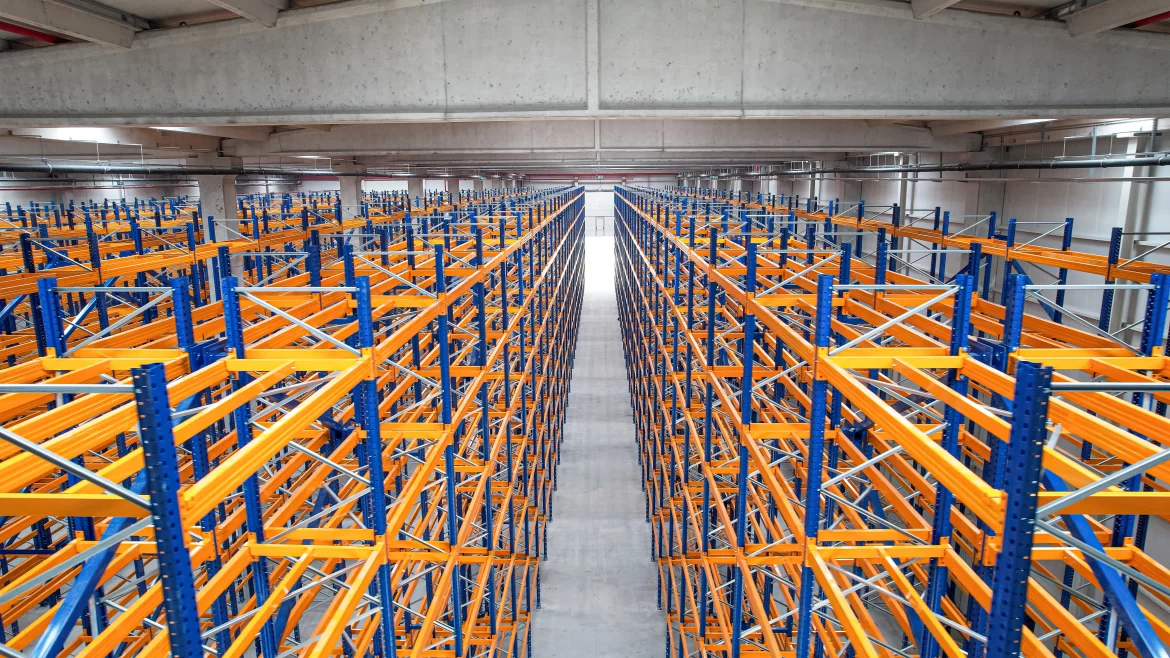
Reading capacity in warehouse planning only through square meters (m²) is an expensive habit, especially in growing warehouses. m² shows how much floor area you have. However, what really increases value in a warehouse is volume, which includes height. In other words, cubic meters (m³). This perspective does not only mean “more storage.” When you

When setting up a warehouse (depo), one of the first questions is usually: “How many kilos can this rack carry?” It’s an important question, but it doesn’t prevent the most common real-world problems on its own. A warehouse racking system doesn’t only carry weight. It also has to withstand daily handling effects such as minor

Warehouse budgeting is the process of planning, monitoring, and controlling all expenses and investments related to a company’s warehousing activities in advance. This process enables businesses to use their resources efficiently, anticipate their costs, and minimize potential financial risks Warehouse management includes many expense items such as rent, personnel, energy, equipment, maintenance, security, and inventory
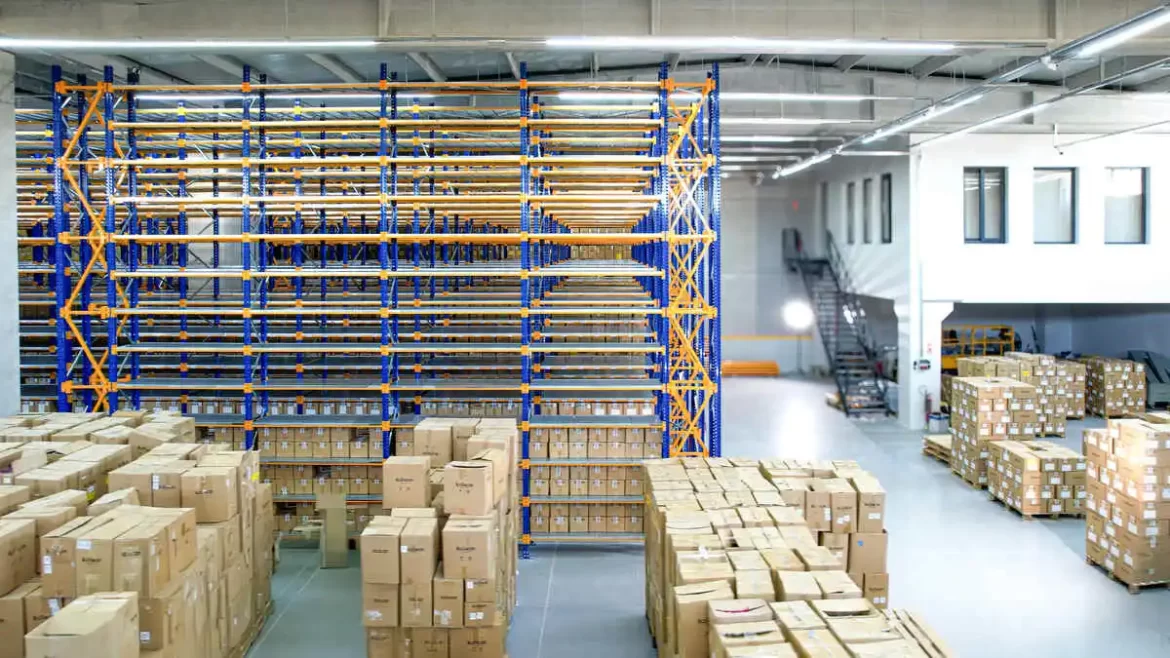
In most businesses, the warehouse is seen merely as “the place where products sit.” However, a properly designed warehouse structure directly determines the speed of your supply chain, your costs, your inventory accuracy, and your customer satisfaction. Therefore, the question “What are the types of warehouses?” is not just a theoretical one; it is a
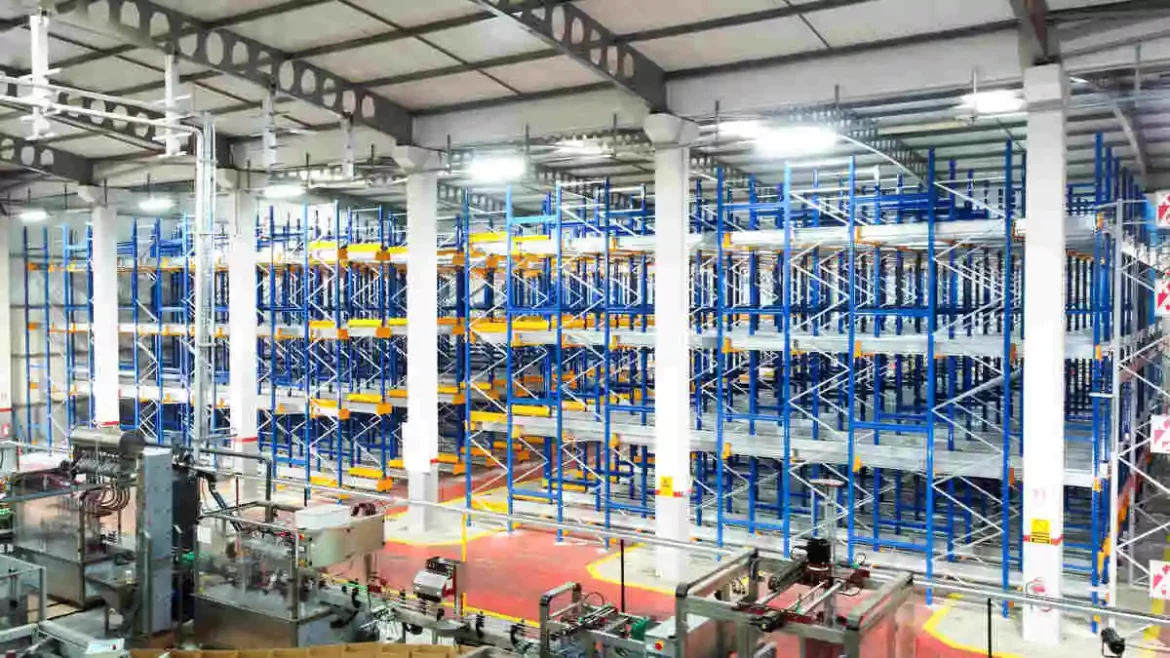
Earthquake safety in warehouse racking systems is not only a regulatory requirement, business continuity, and brand reputation. It is possible to significantly reduce risks such as racks toppling over, products being damaged, employees being injured, or operations coming to a complete halt with a correctly designed and properly used system. When designing your warehouse, evaluating

Producing or procuring your products alone is not enough. The real issue is being able to deliver those products to the right customer, at the right time, in the right way. This is exactly where logistics warehousing comes into play. Logistics warehousing is the planned and controlled execution of the entire process from the acceptance
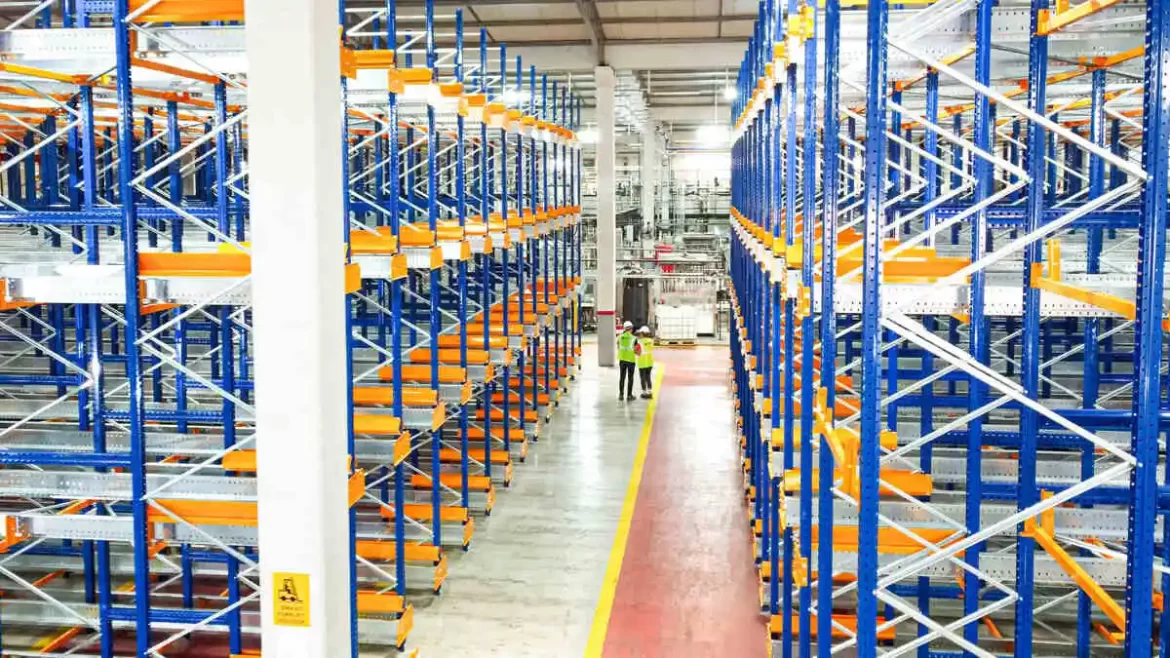
In today’s highly competitive logistics and supply chain world, managing warehouse operations with manual methods is becoming both risky and costly. Problems such as inaccurate stock visibility, delayed shipments, and increasing return rates directly affect both customer satisfaction and profitability. At exactly this point, Warehouse Management Systems (WMS) come into play. With a properly designed
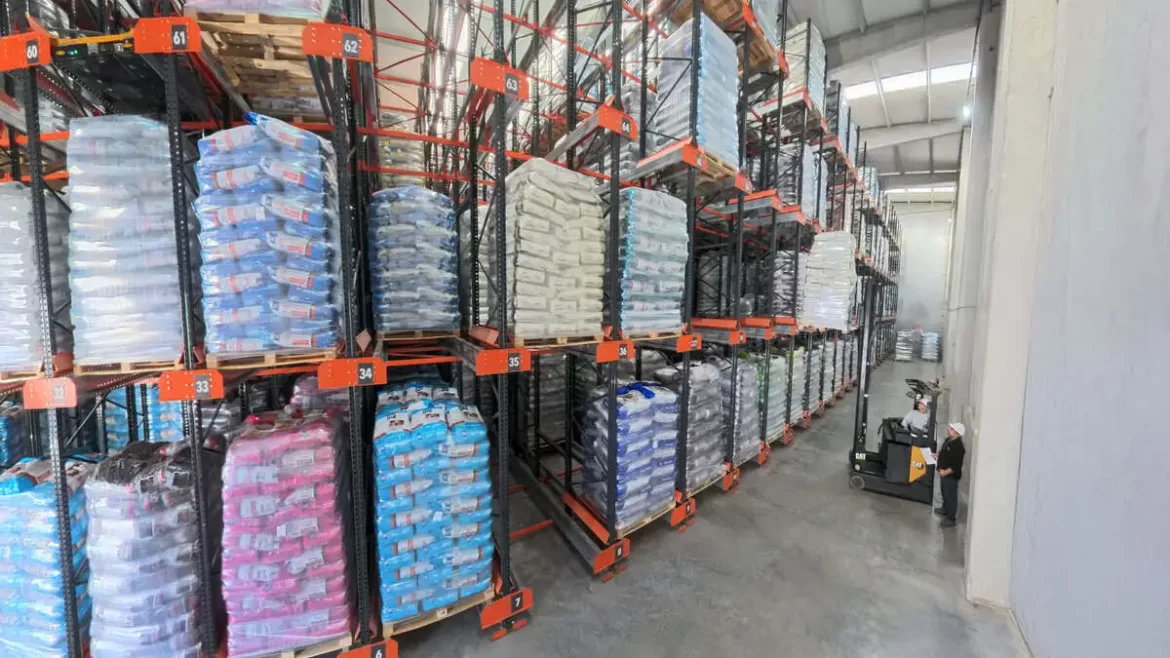
Heavy-duty warehouse racking systems are industrial shelving solutions designed for the safe and efficient storage of products with high load capacities. These systems offer major advantages for businesses that maintain large inventories, work with palletized products, or need to store heavy and bulky materials in an organized manner. Proper planning of storage areas has many
- 1
- 2