
Smart Warehouse Automation: Inventory Management with Industry 5.0
Smart Warehouse Automation: Inventory Management with Industry 5.0
Smart Warehouse Automation: Inventory Management with Industry 5.0
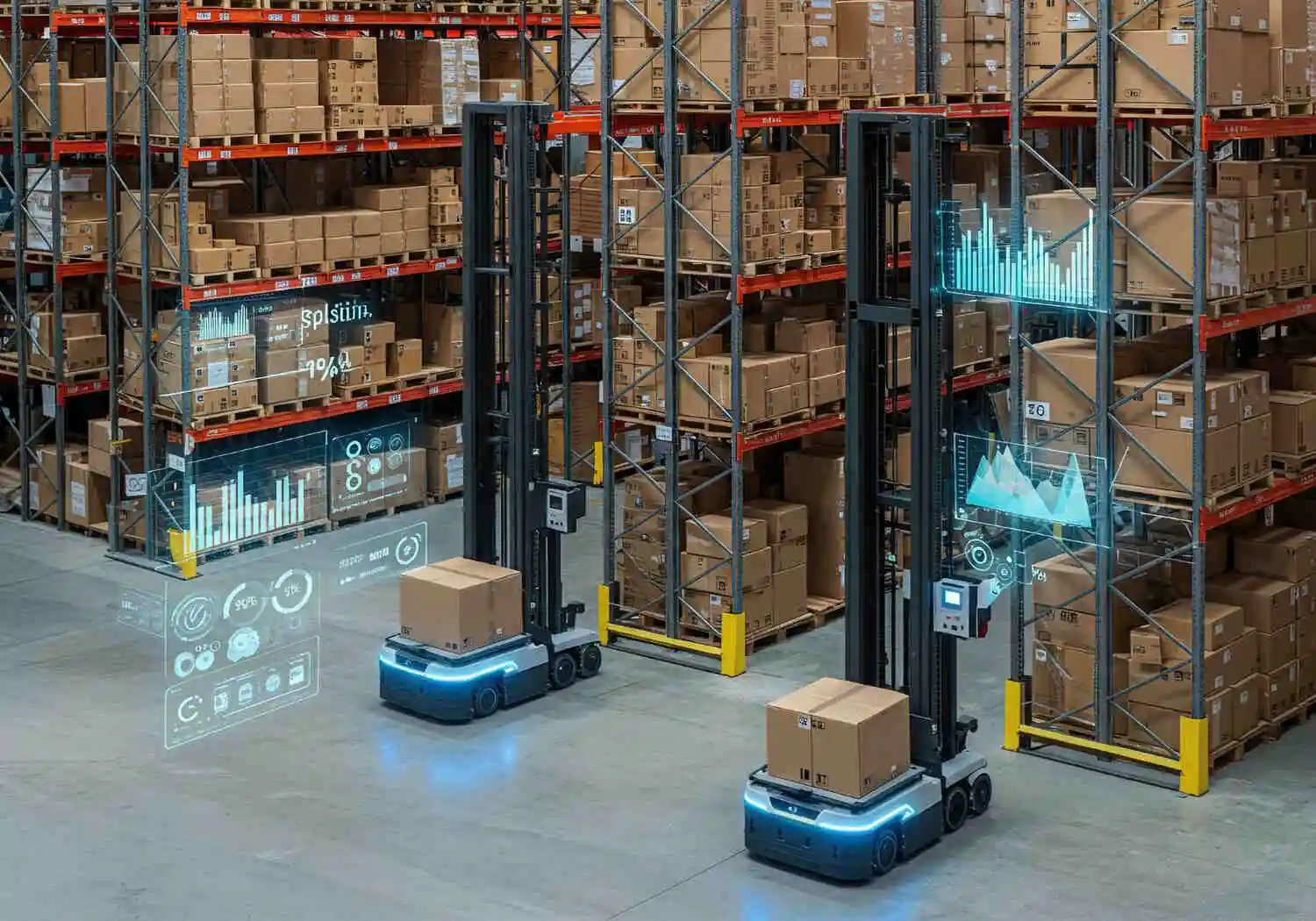
Smart warehouse automation brings people, data, and autonomous systems together in the same structure through Industry 5.0. In this content, you can examine how sensor infrastructure, robotics technologies, AI-supported inventory management, and integrated warehouse architecture add efficiency to operations.
Discover modern solutions that make stock management faster, more accurate, and efficient with smart warehouse automation and the Industry 5.0 approach.
Smart warehouse automation brings people, data, and autonomous systems together in the same structure through Industry 5.0. In this content, you can examine how sensor infrastructure, robotics technologies, AI-supported inventory management, and integrated warehouse architecture add efficiency to operations.
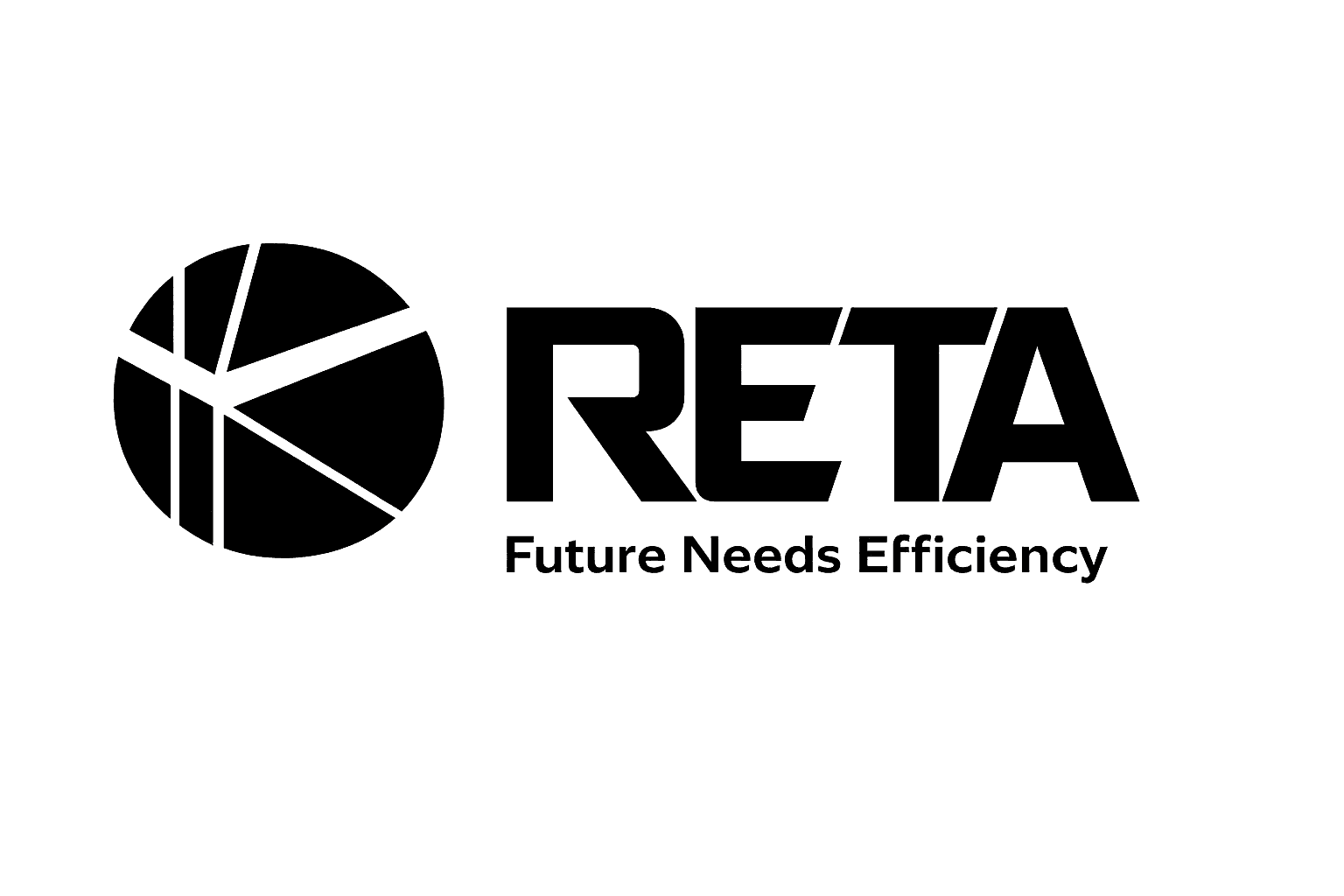
Smart warehouse automation has transformed into a field of engineering at the center of the entire production ecosystem, not just logistics processes, with the human-technology harmony brought by the Industry 5.0 approach. In this new era, warehouses are becoming self-managing operation centers with data processing layers, autonomous robot platforms, sensor fusion, AI-based decision mechanisms, and high integration capabilities. This transformation sets new standards in design, verification, and operation management for engineers, R&D teams, and production managers.
The New Paradigm That Industry 5.0 Brings to Smart Warehouses
Industry 5.0 aims not only to advance automation but to create adaptable and flexible ecosystems where humans and machines work together. Warehouse management is one of the areas where this transformation is most keenly felt. Processes such as stock movement, order flow, shipment sequencing, density analysis, and capacity planning are now turning into algorithmically optimized structures.
This approach requires the following capabilities in smart warehouses:
Real-time execution of human-machine coordination
Dynamic workflows adapting to the environment
Data-driven decision mechanisms
Designing autonomous robot behaviors compatible with human interaction
Predictive maintenance for uninterrupted operational continuity
Thanks to this structure, warehouse management achieves a context-aware, learnable, and adaptive framework, moving away from static rules.
Data Architecture and Sensor Ecosystem in Smart Warehouse Design
The success of smart warehouse automation depends on accurate data collection, reliable data transmission, and fast data processing capabilities. A multi-layered sensor ecosystem is required to digitally monitor all physical movements within the warehouse.
Technical Structure of Sensor Layers
Sensor groups used in warehouses are generally classified according to the following functions:
Positioning: Lidar, UWB tags, SLAM-based camera systems
Identification: RFID, barcode readers, UHF antennas
Environmental monitoring: Temperature, humidity, vibration
Weight management: Load-cell based rack or package weight sensors
Proximity sensing: ToF, ultrasonic sensors
These sensor data are transferred to the warehouse management system via high-bandwidth IoT networks. From an engineering perspective, critical aspects include eliminating sensor interference effects, standardizing communication protocols, and preserving data integrity.
Role of Edge Computing in Data Collection Infrastructure
Because some operations have low latency tolerance, data needs to be processed locally without going to the cloud. Therefore, edge devices in smart warehouses:
execute robot navigation decisions
run collision scenarios
monitor rack occupancy tracking
run sensor validation algorithms
locally. This structure reduces latency and also decreases the system's dependency on external connections.
Technical Aspect of Autonomous Mobile Robot Technologies
The most visible component of smart warehouse automation is autonomous mobile robots. These robots not only perform transportation; they have become systems that manage traffic flow, density analysis, and route optimization within the warehouse.
Navigation and Mapping
Fundamental technologies used for robot adaptation to the environment:
Lidar-based SLAM algorithms
Image-based depth perception
Multi-sensor fusion algorithms
Sequential route update systems
The positioning accuracy of the robots has approached millimeter levels. This accuracy is critical for operational safety, especially in narrow corridor structures.
Fleet Management Systems
For the efficient operation of robots, a central fleet management system is required. This system:
determines task priorities
prevents conflicts between robots
balances traffic
optimizes energy consumption
measures task completion times
This structure allows warehouse managers to monitor the operation in real-time. Shuttle rack technologies also work integrated with this robotic ecosystem, significantly increasing product transfer speed in high-density storage.
AI-Based Stock Optimization and Decision Models
Artificial intelligence has become one of the most critical components of smart warehouses. Stock movements need to be managed not only according to the current situation but also in response to potential demand fluctuations.
Application Areas of Predictive Models
Product-based stock cycle calculation
Safety stock optimization
Analysis of seasonal demand changes
Order density forecasting
Rack-based heat map creation
These models reduce stock costs while increasing rack efficiency.
Optimization Algorithms
Optimization methods used in warehouses:
Genetic algorithms
Linear programming
Particle swarm optimization
Deep reinforcement learning models
These methods optimize numerous processes, from product placement order on shelves to collection routes. When AI models work together with automated storage AS/RS racks, they create delay-free decision mechanisms in product placement and retrieval processes.
Digital Twin Technology and Simulation Infrastructure
The digital twin is a technology that reflects physical warehouse operations exactly in a virtual model.
With this technology:
Equipment layout is simulated
Robot traffic is analyzed
Capacity increase scenarios are tested
Bottlenecks in product flow are identified
Collection strategies are verified
Especially for R&D teams, the digital twin is a valuable tool that minimizes physical test costs. The digital twin structure allows modeling different operational scenarios of movable storage solutions such as a mobile rack system without the need for physical tests.
Integrated Warehouse Architecture: ERP, WMS, and Production Lines
Smart warehouses are not standalone systems. The key to success is integration architecture.
Technical Layers of Integration
Integration of orders, purchasing, and material flow with ERP
Space management, collection, shipment, and capacity analysis with WMS
Production line data sharing with MES
Sensor data collection with IoT layer
API-based communication layers
Edge-to-cloud synchronization
The seamless functioning of these integrations is of critical importance for operational efficiency.
Security, Risk Management, and Continuity in Smart Warehouse Automation
Security in smart warehouse automation should be considered an engineering standard.
Technical Security Structures
Collision prevention with lidar
Dynamic speed control zones
Independent emergency stop lines
Sensor-based equipment monitoring
Scaffolding, rack, and robot risk maps
Periodic maintenance algorithms
These systems ensure safe execution of human-robot interaction and reduce workforce risk.
Trends of Future Smart Warehouses
With Industry 5.0, it is expected that the following technologies will rapidly become widespread in warehouse automation:
5G-based low latency networks
Fully autonomous forklift systems
Inventory validation with drones
Product traceability based on blockchain
Deep learning models in decision support systems
Energy efficiency-focused smart infrastructures
Modular warehouse robots
Self-optimizing stock dynamics
These technologies further strengthen integration of smart warehouses with production, moving stock management towards full automation.
Smart warehouse automation is one of the most tangible application areas of the Industry 5.0 vision. Warehouse management is no longer merely mechanical processes; it is an advanced engineering system consisting of sensor clusters, data processing engines, autonomous robots, AI algorithms, and high integration capabilities. This new structure increases control for engineers, R&D teams, and production managers and makes operations more predictable, safe, and efficient.
Smart warehouse automation has transformed into a field of engineering at the center of the entire production ecosystem, not just logistics processes, with the human-technology harmony brought by the Industry 5.0 approach. In this new era, warehouses are becoming self-managing operation centers with data processing layers, autonomous robot platforms, sensor fusion, AI-based decision mechanisms, and high integration capabilities. This transformation sets new standards in design, verification, and operation management for engineers, R&D teams, and production managers.
The New Paradigm That Industry 5.0 Brings to Smart Warehouses
Industry 5.0 aims not only to advance automation but to create adaptable and flexible ecosystems where humans and machines work together. Warehouse management is one of the areas where this transformation is most keenly felt. Processes such as stock movement, order flow, shipment sequencing, density analysis, and capacity planning are now turning into algorithmically optimized structures.
This approach requires the following capabilities in smart warehouses:
Real-time execution of human-machine coordination
Dynamic workflows adapting to the environment
Data-driven decision mechanisms
Designing autonomous robot behaviors compatible with human interaction
Predictive maintenance for uninterrupted operational continuity
Thanks to this structure, warehouse management achieves a context-aware, learnable, and adaptive framework, moving away from static rules.
Data Architecture and Sensor Ecosystem in Smart Warehouse Design
The success of smart warehouse automation depends on accurate data collection, reliable data transmission, and fast data processing capabilities. A multi-layered sensor ecosystem is required to digitally monitor all physical movements within the warehouse.
Technical Structure of Sensor Layers
Sensor groups used in warehouses are generally classified according to the following functions:
Positioning: Lidar, UWB tags, SLAM-based camera systems
Identification: RFID, barcode readers, UHF antennas
Environmental monitoring: Temperature, humidity, vibration
Weight management: Load-cell based rack or package weight sensors
Proximity sensing: ToF, ultrasonic sensors
These sensor data are transferred to the warehouse management system via high-bandwidth IoT networks. From an engineering perspective, critical aspects include eliminating sensor interference effects, standardizing communication protocols, and preserving data integrity.
Role of Edge Computing in Data Collection Infrastructure
Because some operations have low latency tolerance, data needs to be processed locally without going to the cloud. Therefore, edge devices in smart warehouses:
execute robot navigation decisions
run collision scenarios
monitor rack occupancy tracking
run sensor validation algorithms
locally. This structure reduces latency and also decreases the system's dependency on external connections.
Technical Aspect of Autonomous Mobile Robot Technologies
The most visible component of smart warehouse automation is autonomous mobile robots. These robots not only perform transportation; they have become systems that manage traffic flow, density analysis, and route optimization within the warehouse.
Navigation and Mapping
Fundamental technologies used for robot adaptation to the environment:
Lidar-based SLAM algorithms
Image-based depth perception
Multi-sensor fusion algorithms
Sequential route update systems
The positioning accuracy of the robots has approached millimeter levels. This accuracy is critical for operational safety, especially in narrow corridor structures.
Fleet Management Systems
For the efficient operation of robots, a central fleet management system is required. This system:
determines task priorities
prevents conflicts between robots
balances traffic
optimizes energy consumption
measures task completion times
This structure allows warehouse managers to monitor the operation in real-time. Shuttle rack technologies also work integrated with this robotic ecosystem, significantly increasing product transfer speed in high-density storage.
AI-Based Stock Optimization and Decision Models
Artificial intelligence has become one of the most critical components of smart warehouses. Stock movements need to be managed not only according to the current situation but also in response to potential demand fluctuations.
Application Areas of Predictive Models
Product-based stock cycle calculation
Safety stock optimization
Analysis of seasonal demand changes
Order density forecasting
Rack-based heat map creation
These models reduce stock costs while increasing rack efficiency.
Optimization Algorithms
Optimization methods used in warehouses:
Genetic algorithms
Linear programming
Particle swarm optimization
Deep reinforcement learning models
These methods optimize numerous processes, from product placement order on shelves to collection routes. When AI models work together with automated storage AS/RS racks, they create delay-free decision mechanisms in product placement and retrieval processes.
Digital Twin Technology and Simulation Infrastructure
The digital twin is a technology that reflects physical warehouse operations exactly in a virtual model.
With this technology:
Equipment layout is simulated
Robot traffic is analyzed
Capacity increase scenarios are tested
Bottlenecks in product flow are identified
Collection strategies are verified
Especially for R&D teams, the digital twin is a valuable tool that minimizes physical test costs. The digital twin structure allows modeling different operational scenarios of movable storage solutions such as a mobile rack system without the need for physical tests.
Integrated Warehouse Architecture: ERP, WMS, and Production Lines
Smart warehouses are not standalone systems. The key to success is integration architecture.
Technical Layers of Integration
Integration of orders, purchasing, and material flow with ERP
Space management, collection, shipment, and capacity analysis with WMS
Production line data sharing with MES
Sensor data collection with IoT layer
API-based communication layers
Edge-to-cloud synchronization
The seamless functioning of these integrations is of critical importance for operational efficiency.
Security, Risk Management, and Continuity in Smart Warehouse Automation
Security in smart warehouse automation should be considered an engineering standard.
Technical Security Structures
Collision prevention with lidar
Dynamic speed control zones
Independent emergency stop lines
Sensor-based equipment monitoring
Scaffolding, rack, and robot risk maps
Periodic maintenance algorithms
These systems ensure safe execution of human-robot interaction and reduce workforce risk.
Trends of Future Smart Warehouses
With Industry 5.0, it is expected that the following technologies will rapidly become widespread in warehouse automation:
5G-based low latency networks
Fully autonomous forklift systems
Inventory validation with drones
Product traceability based on blockchain
Deep learning models in decision support systems
Energy efficiency-focused smart infrastructures
Modular warehouse robots
Self-optimizing stock dynamics
These technologies further strengthen integration of smart warehouses with production, moving stock management towards full automation.
Smart warehouse automation is one of the most tangible application areas of the Industry 5.0 vision. Warehouse management is no longer merely mechanical processes; it is an advanced engineering system consisting of sensor clusters, data processing engines, autonomous robots, AI algorithms, and high integration capabilities. This new structure increases control for engineers, R&D teams, and production managers and makes operations more predictable, safe, and efficient.
Frequently Asked Questions (FAQ) About Smart Warehouse Automation
Frequently Asked Questions (FAQ) About Smart Warehouse Automation
Frequently Asked Questions (FAQ) About Smart Warehouse Automation
What is Smart Warehouse Automation?
Smart warehouse automation is a system where sensors, autonomous robots, and AI-based software work together to manage inventory processes in real-time. Inventory tracking speeds up, error rates decrease, and in-warehouse workflow becomes more efficient.
How is Industry 5.0 Changing Warehouse Management?
How Autonomous Mobile Robots Increase Warehouse Efficiency?
In Which Areas Is Artificial Intelligence Used in Stock Management?
Which Software Does Smart Warehouse Systems Integrate With?

Contact
Do you want to receive more information? We have expert and reliable contact persons available for any questions, issues, and suggestions.
Reta Engineering Warehouse Racking Systems Industry and Trade Inc.
Address
Muradiye Organized Industrial Zone, 10th St. No: 30 Yunusemre / Manisa
info@retamuhendislik.com.tr