
What is the Smart Shelf System?
What is the Smart Shelf System?
What is the Smart Shelf System?
What is a smart shelf system, how does it work, and what advantages does it provide in the warehouse? Review the guide for inventory tracking and efficient warehouse management.
What is a smart shelf system, how does it work, and what advantages does it provide in the warehouse? Review the guide for inventory tracking and efficient warehouse management.
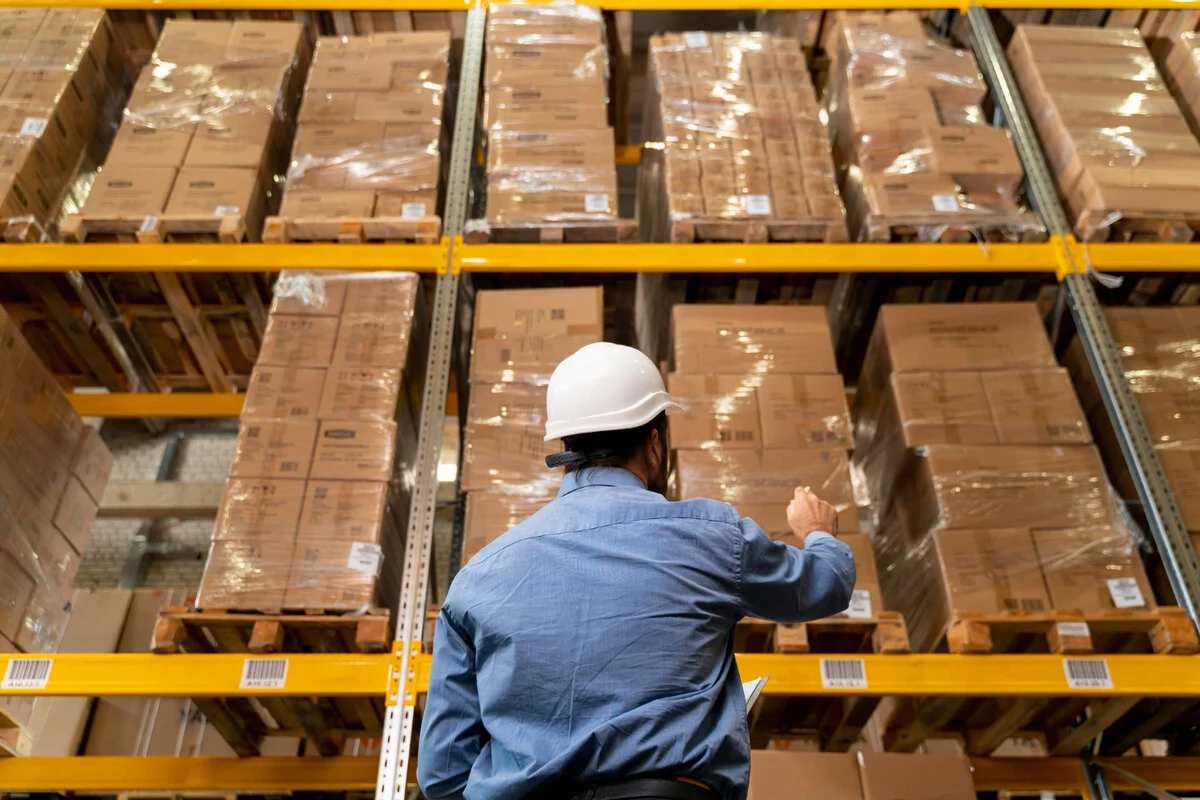
A smart rack system is an advanced storage solution that helps to digitally track the location, quantity, and movement of products in the warehouse. It offers a more controlled warehouse structure for businesses that need inventory accuracy, speed, and traceability.
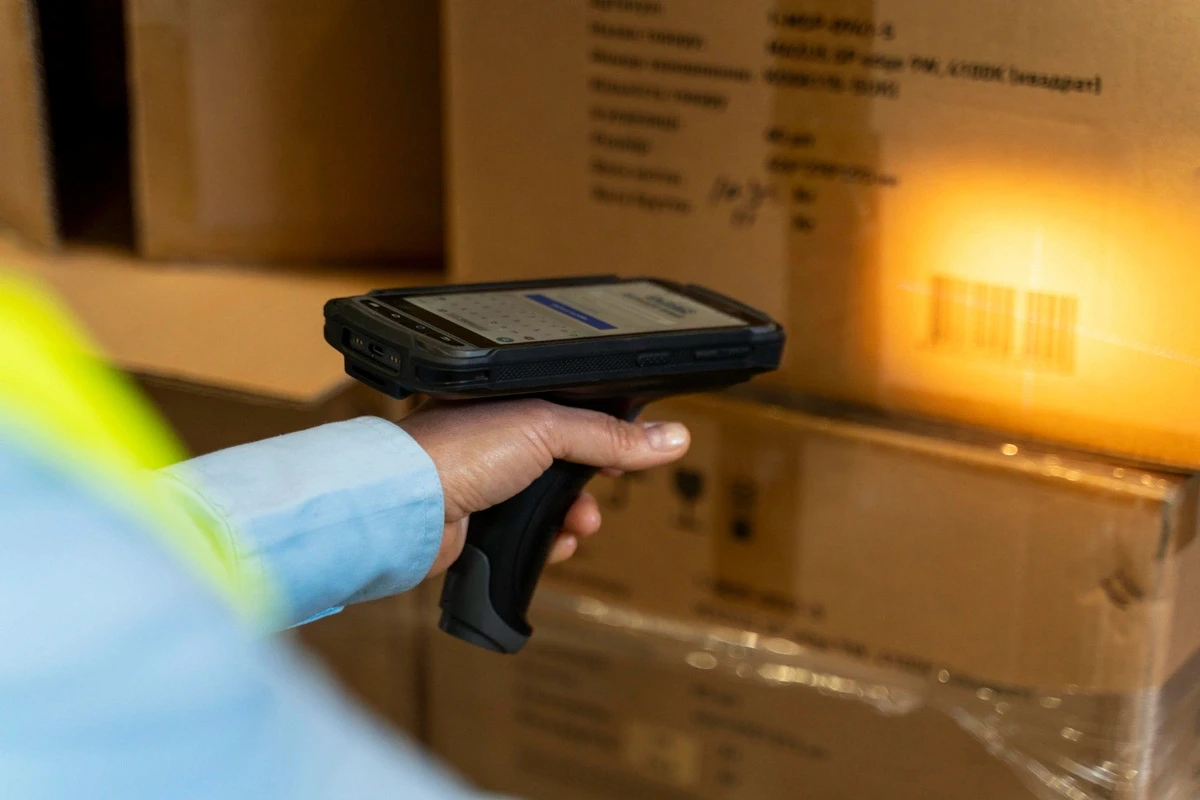
In traditional racks, stock tracking is mostly done by manual counting, barcode scanning, or operator control. The smart rack system, on the other hand, converts product movements into instant data with technologies such as sensors, RFID, barcodes, pick-to-light systems, and warehouse management software. Thus, the warehouse ceases to be just an area where products are placed; it turns into a system that can be measured and managed more efficiently.
How Does a Smart Rack System Work?
The smart rack system works with a layered structure that detects product movement and transfers this information to the software. When a product is placed on the rack, removed from the rack, or moved to a different location, the system records this movement. Thus, stock level, product location, and rack occupancy status can be monitored in a more up-to-date manner.
The working structure of the system consists of three main parts:
The detection layer detects product movement with sensors, RFID readers, barcode systems, or weight detection units located on rack compartments or pallet points.
The communication layer enables the collected data to be transferred to the warehouse management system via a wired or wireless network.
The software layer processes incoming data, updates stock levels, generates alerts, and helps with reporting.
For example, when an operator picks a product from the shelf, the system detects this movement. The stock quantity of the product is updated, location information changes, and an alert can be given if a critical level has occurred. If pick-to-light is used in order picking processes, the operator reaches the correct shelf slot faster.
What Are the Types of Smart Rack Systems?
A smart rack system does not consist of a single model. The product structure, warehouse height, inventory turnover rate, order volume, and automation target of the enterprise directly affect the system selection. For this reason, the right solution is determined by analyzing warehouse needs correctly rather than choosing a ready-made model.
System Type | Area of Use | Key Benefit |
Sensor-based rack system | Palletized or boxed product tracking | Provides occupancy and movement control |
RFID integrated rack system | Multi-product warehouses | Speeds up product identity and location tracking |
Pick to light system | Order picking areas | Reduces operator errors |
Shuttle rack system | Dense pallet storage | Increases space utilization |
Automated rack system | Highly automated warehouses | Provides speed and accuracy |
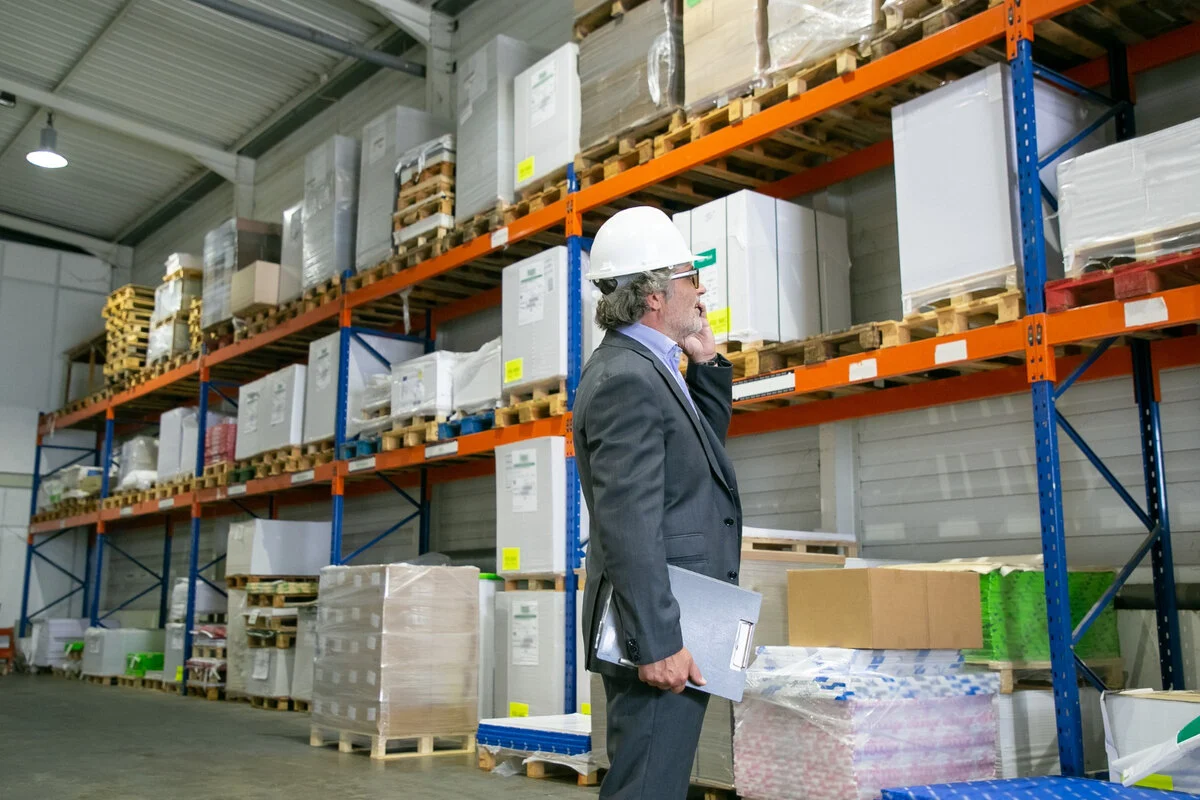
In warehouses with high palletized product input and output, pallet rack systems, when evaluated together with smart tracking infrastructure, help to monitor product movements more regularly. In areas where parcels, boxes, or small-volume products move frequently, carton flow rack systems can make order picking and product classification processes more practical.
For enterprises with a need for higher speed and automation, automated storage and retrieval AS/RS rack systems may stand out. However, the highest level of automation is not required for every warehouse. An unnecessarily complex system can prolong the return on investment period.

Where Are Smart Rack Systems Used?
Smart rack systems can be used in many industries where inventory accuracy and product traceability are important. It offers a powerful solution, especially for businesses with high product diversity, intense order traffic, and high error costs.
Main areas of use:
Logistics and distribution centers
Manufacturing facilities
E-commerce warehouses
Retail stock areas
Automotive and spare parts warehouses
Food and pharmaceutical warehouses
Technical material warehouses
Central warehouses with high SKU count
In manufacturing facilities, the smart rack system facilitates the tracking of raw materials and semi-finished products. It speeds up product entry and exit movements in logistics centers. In e-commerce warehouses, it contributes to the more accurate and faster preparation of a large number of small orders.
What Are the Advantages of Using a Smart Rack System?
A properly designed smart rack system does not only provide technological tracking. It also offers advantages in terms of inventory reliability, operational speed, space efficiency, and labor planning.
Key advantages of the smart rack system:
Increases inventory accuracy. Since product movements are tracked in real-time, manual counting errors are reduced.
Shortens order picking time. The operator reaches the correct product location faster.
Strengthens traceability. Product entry, exit, and relocation movements are recorded.
Improves space utilization. Since rack occupancy rates are seen more clearly, warehouse space can be used more efficiently.
Increases labor efficiency. Staff can complete more transactions with less movement.
Supports operational safety. Overloading, wrong placement, and critical stock errors can be noticed more easily.
For these advantages to turn into real value, the system must be scaled correctly. An unnecessarily low technology level may not meet the need; an unnecessarily high automation level may increase the cost.
What Is the Difference Between a Smart Rack System and a Traditional Rack System?
A traditional rack system focuses on safely carrying and regularly storing products. A smart rack system, on the other hand, monitors, manages, and reports products while carrying them. The fundamental difference between the two systems is how information is generated within the warehouse.
In traditional systems, stock tracking depends on operator control, counting discipline, and warehouse order. As warehouse density increases, the risk of error may increase. In a smart rack system, product movements are automatically detected and transferred to the software. In this way, stock information becomes more up-to-date, reliable, and easy to report.
In terms of initial investment cost, traditional rack systems may seem lower cost. However, stock errors, product search times, incorrect shipments, and labor losses can increase the total cost in the long run. A smart rack system, on the other hand, can balance the investment cost by providing operational efficiency under the right conditions.
What Should Be Considered When Choosing a Smart Rack System?
When investing in a smart rack system, looking only at the hardware cost is not enough. The long-term performance of the system should be evaluated together with project design, manufacturing quality, installation safety, software compatibility, and maintenance plan.
The following criteria should be considered in the decision-making process:
Product diversity and SKU count
Daily product input and output volume
Order picking density
Rack load capacity
Warehouse height and floor suitability
Use of forklifts or automated transport equipment
Need for WMS or ERP integration
Future capacity expansion plan
Investing in technology without clearly defining the current warehouse problem is one of the common mistakes. If the fundamental problem is stock accuracy, sensor and software integration may be prioritized. If there is a space shortage, dense storage solutions should be evaluated. If the order picking speed is low, pick-to-light or automatic guided systems may give more accurate results.
A smart rack system is an advanced storage solution that helps to digitally track the location, quantity, and movement of products in the warehouse. It offers a more controlled warehouse structure for businesses that need inventory accuracy, speed, and traceability.
In traditional racks, stock tracking is mostly done by manual counting, barcode scanning, or operator control. The smart rack system, on the other hand, converts product movements into instant data with technologies such as sensors, RFID, barcodes, pick-to-light systems, and warehouse management software. Thus, the warehouse ceases to be just an area where products are placed; it turns into a system that can be measured and managed more efficiently.
How Does a Smart Rack System Work?
The smart rack system works with a layered structure that detects product movement and transfers this information to the software. When a product is placed on the rack, removed from the rack, or moved to a different location, the system records this movement. Thus, stock level, product location, and rack occupancy status can be monitored in a more up-to-date manner.
The working structure of the system consists of three main parts:
The detection layer detects product movement with sensors, RFID readers, barcode systems, or weight detection units located on rack compartments or pallet points.
The communication layer enables the collected data to be transferred to the warehouse management system via a wired or wireless network.
The software layer processes incoming data, updates stock levels, generates alerts, and helps with reporting.
For example, when an operator picks a product from the shelf, the system detects this movement. The stock quantity of the product is updated, location information changes, and an alert can be given if a critical level has occurred. If pick-to-light is used in order picking processes, the operator reaches the correct shelf slot faster.
What Are the Types of Smart Rack Systems?
A smart rack system does not consist of a single model. The product structure, warehouse height, inventory turnover rate, order volume, and automation target of the enterprise directly affect the system selection. For this reason, the right solution is determined by analyzing warehouse needs correctly rather than choosing a ready-made model.
System Type | Area of Use | Key Benefit |
Sensor-based rack system | Palletized or boxed product tracking | Provides occupancy and movement control |
RFID integrated rack system | Multi-product warehouses | Speeds up product identity and location tracking |
Pick to light system | Order picking areas | Reduces operator errors |
Shuttle rack system | Dense pallet storage | Increases space utilization |
Automated rack system | Highly automated warehouses | Provides speed and accuracy |
In warehouses with high palletized product input and output, pallet rack systems, when evaluated together with smart tracking infrastructure, help to monitor product movements more regularly. In areas where parcels, boxes, or small-volume products move frequently, carton flow rack systems can make order picking and product classification processes more practical.
For enterprises with a need for higher speed and automation, automated storage and retrieval AS/RS rack systems may stand out. However, the highest level of automation is not required for every warehouse. An unnecessarily complex system can prolong the return on investment period.
Where Are Smart Rack Systems Used?
Smart rack systems can be used in many industries where inventory accuracy and product traceability are important. It offers a powerful solution, especially for businesses with high product diversity, intense order traffic, and high error costs.
Main areas of use:
Logistics and distribution centers
Manufacturing facilities
E-commerce warehouses
Retail stock areas
Automotive and spare parts warehouses
Food and pharmaceutical warehouses
Technical material warehouses
Central warehouses with high SKU count
In manufacturing facilities, the smart rack system facilitates the tracking of raw materials and semi-finished products. It speeds up product entry and exit movements in logistics centers. In e-commerce warehouses, it contributes to the more accurate and faster preparation of a large number of small orders.
What Are the Advantages of Using a Smart Rack System?
A properly designed smart rack system does not only provide technological tracking. It also offers advantages in terms of inventory reliability, operational speed, space efficiency, and labor planning.
Key advantages of the smart rack system:
Increases inventory accuracy. Since product movements are tracked in real-time, manual counting errors are reduced.
Shortens order picking time. The operator reaches the correct product location faster.
Strengthens traceability. Product entry, exit, and relocation movements are recorded.
Improves space utilization. Since rack occupancy rates are seen more clearly, warehouse space can be used more efficiently.
Increases labor efficiency. Staff can complete more transactions with less movement.
Supports operational safety. Overloading, wrong placement, and critical stock errors can be noticed more easily.
For these advantages to turn into real value, the system must be scaled correctly. An unnecessarily low technology level may not meet the need; an unnecessarily high automation level may increase the cost.
What Is the Difference Between a Smart Rack System and a Traditional Rack System?
A traditional rack system focuses on safely carrying and regularly storing products. A smart rack system, on the other hand, monitors, manages, and reports products while carrying them. The fundamental difference between the two systems is how information is generated within the warehouse.
In traditional systems, stock tracking depends on operator control, counting discipline, and warehouse order. As warehouse density increases, the risk of error may increase. In a smart rack system, product movements are automatically detected and transferred to the software. In this way, stock information becomes more up-to-date, reliable, and easy to report.
In terms of initial investment cost, traditional rack systems may seem lower cost. However, stock errors, product search times, incorrect shipments, and labor losses can increase the total cost in the long run. A smart rack system, on the other hand, can balance the investment cost by providing operational efficiency under the right conditions.
What Should Be Considered When Choosing a Smart Rack System?
When investing in a smart rack system, looking only at the hardware cost is not enough. The long-term performance of the system should be evaluated together with project design, manufacturing quality, installation safety, software compatibility, and maintenance plan.
The following criteria should be considered in the decision-making process:
Product diversity and SKU count
Daily product input and output volume
Order picking density
Rack load capacity
Warehouse height and floor suitability
Use of forklifts or automated transport equipment
Need for WMS or ERP integration
Future capacity expansion plan
Investing in technology without clearly defining the current warehouse problem is one of the common mistakes. If the fundamental problem is stock accuracy, sensor and software integration may be prioritized. If there is a space shortage, dense storage solutions should be evaluated. If the order picking speed is low, pick-to-light or automatic guided systems may give more accurate results.
Frequently Asked Questions (FAQ) About the Smart Shelf System
Frequently Asked Questions (FAQ) About the Smart Shelf System
Frequently Asked Questions (FAQ) About the Smart Shelf System
Can the smart rack system be applied to every warehouse?
The smart rack system can be adapted to many warehouses; however, the same solution is not right for every warehouse. Product type, warehouse height, rack carrying capacity, floor structure, and daily operation intensity must be analyzed.
Can the smart shelf system be integrated into existing shelves?
What does the investment cost of a smart shelf system depend on?
Does the smart shelf system require maintenance?
Does the smart shelf system reduce order errors?


Contact
Do you want to receive more information? We have expert and reliable contact persons available for any questions, issues, and suggestions.
Reta Engineering Warehouse Racking Systems Industry and Trade Inc.
Address
Muradiye Organized Industrial Zone, 10th St. No: 30 Yunusemre / Manisa
info@retamuhendislik.com.tr