
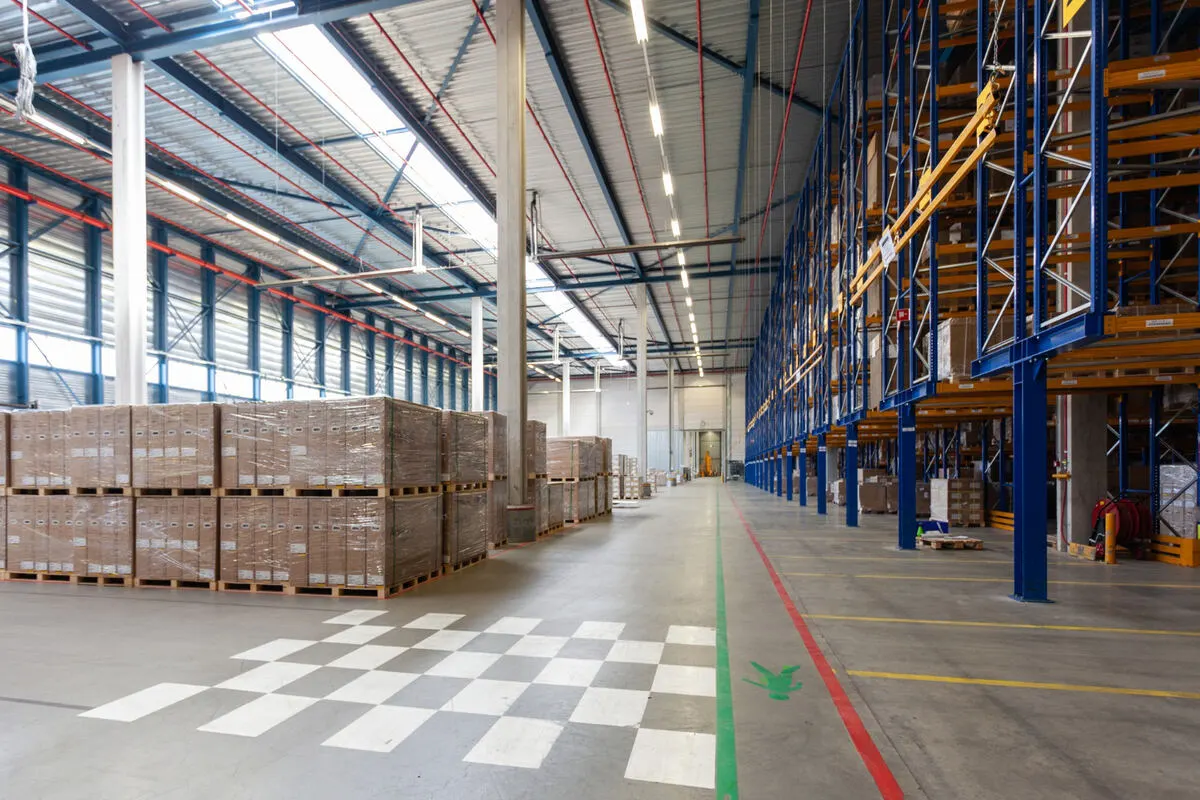
What is a Warehouse?
What is a Warehouse?
What is a Warehouse?
A warehouse is an area where raw materials, semi-finished goods, and products are systematically stored, recorded, and transferred for shipment when necessary. It differs from a depot in its operational purpose, and from a bonded warehouse in its legal status. Proper management relies on addressing, inventory counting, layout, and the selection of an appropriate racking system.
What is a warehouse, and what is its difference from a depot and a bonded warehouse? Warehouse types, warehouse management steps, and choosing the right shelving system are explained in this guide.
A warehouse is an area where raw materials, semi-finished goods, and products are systematically stored, recorded, and transferred for shipment when necessary. It differs from a depot in its operational purpose, and from a bonded warehouse in its legal status. Proper management relies on addressing, inventory counting, layout, and the selection of an appropriate racking system.
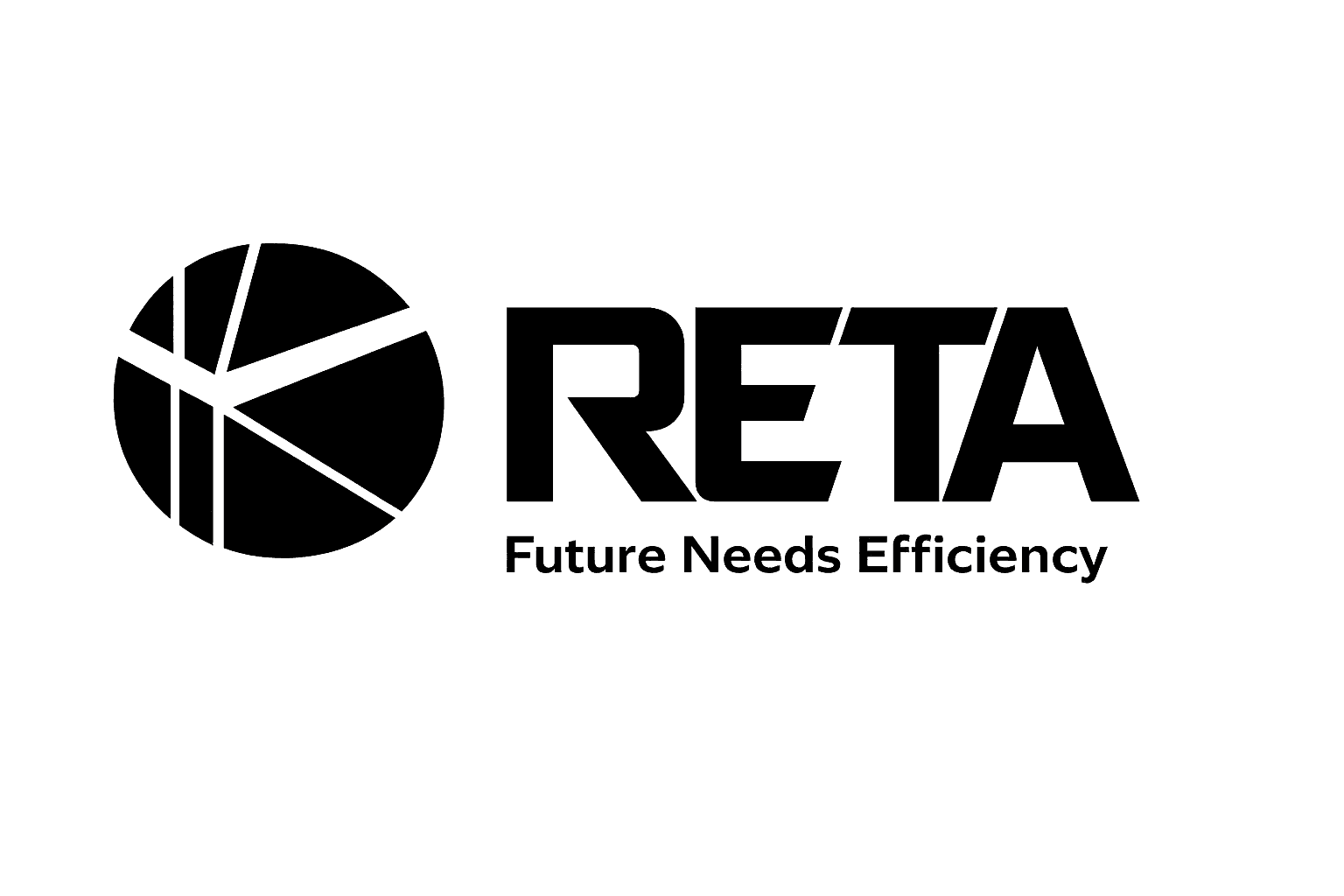
A storehouse is a closed storage area where raw materials, semi-finished goods, and finished products are systematically kept. In this area, products are not only protected; they are registered, classified, and transferred to production or shipment when necessary.
The history of the word is based on agricultural storage structures. Grain and dry food storehouses are the first examples of today's industrial structures. Today, these areas form the physical center of inventory management.
What is the Difference Between a Storehouse and a Warehouse?
The difference between a storehouse and a warehouse emerges not in the size of the area, but in its purpose of use. A storehouse is an internal storage area that feeds the enterprise's own production or operation.
A warehouse, on the other hand, is a more comprehensive structure where products are collected, sorted, and prepared for distribution. Daily entry and exit movement is much more intense in this structure.
Comparison | Storehouse | Warehouse |
|---|---|---|
Primary purpose | Preservation and registration of materials | Collection and preparation of products for distribution |
Product circulation | Lower, dispatched according to need | Higher, daily movement is intense |
Operational focus | Stock accuracy and storage conditions | Order preparation and shipment speed |
Typical scale | A department or building within the enterprise | Independent logistics facility |
Layout structure | Fixed and compact layout | Aisled, high-reach layout |
In practice, the two concepts are often used interchangeably. In small-scale enterprises, the same area can function as both a storehouse and a warehouse. The distinction becomes clear by looking at which process the area feeds.
What Are the Types of Storehouses?
Storehouse types are divided according to the nature of the stored product and its position in the production flow. This classification directly affects both the shelf layout and the counting method.
Raw Material Storehouse: The area where raw materials to be used in production are kept waiting.
Semi-Finished Goods Storehouse: Houses products that have been processed but are not yet completed.
Finished Goods Storehouse: The section where finished products ready for shipment are collected.
Spare Parts Storehouse: Stores critical parts for maintenance and service processes.
Cold Chain Storehouse: Established for product groups requiring temperature control.
Consumables Storehouse: Organizes small items consumed in daily operations.
Some enterprises compartmentalize all of these types under a single roof. When separate areas cannot be established, boundaries are drawn with shelf blocks and address codes.
What is the Difference Between a Storehouse and a Bonded Warehouse?
A bonded warehouse is an area with legal status where goods under customs supervision are kept before duties are paid. A storehouse does not carry such status and stores the enterprise's own goods.
Comparison | Storehouse | Bonded Warehouse |
|---|---|---|
Legal status | Private business area | Area subject to customs legislation |
Supervision | Enterprise's own control | Supervision of the customs administration |
Tax and customs | Process is completed | Deferred until exit |
Stored goods | Products belonging to the enterprise | Goods in the import or export process |
Permit requirement | No separate permit is required | Official permit is mandatory for opening |
Technically, both areas can be set up with similar shelving systems. The difference lies not in the structure itself, but in the legal status of the goods within it.
How is Storehouse Management Done?
Storehouse management is carried out by executing entry, addressing, counting, and exit steps through a single registration system. When one of the steps is skipped, inventory accuracy quickly deteriorates.
The processes of moving, placing, and reorganizing products when necessary are called handling. The order in which these operations are carried out directly determines the efficiency of the area.
Entry Acceptance: The incoming product is checked in terms of quantity and quality, and registered.
Addressing: A unique code is given to each shelf slot, and the product is linked to this code.
Layout Planning: Fast-moving items are moved to areas close to the exit gate.
Counting Cycle: Partial counts are made at certain intervals, and discrepancy records are examined.
Exit and Shipment: The requested product is collected and removed from the area accompanied by documents.
Performance Tracking: Counting discrepancies, occupancy rate, and collection time are regularly measured.
The registration system can also be set up on paper. However, as the number of product items increases, manual tracking quickly escalates the margin of error.
How to Choose the Right Shelving System for a Storehouse?
The right shelving system is selected by evaluating the weight of the product, the handling method, and the circulation speed together. A single solution does not yield suitable results for every area.
In areas working with palletized units, pallet racking systems stand out. Under this heading, shuttle, drive-in, narrow aisle, and mobile solutions are included. The choice is made based on the balance between the number of pallets and the need for access.
In areas where products are collected on a parcel and box basis, carton flow and box handling racks establish a more suitable structure. This group accelerates operations in departments where manual picking is intense.
In sections where small parts are picked by hand, light duty racks offer an economical solution. Thanks to its modular structure, it can be expanded as the need increases. It is widely preferred in automotive, textile, electronics, and archive fields.
Before making a selection, column spacing, ceiling height, and floor load capacity are measured. When determining shelf height, the reach limit of the forklift or stacker is taken as the basis.
A storehouse is a closed storage area where raw materials, semi-finished goods, and finished products are systematically kept. In this area, products are not only protected; they are registered, classified, and transferred to production or shipment when necessary.
The history of the word is based on agricultural storage structures. Grain and dry food storehouses are the first examples of today's industrial structures. Today, these areas form the physical center of inventory management.
What is the Difference Between a Storehouse and a Warehouse?
The difference between a storehouse and a warehouse emerges not in the size of the area, but in its purpose of use. A storehouse is an internal storage area that feeds the enterprise's own production or operation.
A warehouse, on the other hand, is a more comprehensive structure where products are collected, sorted, and prepared for distribution. Daily entry and exit movement is much more intense in this structure.
Comparison | Storehouse | Warehouse |
|---|---|---|
Primary purpose | Preservation and registration of materials | Collection and preparation of products for distribution |
Product circulation | Lower, dispatched according to need | Higher, daily movement is intense |
Operational focus | Stock accuracy and storage conditions | Order preparation and shipment speed |
Typical scale | A department or building within the enterprise | Independent logistics facility |
Layout structure | Fixed and compact layout | Aisled, high-reach layout |
In practice, the two concepts are often used interchangeably. In small-scale enterprises, the same area can function as both a storehouse and a warehouse. The distinction becomes clear by looking at which process the area feeds.
What Are the Types of Storehouses?
Storehouse types are divided according to the nature of the stored product and its position in the production flow. This classification directly affects both the shelf layout and the counting method.
Raw Material Storehouse: The area where raw materials to be used in production are kept waiting.
Semi-Finished Goods Storehouse: Houses products that have been processed but are not yet completed.
Finished Goods Storehouse: The section where finished products ready for shipment are collected.
Spare Parts Storehouse: Stores critical parts for maintenance and service processes.
Cold Chain Storehouse: Established for product groups requiring temperature control.
Consumables Storehouse: Organizes small items consumed in daily operations.
Some enterprises compartmentalize all of these types under a single roof. When separate areas cannot be established, boundaries are drawn with shelf blocks and address codes.
What is the Difference Between a Storehouse and a Bonded Warehouse?
A bonded warehouse is an area with legal status where goods under customs supervision are kept before duties are paid. A storehouse does not carry such status and stores the enterprise's own goods.
Comparison | Storehouse | Bonded Warehouse |
|---|---|---|
Legal status | Private business area | Area subject to customs legislation |
Supervision | Enterprise's own control | Supervision of the customs administration |
Tax and customs | Process is completed | Deferred until exit |
Stored goods | Products belonging to the enterprise | Goods in the import or export process |
Permit requirement | No separate permit is required | Official permit is mandatory for opening |
Technically, both areas can be set up with similar shelving systems. The difference lies not in the structure itself, but in the legal status of the goods within it.
How is Storehouse Management Done?
Storehouse management is carried out by executing entry, addressing, counting, and exit steps through a single registration system. When one of the steps is skipped, inventory accuracy quickly deteriorates.
The processes of moving, placing, and reorganizing products when necessary are called handling. The order in which these operations are carried out directly determines the efficiency of the area.
Entry Acceptance: The incoming product is checked in terms of quantity and quality, and registered.
Addressing: A unique code is given to each shelf slot, and the product is linked to this code.
Layout Planning: Fast-moving items are moved to areas close to the exit gate.
Counting Cycle: Partial counts are made at certain intervals, and discrepancy records are examined.
Exit and Shipment: The requested product is collected and removed from the area accompanied by documents.
Performance Tracking: Counting discrepancies, occupancy rate, and collection time are regularly measured.
The registration system can also be set up on paper. However, as the number of product items increases, manual tracking quickly escalates the margin of error.
How to Choose the Right Shelving System for a Storehouse?
The right shelving system is selected by evaluating the weight of the product, the handling method, and the circulation speed together. A single solution does not yield suitable results for every area.
In areas working with palletized units, pallet racking systems stand out. Under this heading, shuttle, drive-in, narrow aisle, and mobile solutions are included. The choice is made based on the balance between the number of pallets and the need for access.
In areas where products are collected on a parcel and box basis, carton flow and box handling racks establish a more suitable structure. This group accelerates operations in departments where manual picking is intense.
In sections where small parts are picked by hand, light duty racks offer an economical solution. Thanks to its modular structure, it can be expanded as the need increases. It is widely preferred in automotive, textile, electronics, and archive fields.
Before making a selection, column spacing, ceiling height, and floor load capacity are measured. When determining shelf height, the reach limit of the forklift or stacker is taken as the basis.
Frequently Asked Questions (FAQ) About Warehouse
Frequently Asked Questions (FAQ) About Warehouse
Frequently Asked Questions (FAQ) About Warehouse
What does a storekeeper do?
The warehouse clerk keeps records of materials entering and leaving the area. They count, label, and place products into shelf addresses. They prepare shipment documents and report missing or damaged items. The answer to what a warehouse clerk is, is the operational staff responsible for inventory accuracy.
How should a small business organize its warehouse?
How is warehouse planning done before the rack system is installed?
Which software are used in warehouse management?
How often is the warehouse inventory count performed?



Contact
Do you want to receive more information? We have expert and reliable contact persons available for any questions, issues, and suggestions.
Reta Engineering Warehouse Racking Systems Industry and Trade Inc.
Address
Muradiye Organized Industrial Zone, 10th St. No: 30 Yunusemre / Manisa
info@retamuhendislik.com.tr