
What is a Bonded Warehouse?
What is a Bonded Warehouse?
What is a Bonded Warehouse?
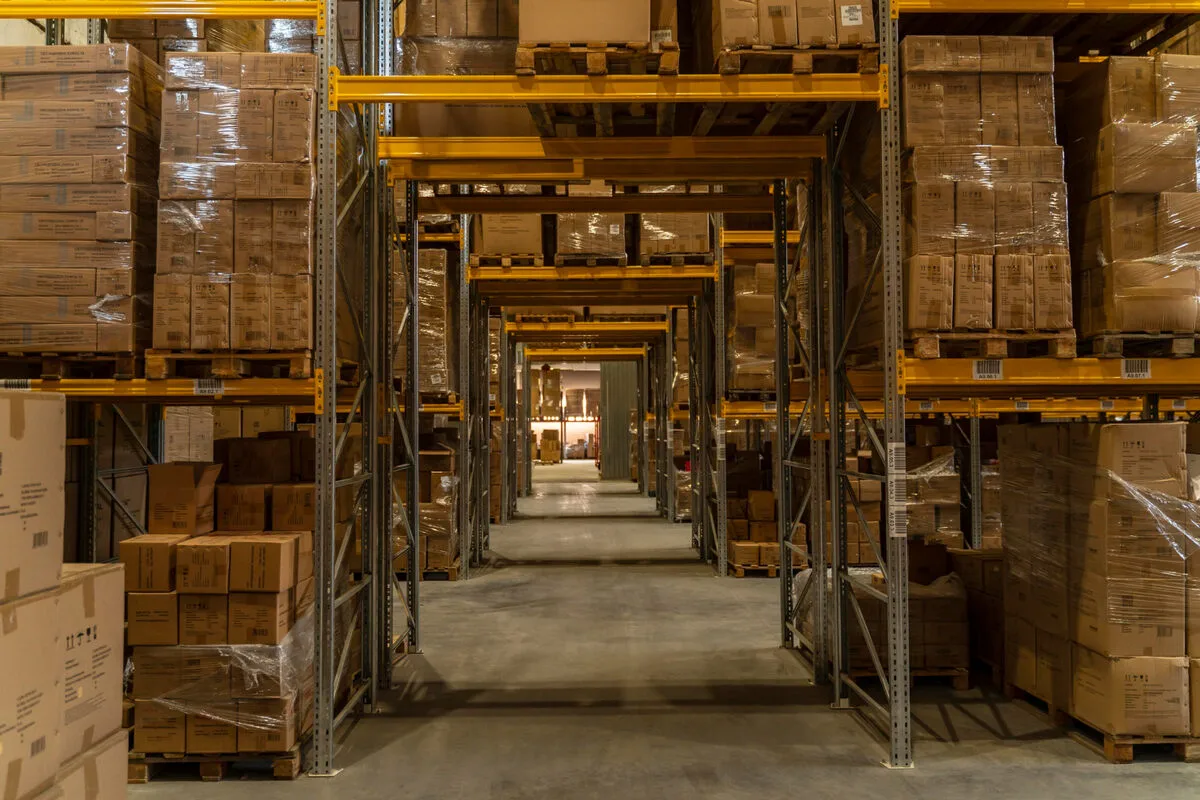
Bonded warehouse is a special status storage area where goods are kept under customs supervision without paying import duties. There are general and private types of bonded warehouses. It differs from a regular warehouse in its legal status; location, permit type, security, tracking system, and shelving infrastructure are important in choosing the right bonded warehouse.
What is a bonded warehouse, what is its difference from a warehouse, and what types are there? Customs processes, sectoral usage areas, and choosing the right bonded warehouse are in this article.
Bonded warehouse is a special status storage area where goods are kept under customs supervision without paying import duties. There are general and private types of bonded warehouses. It differs from a regular warehouse in its legal status; location, permit type, security, tracking system, and shelving infrastructure are important in choosing the right bonded warehouse.

A bonded warehouse is a storage place defined in customs legislation, permitted by the administration, and regularly inspected. The goods here are under customs supervision. All entry, exit, and stock movements are recorded.
In daily language, the answer to the question of what a bonded warehouse means is often given as "warehouse". Its counterpart in customs legislation is much narrower. Not every warehouse has this status, because the status depends on permission and inspection.
In order for an area to be used as a bonded warehouse, physical conditions must also be suitable. A structure with defined boundaries, secured, and auditable records is expected. The bonded warehouse regime is the name of the customs regime that regulates the keeping of goods in this status.
What is the Difference Between a Bonded Warehouse and a Regular Warehouse?
The basic difference between a bonded warehouse and a regular warehouse emerges in the customs status of the stored goods. The taxes on the product in the classic warehouse have been paid, and the product is in free circulation. Goods in a bonded warehouse, on the other hand, are legally considered not yet imported.
Criterion | Bonded Warehouse | Regular Warehouse |
|---|---|---|
Customs status | Goods under supervision, not in free circulation | Goods in free circulation |
Tax timing | At the time of exit from the regime | Paid before entry into the warehouse |
Permit requirement | Permission from the customs administration is mandatory | No separate customs permit is required |
Inspection | Regular counting and record inspection | Internal control of the business itself |
Freedom of action | Limited handling activities | Wide use including production |
This difference directly affects the setup of the operation. Stock management in a classic warehouse depends entirely on the decision of the business. In the bonded area, however, every movement must match the documentation.
What are the Types of Bonded Warehouses?
Bonded warehouses are divided into two as general and private, according to whose goods can be placed in them. Anyone can place goods in general ones. Private ones, on the other hand, are used only for the permit holder's own goods.
In general warehouses, a distinction is made between types A, B, and F. In type A, the responsibility arising from the stock and goods belongs to the operator. In type B, the responsibility is mainly on the owner of the goods. Type F is operated directly by the customs administration.
Private warehouses are classified as types C, D, and E. In type C, the operator and the user are the same person. Type D allows for importing through a simplified procedure. In type E, the permit holder's own facility can be accepted as the storage place.
Which type is suitable depends on the trade volume and the operational model. Since the type distinctions are determined by legislation, it is appropriate to check the current regulation before applying.
How Do Customs and Legal Processes Work in a Bonded Warehouse?
The process begins with the presentation of the goods to customs and becomes official with the registration of the declaration. Every movement is tracked through documentation. The difference between the records and the physical stock can be a reason for criminal sanctions.
When the goods reach the port or border gate, a summary declaration is submitted and unloading is performed.
In order to place the goods under the regime, a warehouse declaration is prepared and registered.
The product enters the area under customs supervision; it is recorded by comparing quantity, packaging, and documents.
During storage, only permitted handling operations can be performed.
Upon exit, the product either enters free circulation with an import declaration or is directed to a transit or export process.
As a rule, a strict upper time limit is not envisaged in the bonded warehouse regime. Nevertheless, the administration may determine a period in cases it deems necessary. It is possible to encounter shorter periods for perishable products.
In Which Sectors are Bonded Warehouses Used?
Bonded warehouses are preferred in sectors where imports are intense and stock turnover rates fluctuate. Automotive spare parts, textiles, electronics, and machinery trade lead this group. The common point is the possibility of the product waiting for a long time before being sold.
The prominent issue in the pharmaceutical, medical, and food sectors is conditioned storage. Temperature control, batch tracking, and expiration date management are carried out together with customs records.
E-commerce and retail distribution centers also benefit from this model. Order quantities are small, and the number of varieties is high. In these operations where piece-based picking is intense, box carton handling shelving systems provide the advantage of fast access.
For companies engaged in transit trade, the area is a transfer point. The product enters the country, waits without being cleared through customs, and is shipped to another market.
Points to Consider When Choosing the Right Bonded Warehouse
The right choice is made by evaluating location, permit type, and storage infrastructure together. A low price per square meter alone is a misleading criterion. The total cost emerges together with handling and waiting times.
Location and Access: Proximity to the port, border gate, and main road connections directly affects transportation costs.
Permit Type Compatibility: The operation model determines whether general or private status is required.
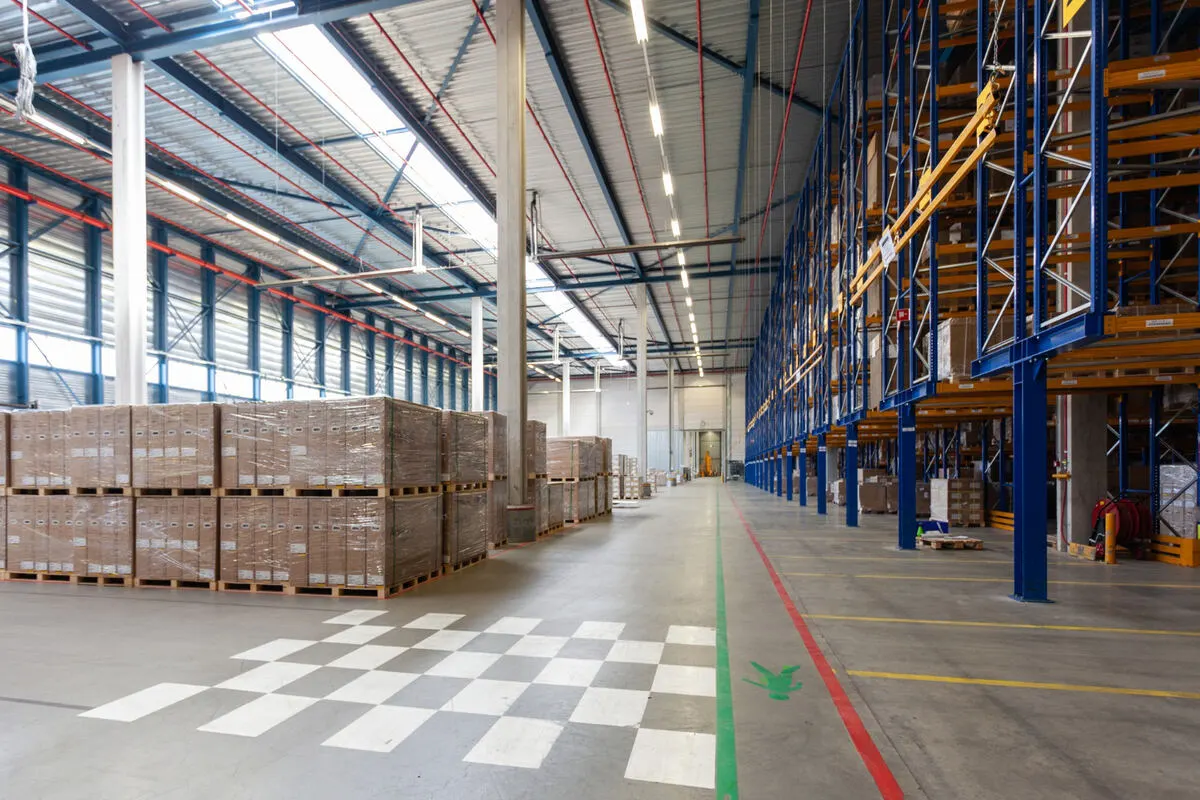
Storage Infrastructure: In palletized loads, pallet racking systems establish the balance between capacity and access.
Stock Tracking Software: A traceable system that matches customs records is essential.
Insurance and Collateral: Policy coverage and collateral conditions must be clarified in advance.
Capacity Flexibility: A structure that allows for area expansion during seasonal fluctuations provides an advantage.
A site visit is the most critical step of this evaluation. It is risky to make a decision without seeing the shelf height, aisle width, and floor load capacity on site.
Contributions of Bonded Warehouses to the Supply Chain and Logistics
The biggest contribution is the cash flow relief provided by bringing tax payments closer to the moment of sale. Capital does not remain tied up in the tax of unsold stock. This situation becomes decisive especially in imports with long supply times.
The second contribution is seen in delivery times. Since the product waits ready near the market, production or shipping is not awaited after the order.
The third contribution is operational flexibility. The same stock can be directed to different markets, and the export and import decisions can be made with a delay. In facilities with high turnover rates, automated storage AS/RS solutions reduce error rates and increase dispatch speed.
In these aspects, the bonded warehouse is not just a waiting area but one of the planning tools of the supply chain. When the right type, the right location, and the right racking infrastructure come together, bonded storage ceases to be a cost item and turns into a competitive advantage.
A bonded warehouse is a storage place defined in customs legislation, permitted by the administration, and regularly inspected. The goods here are under customs supervision. All entry, exit, and stock movements are recorded.
In daily language, the answer to the question of what a bonded warehouse means is often given as "warehouse". Its counterpart in customs legislation is much narrower. Not every warehouse has this status, because the status depends on permission and inspection.
In order for an area to be used as a bonded warehouse, physical conditions must also be suitable. A structure with defined boundaries, secured, and auditable records is expected. The bonded warehouse regime is the name of the customs regime that regulates the keeping of goods in this status.
What is the Difference Between a Bonded Warehouse and a Regular Warehouse?
The basic difference between a bonded warehouse and a regular warehouse emerges in the customs status of the stored goods. The taxes on the product in the classic warehouse have been paid, and the product is in free circulation. Goods in a bonded warehouse, on the other hand, are legally considered not yet imported.
Criterion | Bonded Warehouse | Regular Warehouse |
|---|---|---|
Customs status | Goods under supervision, not in free circulation | Goods in free circulation |
Tax timing | At the time of exit from the regime | Paid before entry into the warehouse |
Permit requirement | Permission from the customs administration is mandatory | No separate customs permit is required |
Inspection | Regular counting and record inspection | Internal control of the business itself |
Freedom of action | Limited handling activities | Wide use including production |
This difference directly affects the setup of the operation. Stock management in a classic warehouse depends entirely on the decision of the business. In the bonded area, however, every movement must match the documentation.
What are the Types of Bonded Warehouses?
Bonded warehouses are divided into two as general and private, according to whose goods can be placed in them. Anyone can place goods in general ones. Private ones, on the other hand, are used only for the permit holder's own goods.
In general warehouses, a distinction is made between types A, B, and F. In type A, the responsibility arising from the stock and goods belongs to the operator. In type B, the responsibility is mainly on the owner of the goods. Type F is operated directly by the customs administration.
Private warehouses are classified as types C, D, and E. In type C, the operator and the user are the same person. Type D allows for importing through a simplified procedure. In type E, the permit holder's own facility can be accepted as the storage place.
Which type is suitable depends on the trade volume and the operational model. Since the type distinctions are determined by legislation, it is appropriate to check the current regulation before applying.
How Do Customs and Legal Processes Work in a Bonded Warehouse?
The process begins with the presentation of the goods to customs and becomes official with the registration of the declaration. Every movement is tracked through documentation. The difference between the records and the physical stock can be a reason for criminal sanctions.
When the goods reach the port or border gate, a summary declaration is submitted and unloading is performed.
In order to place the goods under the regime, a warehouse declaration is prepared and registered.
The product enters the area under customs supervision; it is recorded by comparing quantity, packaging, and documents.
During storage, only permitted handling operations can be performed.
Upon exit, the product either enters free circulation with an import declaration or is directed to a transit or export process.
As a rule, a strict upper time limit is not envisaged in the bonded warehouse regime. Nevertheless, the administration may determine a period in cases it deems necessary. It is possible to encounter shorter periods for perishable products.
In Which Sectors are Bonded Warehouses Used?
Bonded warehouses are preferred in sectors where imports are intense and stock turnover rates fluctuate. Automotive spare parts, textiles, electronics, and machinery trade lead this group. The common point is the possibility of the product waiting for a long time before being sold.
The prominent issue in the pharmaceutical, medical, and food sectors is conditioned storage. Temperature control, batch tracking, and expiration date management are carried out together with customs records.
E-commerce and retail distribution centers also benefit from this model. Order quantities are small, and the number of varieties is high. In these operations where piece-based picking is intense, box carton handling shelving systems provide the advantage of fast access.
For companies engaged in transit trade, the area is a transfer point. The product enters the country, waits without being cleared through customs, and is shipped to another market.
Points to Consider When Choosing the Right Bonded Warehouse
The right choice is made by evaluating location, permit type, and storage infrastructure together. A low price per square meter alone is a misleading criterion. The total cost emerges together with handling and waiting times.
Location and Access: Proximity to the port, border gate, and main road connections directly affects transportation costs.
Permit Type Compatibility: The operation model determines whether general or private status is required.
Storage Infrastructure: In palletized loads, pallet racking systems establish the balance between capacity and access.
Stock Tracking Software: A traceable system that matches customs records is essential.
Insurance and Collateral: Policy coverage and collateral conditions must be clarified in advance.
Capacity Flexibility: A structure that allows for area expansion during seasonal fluctuations provides an advantage.
A site visit is the most critical step of this evaluation. It is risky to make a decision without seeing the shelf height, aisle width, and floor load capacity on site.
Contributions of Bonded Warehouses to the Supply Chain and Logistics
The biggest contribution is the cash flow relief provided by bringing tax payments closer to the moment of sale. Capital does not remain tied up in the tax of unsold stock. This situation becomes decisive especially in imports with long supply times.
The second contribution is seen in delivery times. Since the product waits ready near the market, production or shipping is not awaited after the order.
The third contribution is operational flexibility. The same stock can be directed to different markets, and the export and import decisions can be made with a delay. In facilities with high turnover rates, automated storage AS/RS solutions reduce error rates and increase dispatch speed.
In these aspects, the bonded warehouse is not just a waiting area but one of the planning tools of the supply chain. When the right type, the right location, and the right racking infrastructure come together, bonded storage ceases to be a cost item and turns into a competitive advantage.
Frequently Asked Questions (FAQ) About Bonded Warehouse
Frequently Asked Questions (FAQ) About Bonded Warehouse
Frequently Asked Questions (FAQ) About Bonded Warehouse
Which permits are required to open a bonded warehouse?
The authorization process begins with an application made to the authorized customs administration. The physical suitability of the facility, security and fire measures, the auditability of the recording system, and collateral conditions are examined. Usually, trade registry records, facility projects, and financial documents are requested in the application. Since the conditions are determined by legislation, the current regulation must be checked.
What is the difference between a bonded warehouse and a free trade zone?
How long can the storage period be in the warehouse?
What is a bonded warehouse declaration?
If there is loss or damage to the goods in the warehouse, who is liable?



Contact
Do you want to receive more information? We have expert and reliable contact persons available for any questions, issues, and suggestions.
Reta Engineering Warehouse Racking Systems Industry and Trade Inc.
Address
Muradiye Organized Industrial Zone, 10th St. No: 30 Yunusemre / Manisa
info@retamuhendislik.com.tr