
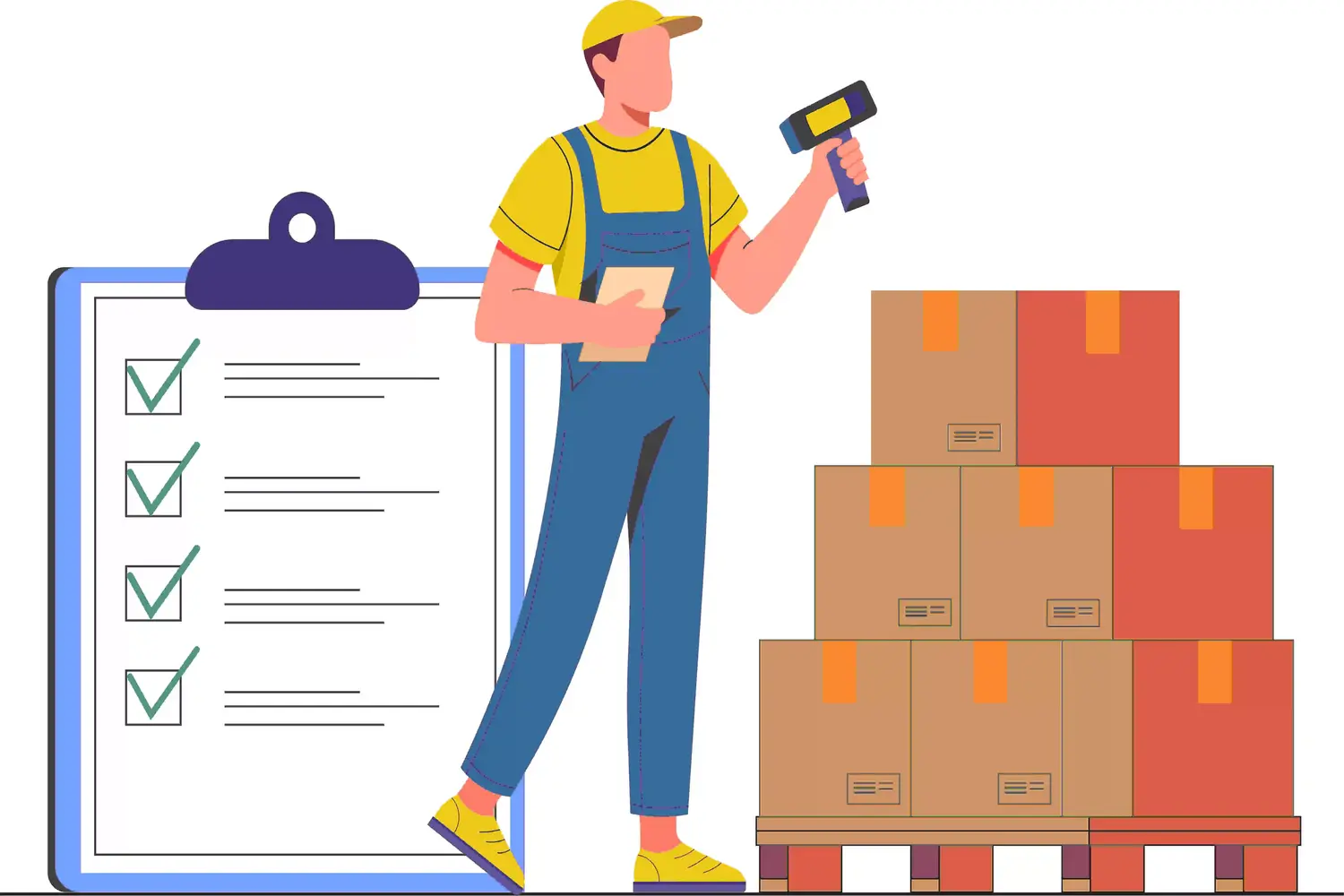
What is Handling?
What is Handling?
What is Handling?
Handling covers all processes of transporting, loading, unloading, stacking, and preparing products for shipment. In logistics, it increases efficiency, reduces costs, and ensures operational continuity with the right equipment, safety, and automation support.
What is handling, and what are its types? Gain comprehensive information about handling equipment, technologies, and key points to consider.
Handling covers all processes of transporting, loading, unloading, stacking, and preparing products for shipment. In logistics, it increases efficiency, reduces costs, and ensures operational continuity with the right equipment, safety, and automation support.

Handling is a term that encompasses all operations related to the movement, loading, unloading, stacking, packaging, or rearranging of products or loads from one place to another in the logistics sector. This concept includes not only physical transportation activities but also operational processes such as storage, protection, and preparation for shipment of products.
In simple terms, handling covers all the movement and arrangement operations carried out at each stage from when a product leaves the production line until it reaches the end-user. Therefore, handling is of critical importance for ensuring efficiency and continuity at every link of the supply chain.
Handling operations are typically carried out in three different areas: in production facilities, warehouses, and during transportation. Proper handling practices performed in these areas prevent product damage, reduce time losses, and help keep costs under control.
What Are the Types of Handling?
Handling operations are examined under three main headings according to the methods and technological level used: manual handling, mechanical handling, and automatic handling systems. Each is preferred according to the scale of businesses, product types, and operational needs.
Manual Handling
Manual handling encompasses transportation, lifting, loading, and unloading operations based on human power. It is preferred in small-scale businesses or where cautious handling of delicate products is required.
Although this method offers the advantage of low equipment cost, careful planning is required in terms of labor efficiency and worker health. Lack of proper training or the use of incorrect equipment can lead to work accidents and product damage.
Mechanical Handling
Mechanical handling is the method that involves the use of machines and equipment supporting or partially replacing human power. Forklifts, pallet trucks, cranes, conveyors, and lifting systems fall into this category.
This method enables the transport of large volumes of loads in a short time and securely. It contributes to the efficient use of storage areas, acceleration of operations, and reduction of labor costs. However, operator training and regular maintenance processes are important for the effective use of these systems.
Automatic Handling Systems
Automatic handling encompasses advanced technology solutions like robotic systems, sensors, artificial intelligence-supported transport lines, and autonomous vehicles. It is especially preferred in large logistics centers and e-commerce warehouses.
These systems minimize operational errors, provide speed and accuracy, and increase traceability with data analytics. Although the initial investment cost is high, it offers significant efficiency gains in the long term.
Handling Equipment and Technologies
The use of the right equipment and technologies is of great importance for conducting handling activities efficiently, safely, and sustainably. Evolving industry standards have accelerated businesses' transition from manual methods to automatic systems; this has increased both labor efficiency and operational accuracy.
Forklift, Pallet Truck, and Crane Systems
Traditional handling operations fundamentally rely on forklifts, pallet trucks, and crane systems. These pieces of equipment offer an effective solution especially for the transport of heavy or bulky loads.
Forklifts are the most frequently used vehicles for transporting and stacking palletized loads over short distances.
Pallet trucks are practical transport solutions suitable for smaller scale loads.
Crane systems are preferred for lifting heavy loads at high or hard-to-reach areas.
Regular maintenance of these pieces of equipment is of critical importance for occupational safety and continuity.
Conveyor and Transport Lines
Conveyor systems automate product flow particularly in production lines and large storage centers. They allow products to be moved from one point to another without human intervention, thereby reducing time loss. For different load types, belt, chain, or roller conveyors can be used.
RFID, Barcode, and Automation Solutions
In modern handling processes, digital technologies are as important as physical equipment.
RFID (Radio Frequency Identification) and barcode systems ensure the traceability of products.
Automation software facilitates inventory management and optimizes warehouse operations.
Thanks to these technologies, at which stage the products are can be tracked instantly, and potential errors in the process can be quickly identified.
Smart Warehouse and Robotic Systems
With Industry 4.0, handling technologies are being transformed with artificial intelligence, robotic systems, and sensor-based solutions. Autonomous guided vehicles (AGV), robotic arm systems, and artificial intelligence-supported warehouse management software have now become indispensable parts of modern logistics centers. These technologies minimize human error, increase operational speed, and maximize efficiency.
Considerations in Handling Processes
Handling is a process that requires direct interaction between humans, equipment, and products. Therefore, there are many factors to consider both in terms of occupational safety and operational efficiency.
Occupational Health and Safety Measures
During handling activities, workers may be exposed to intense physical workload. This situation increases the risk of musculoskeletal disorders and work accidents.
Therefore, businesses need to take the following measures:
Employers should regularly provide training on ergonomics and safe transport techniques.
Personal protective equipment (gloves, shoes, helmets, etc.) should be used during lifting and carrying.
Adequate lighting, floor layout, and safety signs should be provided in handling areas.
Weight limits of loads should be set, and overloading should be avoided.
Ergonomics and Worker Safety
Manual handling operations, especially in terms of worker health, must be properly planned. Taking goods from a height or carrying them improperly can lead to both work accidents and long-term health problems. Therefore, workstations should be designed to protect employees' body positions; movements required by the job should be supported as much as possible with mechanical or automatic systems.
Legal Requirements and Quality Standards
Handling activities are subject to national occupational health and safety regulations as well as international logistics standards. Compliance with standards like ISO 45001 (Occupational Health and Safety Management System) and ISO 9001 (Quality Management System) ensures both legal and operational safety for businesses. Furthermore, compliance with sector-specific regulations is mandatory in special areas like hazardous material transportation or food logistics.
Sustainable Logistics with Proper Handling
Handling is one of the invisible yet most critical elements of logistics and supply chain management. This process that allows the safe, fast, and economical movement of products is not only an operational necessity but also a strategic factor that creates a competitive advantage.
Thanks to proper handling practices, businesses can;
Reduce product losses and damage rates,
Increase worker safety,
Optimize operational costs,
Increase customer satisfaction by shortening delivery times.
With the rapid development of technology today, handling is no longer an activity solely based on human power. Automation systems, artificial intelligence-supported analyses, and robotic solutions have made the process more efficient and traceable. This transformation provides businesses with both sustainability and long-term cost advantage.
In conclusion, an effective handling strategy is possible with the combination of the right equipment selection, trained personnel, compliance with safety standards, and digitalization steps. Success in logistics is more about how you manage the movement of goods than the transport itself.
Handling is a term that encompasses all operations related to the movement, loading, unloading, stacking, packaging, or rearranging of products or loads from one place to another in the logistics sector. This concept includes not only physical transportation activities but also operational processes such as storage, protection, and preparation for shipment of products.
In simple terms, handling covers all the movement and arrangement operations carried out at each stage from when a product leaves the production line until it reaches the end-user. Therefore, handling is of critical importance for ensuring efficiency and continuity at every link of the supply chain.
Handling operations are typically carried out in three different areas: in production facilities, warehouses, and during transportation. Proper handling practices performed in these areas prevent product damage, reduce time losses, and help keep costs under control.
What Are the Types of Handling?
Handling operations are examined under three main headings according to the methods and technological level used: manual handling, mechanical handling, and automatic handling systems. Each is preferred according to the scale of businesses, product types, and operational needs.
Manual Handling
Manual handling encompasses transportation, lifting, loading, and unloading operations based on human power. It is preferred in small-scale businesses or where cautious handling of delicate products is required.
Although this method offers the advantage of low equipment cost, careful planning is required in terms of labor efficiency and worker health. Lack of proper training or the use of incorrect equipment can lead to work accidents and product damage.
Mechanical Handling
Mechanical handling is the method that involves the use of machines and equipment supporting or partially replacing human power. Forklifts, pallet trucks, cranes, conveyors, and lifting systems fall into this category.
This method enables the transport of large volumes of loads in a short time and securely. It contributes to the efficient use of storage areas, acceleration of operations, and reduction of labor costs. However, operator training and regular maintenance processes are important for the effective use of these systems.
Automatic Handling Systems
Automatic handling encompasses advanced technology solutions like robotic systems, sensors, artificial intelligence-supported transport lines, and autonomous vehicles. It is especially preferred in large logistics centers and e-commerce warehouses.
These systems minimize operational errors, provide speed and accuracy, and increase traceability with data analytics. Although the initial investment cost is high, it offers significant efficiency gains in the long term.
Handling Equipment and Technologies
The use of the right equipment and technologies is of great importance for conducting handling activities efficiently, safely, and sustainably. Evolving industry standards have accelerated businesses' transition from manual methods to automatic systems; this has increased both labor efficiency and operational accuracy.
Forklift, Pallet Truck, and Crane Systems
Traditional handling operations fundamentally rely on forklifts, pallet trucks, and crane systems. These pieces of equipment offer an effective solution especially for the transport of heavy or bulky loads.
Forklifts are the most frequently used vehicles for transporting and stacking palletized loads over short distances.
Pallet trucks are practical transport solutions suitable for smaller scale loads.
Crane systems are preferred for lifting heavy loads at high or hard-to-reach areas.
Regular maintenance of these pieces of equipment is of critical importance for occupational safety and continuity.
Conveyor and Transport Lines
Conveyor systems automate product flow particularly in production lines and large storage centers. They allow products to be moved from one point to another without human intervention, thereby reducing time loss. For different load types, belt, chain, or roller conveyors can be used.
RFID, Barcode, and Automation Solutions
In modern handling processes, digital technologies are as important as physical equipment.
RFID (Radio Frequency Identification) and barcode systems ensure the traceability of products.
Automation software facilitates inventory management and optimizes warehouse operations.
Thanks to these technologies, at which stage the products are can be tracked instantly, and potential errors in the process can be quickly identified.
Smart Warehouse and Robotic Systems
With Industry 4.0, handling technologies are being transformed with artificial intelligence, robotic systems, and sensor-based solutions. Autonomous guided vehicles (AGV), robotic arm systems, and artificial intelligence-supported warehouse management software have now become indispensable parts of modern logistics centers. These technologies minimize human error, increase operational speed, and maximize efficiency.
Considerations in Handling Processes
Handling is a process that requires direct interaction between humans, equipment, and products. Therefore, there are many factors to consider both in terms of occupational safety and operational efficiency.
Occupational Health and Safety Measures
During handling activities, workers may be exposed to intense physical workload. This situation increases the risk of musculoskeletal disorders and work accidents.
Therefore, businesses need to take the following measures:
Employers should regularly provide training on ergonomics and safe transport techniques.
Personal protective equipment (gloves, shoes, helmets, etc.) should be used during lifting and carrying.
Adequate lighting, floor layout, and safety signs should be provided in handling areas.
Weight limits of loads should be set, and overloading should be avoided.
Ergonomics and Worker Safety
Manual handling operations, especially in terms of worker health, must be properly planned. Taking goods from a height or carrying them improperly can lead to both work accidents and long-term health problems. Therefore, workstations should be designed to protect employees' body positions; movements required by the job should be supported as much as possible with mechanical or automatic systems.
Legal Requirements and Quality Standards
Handling activities are subject to national occupational health and safety regulations as well as international logistics standards. Compliance with standards like ISO 45001 (Occupational Health and Safety Management System) and ISO 9001 (Quality Management System) ensures both legal and operational safety for businesses. Furthermore, compliance with sector-specific regulations is mandatory in special areas like hazardous material transportation or food logistics.
Sustainable Logistics with Proper Handling
Handling is one of the invisible yet most critical elements of logistics and supply chain management. This process that allows the safe, fast, and economical movement of products is not only an operational necessity but also a strategic factor that creates a competitive advantage.
Thanks to proper handling practices, businesses can;
Reduce product losses and damage rates,
Increase worker safety,
Optimize operational costs,
Increase customer satisfaction by shortening delivery times.
With the rapid development of technology today, handling is no longer an activity solely based on human power. Automation systems, artificial intelligence-supported analyses, and robotic solutions have made the process more efficient and traceable. This transformation provides businesses with both sustainability and long-term cost advantage.
In conclusion, an effective handling strategy is possible with the combination of the right equipment selection, trained personnel, compliance with safety standards, and digitalization steps. Success in logistics is more about how you manage the movement of goods than the transport itself.
Frequently Asked Questions (FAQ) About Handling
Frequently Asked Questions (FAQ) About Handling
Frequently Asked Questions (FAQ) About Handling
What Determines the Handling Cost?
Handling cost varies depending on the weight, volume of the cargo, the complexity of the handling operation (manual/mechanical/automatic), required equipment, process duration, and labor costs. Additionally, additional operations such as storage duration, packaging, and rearrangement can increase the cost.
Is "Handling" the Same as "Storage"?
How Should Dangerous Loads Be Handled?
How is Handling Measured in Ports or Container Operations?
How Does Handling Time Affect Operations?

Contact
Do you want to receive more information? We have expert and reliable contact persons available for any questions, issues, and suggestions.
Reta Engineering Warehouse Racking Systems Industry and Trade Inc.
Address
Muradiye Organized Industrial Zone, 10th St. No: 30 Yunusemre / Manisa
info@retamuhendislik.com.tr