
What is Inventory?
What is Inventory?
What is Inventory?
Inventory is the counting and recording of an enterprise's assets in terms of quantity and value on a specific date. Its difference from stock is that its scope is broader. It is divided into types such as raw materials, finished products, and spare parts; the counting method and shelf organization directly determine the accuracy of the record.
What is inventory, how does it differ from stock, and how is an inventory count conducted? Inventory types, management process, and choosing the right shelving system are in this guide.
Inventory is the counting and recording of an enterprise's assets in terms of quantity and value on a specific date. Its difference from stock is that its scope is broader. It is divided into types such as raw materials, finished products, and spare parts; the counting method and shelf organization directly determine the accuracy of the record.

Inventory is the counting and recording of the assets that a business holds on a specific date, in terms of both quantity and value. Its scope is not limited only to products ready for sale. Raw materials, semi-finished goods, spare parts, and packaging materials are also included in this breakdown.
The term originates from accounting. It describes both the physical counting and the transformation of this count into a document. An asset that is not counted does not enter the inventory.
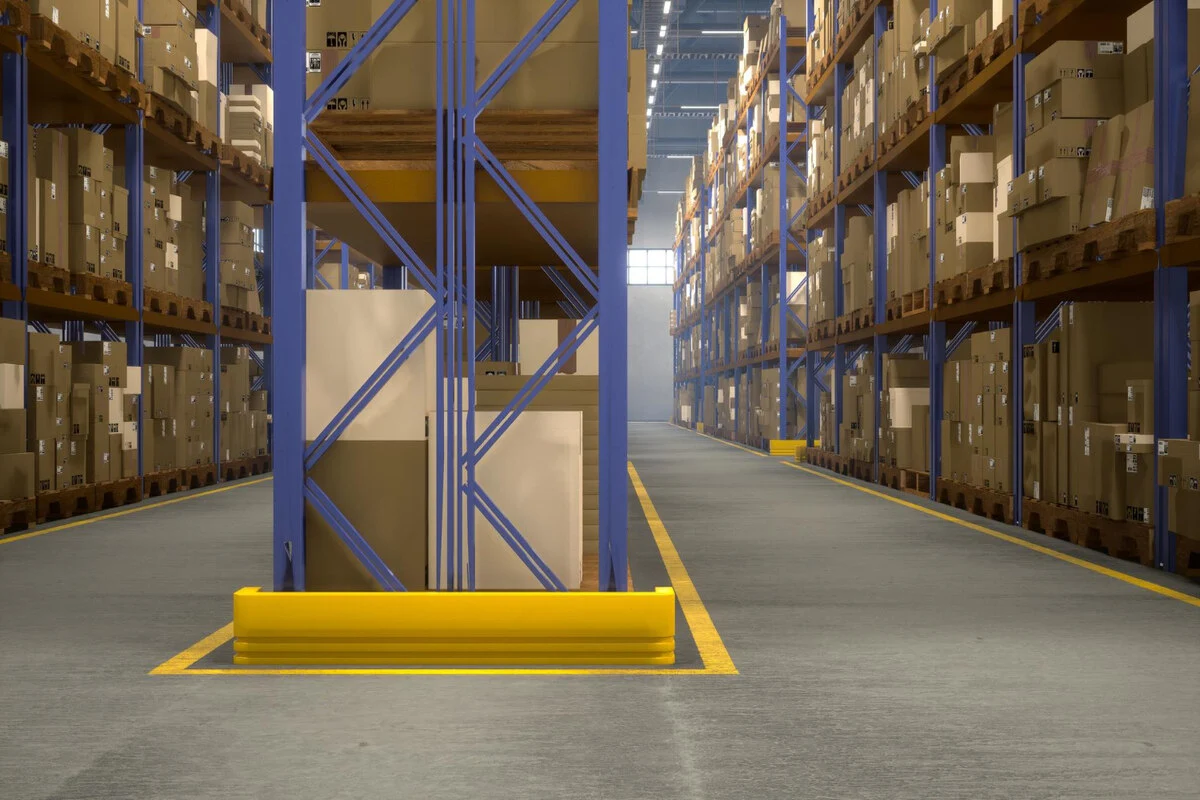
On the warehouse side, its equivalent is much more concrete. It is known at which address, in what quantity, and in what condition each item on the shelf is located.
What is the Difference Between Inventory and Stock?
Stock is the amount of goods held to be sold or used in production. Inventory, on the other hand, is a much wider breakdown of assets that also includes stock.
The distinction between the two concepts becomes clear through scope and purpose.
Comparison | Stock | Inventory |
|---|---|---|
Scope | Goods subject to sale or production | All assets, including goods, fixtures, receivables, and payables |
Purpose | Uninterrupted operation | Documenting the actual status of assets |
Unit of measurement | Piece, box, pallet | Piece and monetary value |
Frequency | Monitored continuously throughout the day | Compiled at the end of periods |
Output | Stock card and shelf balance | Inventory list and financial statement data |
The source of confusion is daily usage. In the field, the two words are often used interchangeably. In accounting records, however, they carry separate meanings.
What Are the Types of Inventory?
Inventory is classified according to the position of the material in the production flow. This distinction directly affects both the storage method and the counting frequency.
Raw Material Inventory: Raw materials that have not yet entered production. It is kept at a higher level for items with long lead times.
Work-in-Process Inventory: Products that have been processed on the line but are not yet completed. It accumulates rapidly during line stoppages.
Finished Goods Inventory: Final, packaged products ready for sale. It moves according to the shipment plan.
Spare Parts Inventory: Small-volume parts held for machine maintenance. Their turnover rate is low.
Packaging Inventory: Consumable items such as boxes, pallets, stretch wrap, and labels. Its value is low, and its volume is high.
Safety Inventory: The buffer amount set aside against demand fluctuations. It is kept only for critical products.
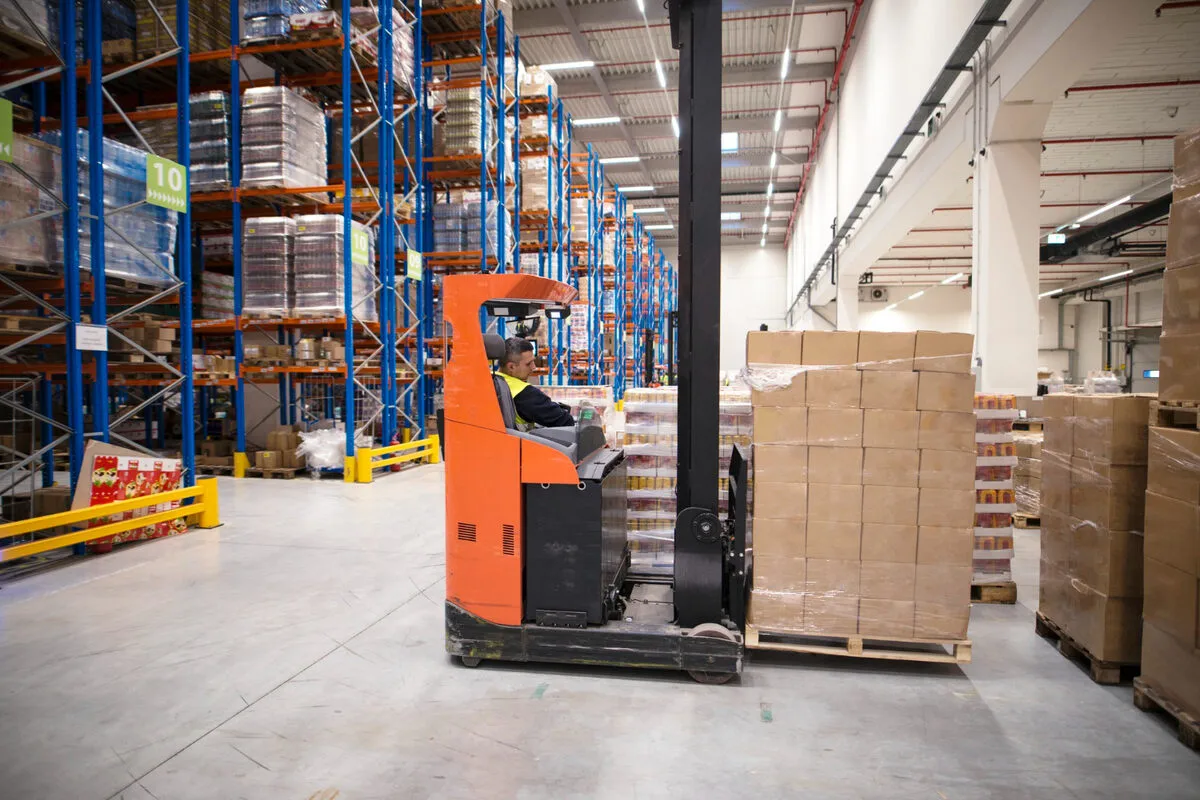
The space these types occupy in the warehouse also differs from one another. Small parts accessed by hand are generally positioned on light duty shelving. Palletized finished goods, on the other hand, are moved to heavy-duty systems.
What is Inventory Management and Why is it Important?
Inventory management is the process of keeping the quantity, location, and cost of material under control from its entry to its exit. The aim of the process is to have the right product ready in the right quantity.
Its importance is primarily seen on the cost side. Every item held in excess ties up capital and occupies shelf space.
An item held in deficit, however, creates a different cost. It leads to unfulfilled orders, production stoppages, or urgent procurement expenses.
Over time, products that show no movement at all become dead stock. These items look valuable on the record, but in the field, they only occupy space.
The operational answer to the question of what inventory management is lies in this balance. The process relies on the continuous monitoring of the narrow band between excess and deficit.

What Are the Inventory Counting Methods?
Inventory counting is the measurement process where the physical quantity in the warehouse is compared with the records. The question of how to perform an inventory count is answered differently depending on warehouse volume and product variety.
Full Count: All items in the warehouse are counted at one time. It is usually applied at the end of the period by stopping operations.
Cycle Counting: Product groups are counted sequentially throughout the year. It does not interrupt daily operations.
Sample Counting: A selected, limited group is counted, and the result represents the general population. It is fast, but carries a margin of deviation.
ABC-Focused Counting: High-value Group A is counted frequently, while low-value Group C is counted rarely. It balances the distribution of labor.
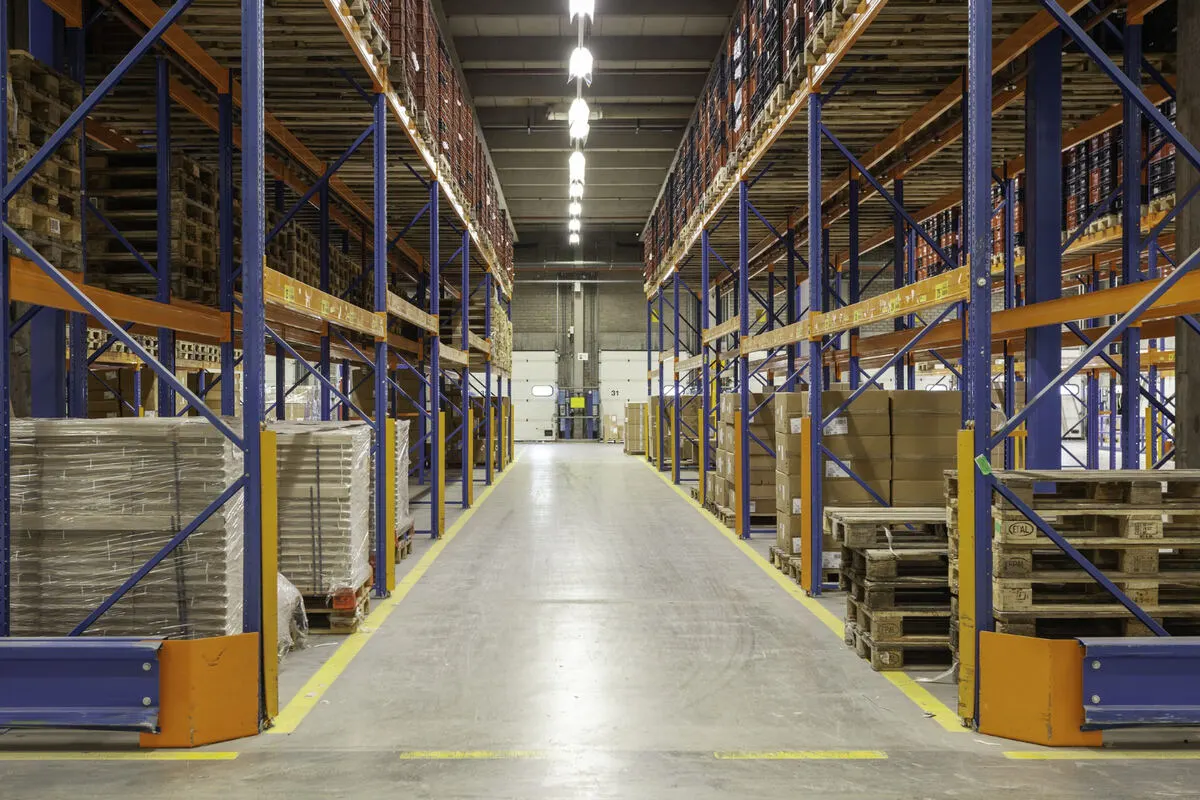
The speed of the count is directly dependent on the ease of physical access to the product. The back-to-back rack system, which provides access to each pallet individually, allows cycle counting to be carried out without closing aisles.
How to Choose a Warehouse Rack System That Facilitates Inventory Management?
The right rack system is selected by looking at the turnover rate, load type, and access need of the inventory. The decision matures in five steps.
Load Type is Determined: Distinctions are made between palletized, boxed, long profiles, or molds. Unit weight and dimensions are recorded.
Turnover Rate is Measured: Fast-moving items are separated from slow ones. The closest access is granted to the fast group.
Access Priority is Decided: The question of whether access to each pallet or area density is the priority is answered.
Space and Height are Calculated: Ceiling height, column axes, and the lifting capacity of the stacker are measured.
System Type is Matched: The obtained data is compared with the appropriate rack type, and the final decision is made.
The table that emerges at the end of the five steps shows which setup is appropriate. The pallet racking systems that carry palletized loads are installed with gravity flow types in warehouses requiring date tracking, and with deep-lane types in warehouses seeking density.
What Are the Common Mistakes Made in Inventory Management?
The most common mistake is not regularly comparing the record with the physical status. As the difference grows, the reliability of the records is completely lost.
The Habit of Counting Once a Year: The difference is only noticed at the end of the period. It becomes almost impossible to trace the source of the error retroactively.
Lack of Address System: The quantity of the product is known, but its location is not. Order picking time significantly increases.
Not Reporting Dead Stock: Inactive items remain on the same list as active products. Shelf space is wasted for years.
Dependence on Manual Records: Manually entered data produces both delays and typographical errors. Barcode scanning greatly reduces this risk.
Keeping the Safety Quantity Constant: Even if demand changes, the buffer quantity is not updated. As a result, some items end up in excess, while others end up in deficit.
Inventory is not just a counting report on its own. The accuracy of the record gains meaning together with how the material is positioned in the warehouse. The picture changes when the rack layout, counting method, and record system align. At that point, inventory ceases to be a list documenting the past and turns into a tool that supports decision-making.
Inventory is the counting and recording of the assets that a business holds on a specific date, in terms of both quantity and value. Its scope is not limited only to products ready for sale. Raw materials, semi-finished goods, spare parts, and packaging materials are also included in this breakdown.
The term originates from accounting. It describes both the physical counting and the transformation of this count into a document. An asset that is not counted does not enter the inventory.
On the warehouse side, its equivalent is much more concrete. It is known at which address, in what quantity, and in what condition each item on the shelf is located.
What is the Difference Between Inventory and Stock?
Stock is the amount of goods held to be sold or used in production. Inventory, on the other hand, is a much wider breakdown of assets that also includes stock.
The distinction between the two concepts becomes clear through scope and purpose.
Comparison | Stock | Inventory |
|---|---|---|
Scope | Goods subject to sale or production | All assets, including goods, fixtures, receivables, and payables |
Purpose | Uninterrupted operation | Documenting the actual status of assets |
Unit of measurement | Piece, box, pallet | Piece and monetary value |
Frequency | Monitored continuously throughout the day | Compiled at the end of periods |
Output | Stock card and shelf balance | Inventory list and financial statement data |
The source of confusion is daily usage. In the field, the two words are often used interchangeably. In accounting records, however, they carry separate meanings.
What Are the Types of Inventory?
Inventory is classified according to the position of the material in the production flow. This distinction directly affects both the storage method and the counting frequency.
Raw Material Inventory: Raw materials that have not yet entered production. It is kept at a higher level for items with long lead times.
Work-in-Process Inventory: Products that have been processed on the line but are not yet completed. It accumulates rapidly during line stoppages.
Finished Goods Inventory: Final, packaged products ready for sale. It moves according to the shipment plan.
Spare Parts Inventory: Small-volume parts held for machine maintenance. Their turnover rate is low.
Packaging Inventory: Consumable items such as boxes, pallets, stretch wrap, and labels. Its value is low, and its volume is high.
Safety Inventory: The buffer amount set aside against demand fluctuations. It is kept only for critical products.
The space these types occupy in the warehouse also differs from one another. Small parts accessed by hand are generally positioned on light duty shelving. Palletized finished goods, on the other hand, are moved to heavy-duty systems.
What is Inventory Management and Why is it Important?
Inventory management is the process of keeping the quantity, location, and cost of material under control from its entry to its exit. The aim of the process is to have the right product ready in the right quantity.
Its importance is primarily seen on the cost side. Every item held in excess ties up capital and occupies shelf space.
An item held in deficit, however, creates a different cost. It leads to unfulfilled orders, production stoppages, or urgent procurement expenses.
Over time, products that show no movement at all become dead stock. These items look valuable on the record, but in the field, they only occupy space.
The operational answer to the question of what inventory management is lies in this balance. The process relies on the continuous monitoring of the narrow band between excess and deficit.
What Are the Inventory Counting Methods?
Inventory counting is the measurement process where the physical quantity in the warehouse is compared with the records. The question of how to perform an inventory count is answered differently depending on warehouse volume and product variety.
Full Count: All items in the warehouse are counted at one time. It is usually applied at the end of the period by stopping operations.
Cycle Counting: Product groups are counted sequentially throughout the year. It does not interrupt daily operations.
Sample Counting: A selected, limited group is counted, and the result represents the general population. It is fast, but carries a margin of deviation.
ABC-Focused Counting: High-value Group A is counted frequently, while low-value Group C is counted rarely. It balances the distribution of labor.
The speed of the count is directly dependent on the ease of physical access to the product. The back-to-back rack system, which provides access to each pallet individually, allows cycle counting to be carried out without closing aisles.
How to Choose a Warehouse Rack System That Facilitates Inventory Management?
The right rack system is selected by looking at the turnover rate, load type, and access need of the inventory. The decision matures in five steps.
Load Type is Determined: Distinctions are made between palletized, boxed, long profiles, or molds. Unit weight and dimensions are recorded.
Turnover Rate is Measured: Fast-moving items are separated from slow ones. The closest access is granted to the fast group.
Access Priority is Decided: The question of whether access to each pallet or area density is the priority is answered.
Space and Height are Calculated: Ceiling height, column axes, and the lifting capacity of the stacker are measured.
System Type is Matched: The obtained data is compared with the appropriate rack type, and the final decision is made.
The table that emerges at the end of the five steps shows which setup is appropriate. The pallet racking systems that carry palletized loads are installed with gravity flow types in warehouses requiring date tracking, and with deep-lane types in warehouses seeking density.
What Are the Common Mistakes Made in Inventory Management?
The most common mistake is not regularly comparing the record with the physical status. As the difference grows, the reliability of the records is completely lost.
The Habit of Counting Once a Year: The difference is only noticed at the end of the period. It becomes almost impossible to trace the source of the error retroactively.
Lack of Address System: The quantity of the product is known, but its location is not. Order picking time significantly increases.
Not Reporting Dead Stock: Inactive items remain on the same list as active products. Shelf space is wasted for years.
Dependence on Manual Records: Manually entered data produces both delays and typographical errors. Barcode scanning greatly reduces this risk.
Keeping the Safety Quantity Constant: Even if demand changes, the buffer quantity is not updated. As a result, some items end up in excess, while others end up in deficit.
Inventory is not just a counting report on its own. The accuracy of the record gains meaning together with how the material is positioned in the warehouse. The picture changes when the rack layout, counting method, and record system align. At that point, inventory ceases to be a list documenting the past and turns into a tool that supports decision-making.
Frequently Asked Questions (FAQ) About Inventory
Frequently Asked Questions (FAQ) About Inventory
Frequently Asked Questions (FAQ) About Inventory
How often should the inventory record be updated?
The record is instantly updated with every movement of goods in and out. Physical verification, on the other hand, varies by product group. Monthly controls are common for high-value items, quarterly for medium groups, and semi-annually for low-value items. At the end of the year, a comprehensive verification is performed for the entire warehouse.
What do inventory surplus and inventory shortage mean?
How are barcodes and RFID used in inventory management?
What is the difference between the periodic and perpetual inventory system?
What components make up the inventory cost?


Contact
Do you want to receive more information? We have expert and reliable contact persons available for any questions, issues, and suggestions.
Reta Engineering Warehouse Racking Systems Industry and Trade Inc.
Address
Muradiye Organized Industrial Zone, 10th St. No: 30 Yunusemre / Manisa
info@retamuhendislik.com.tr