
What is a Logistics Warehouse?
What is a Logistics Warehouse?
What is a Logistics Warehouse?
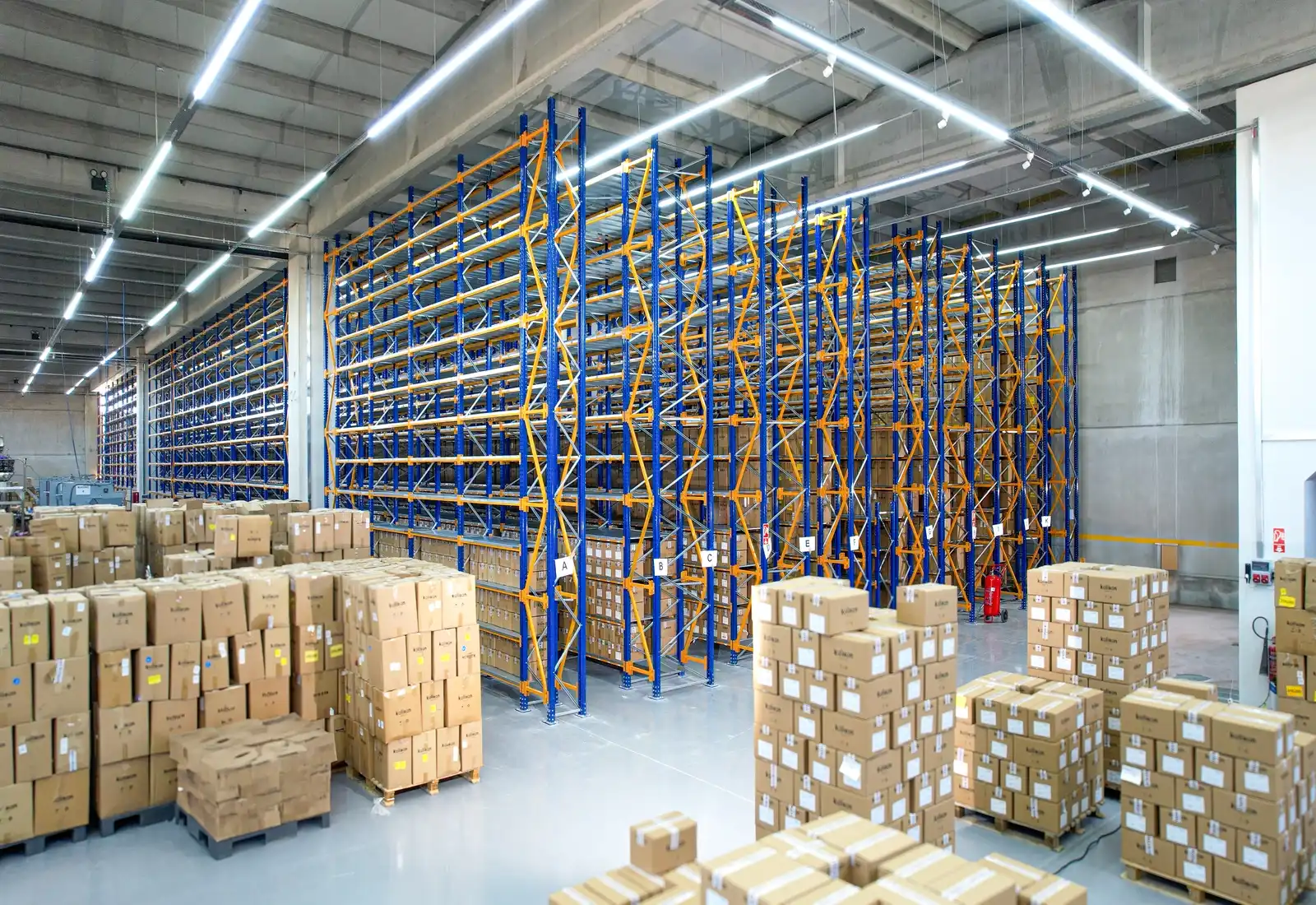
A logistics warehouse is an operations center where all processes, from receiving to shipping, are managed in a planned, safe, and traceable way. A proper warehouse setup strengthens inventory control, speeds up order processes, reduces costs, and increases customer satisfaction.
Discover the types of logistics warehouses, their services, and why they are important for businesses. Learn how warehouse management can enhance your operational efficiency.
A logistics warehouse is an operations center where all processes, from receiving to shipping, are managed in a planned, safe, and traceable way. A proper warehouse setup strengthens inventory control, speeds up order processes, reduces costs, and increases customer satisfaction.
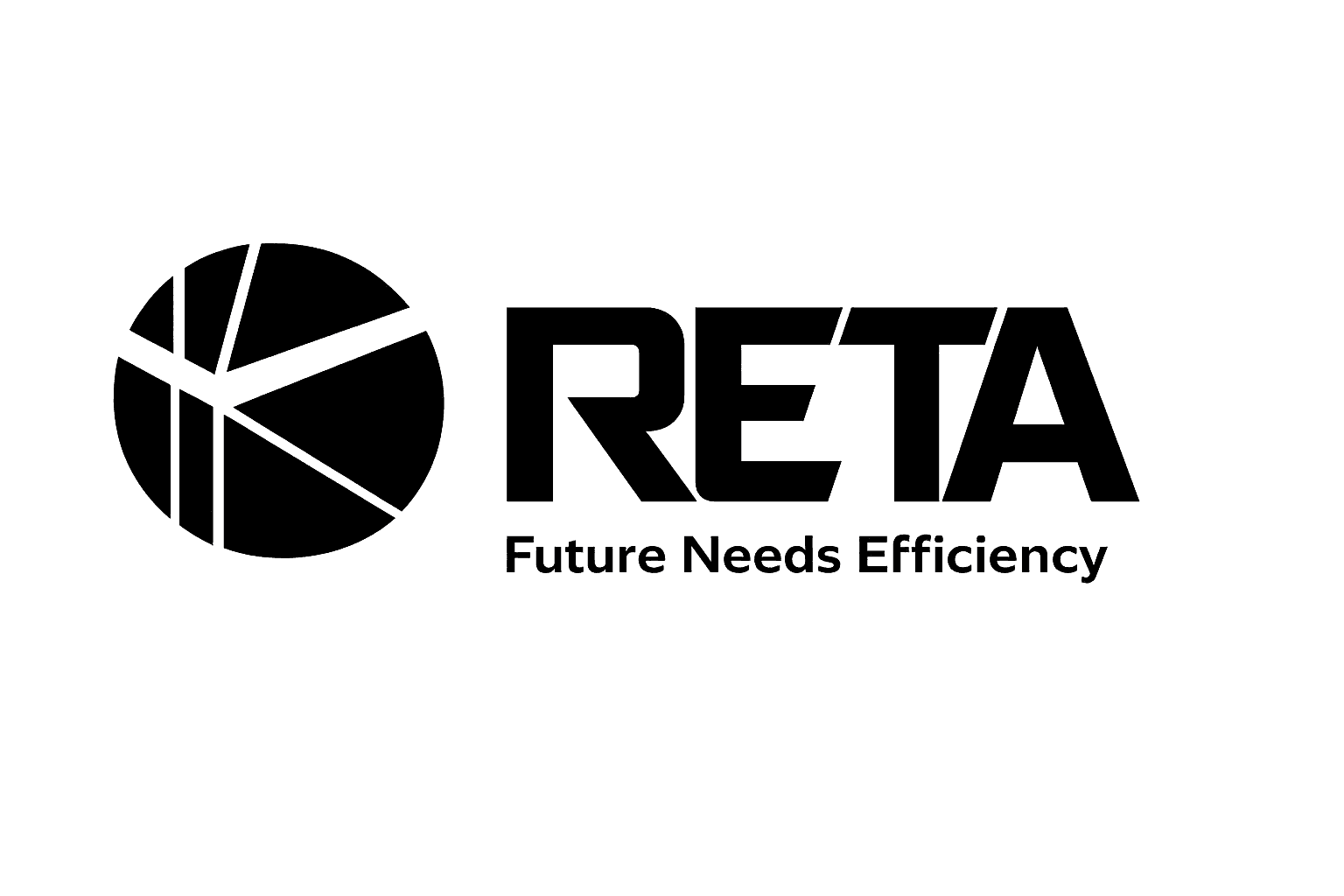
A logistics warehouse is a professional storage area that allows you to manage your products safely, orderly, and controllably at different stages of the supply chain. The entire process from the entry of your products into the warehouse to reaching the customer is planned, tracked, and optimized by the warehouse management systems and operational team. Therefore, a logistics warehouse is not just an area where products are temporarily stored, but a strategic center that enhances your business's operational flow.
In a logistics warehouse, many critical processes, such as accepting products, barcoding, placing them on appropriate shelves, tracking stocks, collecting orders, packaging, and preparing for shipment, are carried out simultaneously. When these processes are professionally managed, your warehouse operations proceed faster, errors decrease, and customer satisfaction increases. Especially in businesses where e-commerce volume is growing, warehouse management is a determining factor for gaining a competitive advantage.
Modern logistics warehouses are equipped with advanced software systems, barcode technologies, shelving solutions, and security applications. By this means, the movement of each product within the warehouse can be tracked, stock levels are updated instantly, and shipment processes are managed more controlably. Poorly managed stock structure causes financial losses to businesses, but with a professional warehouse system, you can prevent problems such as excess products, stock shortages, or losses.
Additionally, logistics warehouses increase your business's operational flexibility. Your product volume can suddenly increase during demand periods, and different product groups may come to the forefront due to campaigns or seasonal transitions. Warehouse management quickly adapts to these changes and offers you operational convenience. As a result, a logistics warehouse is one of the fundamental building blocks that ensure the efficient operation of your supply chain, reduce costs, and contribute to the growth of your business.
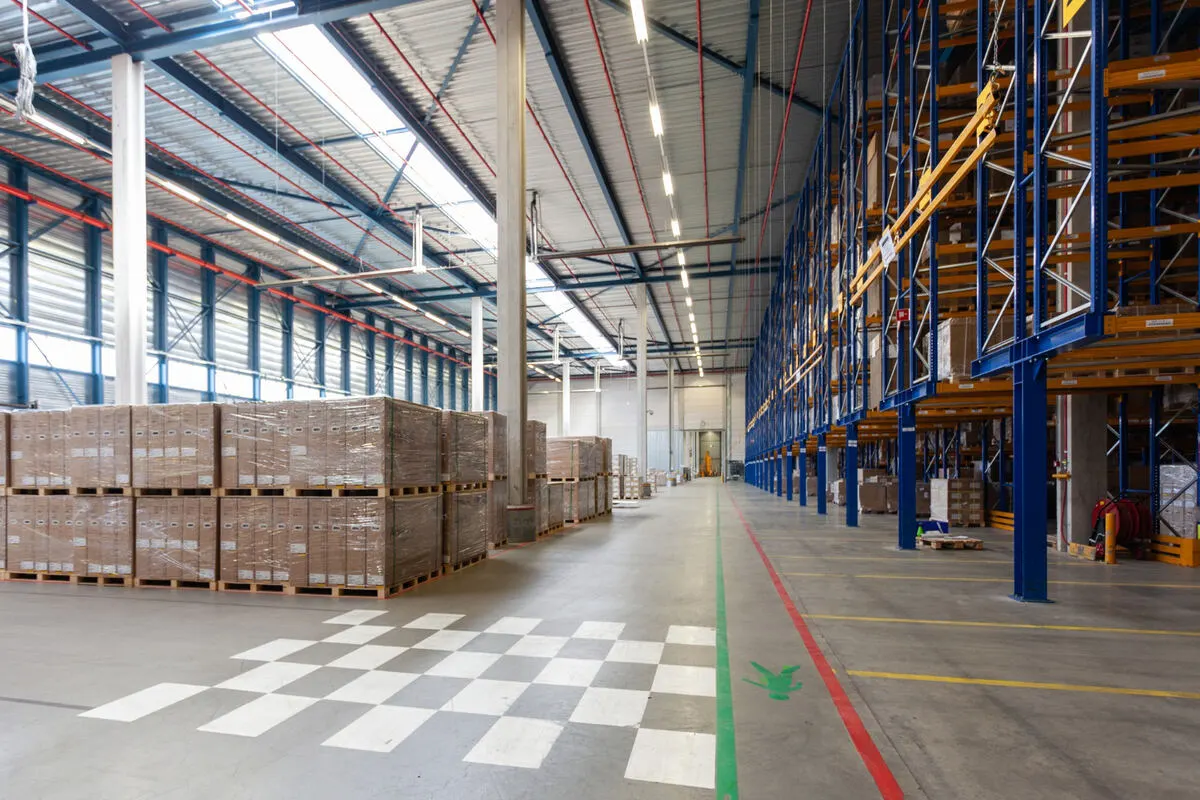
For the sustainability of the warehouse layout, high-capacity solutions like pallet racking significantly enhance operational efficiency.
What Are the Types of Logistics Warehouses?
There are different types of logistics warehouses you can prefer according to your business's product type, operation intensity, and supply chain needs. Each type of warehouse serves a specific purpose, and making the right choice directly affects your operational efficiency.
General Warehouses
These are flexible warehouse areas open to the common use of many businesses, meeting short or medium-term storage needs. They are a cost-effective solution for businesses that do not want to invest in a warehouse.
Private Warehouses
These are warehouses completely under your business's control, established for long-term storage and operational needs. Capacity, design, and process management are completely shaped according to your needs.
Distribution Centers
These are high-volume operation centers where products are quickly sorted, classified, and prepared for shipment. They play a critical role, especially in the e-commerce and fast-moving consumer sectors.
Cold Storage Warehouses
These are climate-controlled warehouses where food, pharmaceuticals, and sensitive products are stored at specific temperature and humidity values. Temperature is continuously monitored to maintain product quality.
Bonded Warehouses
These are specially supervised warehouses where your products are stored until customs procedures are completed during import and export processes. They provide great convenience for businesses engaged in international trade.
Cross-Docking Warehouses
These are operation centers that minimize the storage time by transferring products from vehicle to vehicle quickly, saving time. They are advantageous for businesses looking to reduce stock costs.
Automated Warehouses
These are high-tech warehouses operated by robotic systems, focused on speed and accuracy. They provide maximum efficiency in large-volume and high-paced operations.
To support operations in different types of warehouses, carton flow racks contribute to the orderly and fast progress of product flow.
What Are Logistics Warehouse Services?
Logistics warehouses offer comprehensive services that ensure the professional management of the entire process from storage to shipment of your products. These services speed up your operational processes while also increasing stock accuracy, reducing costs, and enhancing customer satisfaction.
Goods Receiving and Control
Your products are meticulously checked for count, quality, and compliance at the warehouse entry stage. Thus, only correct and complete products are included in the storage process.
Storage and Shelving Management
Your products are placed in appropriate shelving systems according to their features and regularly positioned with barcode tracking. This ensures quick access to your products when you need them.
Inventory Management
Your stock levels are regularly monitored, reported, and actions are taken when needed. This process helps to prevent cost-inducing situations such as excess products or stock shortages.
Order Preparation
Your customer orders are collected accurately, quickly, and without errors. Your products are packaged, checked, and made ready for shipment completely. This step is of critical importance, especially in e-commerce operations.
Labeling and Barcoding
Barcode and labeling operations are professionally done to increase the traceability of your products, and relabeling is done when necessary. Thus, all your in-warehouse movements are easily tracked.
Value-Added Services
Additional services such as promotional setup, repackaging, assembly, quality control, product separation, and special operations are offered. These processes ensure that your products reach the customer more prepared and valuable.
Shipping Operations
Your products are loaded onto the correct vehicles and delivered to planned points on time. This process increases your delivery speed and positively affects your customer satisfaction.
Why Is a Logistics Warehouse Important?
A logistics warehouse plays a critical role in allowing your business to manage its supply chain regularly, safely, and sustainably. Having your products at the right place at the right time, keeping stocks under control, and quickly meeting customer demands require the warehouse management to be established on solid foundations. Therefore, logistics warehouses are not just storage areas; they are strategic centers that determine your business's operational efficiency.
A well-managed warehouse speeds up your order processes and reduces error rates. As your customers receive faster deliveries, their trust in your business increases. At the same time, thanks to in-warehouse organization and tracking mechanisms, product losses, damages, and shipment errors are minimized. Thus, while your operational costs decrease, you have the opportunity to maintain and improve your quality standards.
Stock management is a critical issue for businesses. Excess stock creates a cost burden, while stock shortages lead to sales losses. When logistics warehouse processes are correctly planned, these imbalances are avoided. Real-time stock tracking, data analysis, and regular reporting allow your business to maintain control and make healthier decisions.
Logistics warehouses also provide operational flexibility for your business. During campaign periods, season changes, or demand increases, it adapts quickly to seamlessly meet customer demands. When your product range increases or your operation volume grows, your warehouse provides a reliable foundation to manage processes regularly.
With the rise of e-commerce, speed, accuracy, and traceability have become more important than ever. A logistics warehouse offers a critical advantage, especially for businesses that sell online. A well-positioned and well-organized warehouse system enables you to stand out in the competition. Customer satisfaction and brand loyalty are directly affected, and your business's growth potential increases.
In conclusion, a logistics warehouse can be considered the power center of your business's supply chain. Efficient warehouse management; with its cost advantage, rapid processing capability, quality delivery processes, and sustainable operational structure, takes your business one step ahead. Today, logistics warehouse management has become a strategic necessity for every business that aims to survive and grow in the competitive environment.
For businesses looking to increase warehouse efficiency, mezzanine systems make the existing space more functional, providing additional mobility for operations.
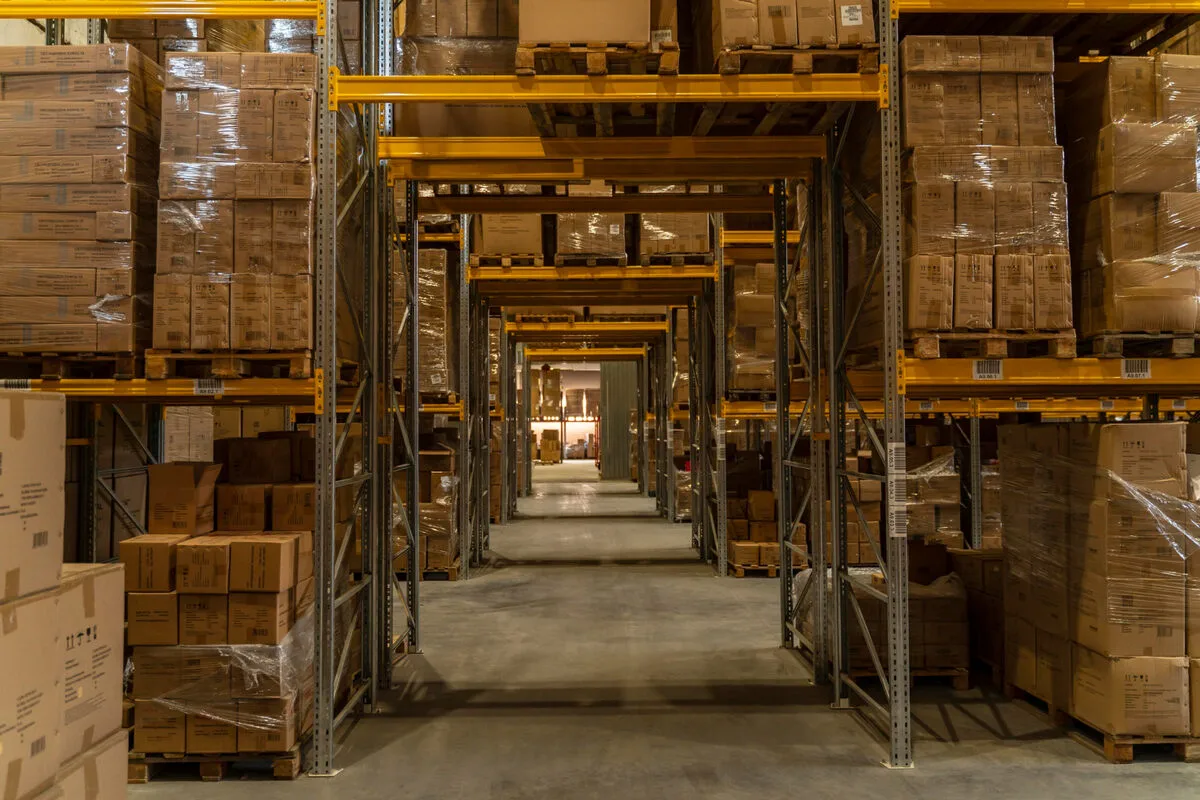
A logistics warehouse is a professional storage area that allows you to manage your products safely, orderly, and controllably at different stages of the supply chain. The entire process from the entry of your products into the warehouse to reaching the customer is planned, tracked, and optimized by the warehouse management systems and operational team. Therefore, a logistics warehouse is not just an area where products are temporarily stored, but a strategic center that enhances your business's operational flow.
In a logistics warehouse, many critical processes, such as accepting products, barcoding, placing them on appropriate shelves, tracking stocks, collecting orders, packaging, and preparing for shipment, are carried out simultaneously. When these processes are professionally managed, your warehouse operations proceed faster, errors decrease, and customer satisfaction increases. Especially in businesses where e-commerce volume is growing, warehouse management is a determining factor for gaining a competitive advantage.
Modern logistics warehouses are equipped with advanced software systems, barcode technologies, shelving solutions, and security applications. By this means, the movement of each product within the warehouse can be tracked, stock levels are updated instantly, and shipment processes are managed more controlably. Poorly managed stock structure causes financial losses to businesses, but with a professional warehouse system, you can prevent problems such as excess products, stock shortages, or losses.
Additionally, logistics warehouses increase your business's operational flexibility. Your product volume can suddenly increase during demand periods, and different product groups may come to the forefront due to campaigns or seasonal transitions. Warehouse management quickly adapts to these changes and offers you operational convenience. As a result, a logistics warehouse is one of the fundamental building blocks that ensure the efficient operation of your supply chain, reduce costs, and contribute to the growth of your business.
For the sustainability of the warehouse layout, high-capacity solutions like pallet racking significantly enhance operational efficiency.
What Are the Types of Logistics Warehouses?
There are different types of logistics warehouses you can prefer according to your business's product type, operation intensity, and supply chain needs. Each type of warehouse serves a specific purpose, and making the right choice directly affects your operational efficiency.
General Warehouses
These are flexible warehouse areas open to the common use of many businesses, meeting short or medium-term storage needs. They are a cost-effective solution for businesses that do not want to invest in a warehouse.
Private Warehouses
These are warehouses completely under your business's control, established for long-term storage and operational needs. Capacity, design, and process management are completely shaped according to your needs.
Distribution Centers
These are high-volume operation centers where products are quickly sorted, classified, and prepared for shipment. They play a critical role, especially in the e-commerce and fast-moving consumer sectors.
Cold Storage Warehouses
These are climate-controlled warehouses where food, pharmaceuticals, and sensitive products are stored at specific temperature and humidity values. Temperature is continuously monitored to maintain product quality.
Bonded Warehouses
These are specially supervised warehouses where your products are stored until customs procedures are completed during import and export processes. They provide great convenience for businesses engaged in international trade.
Cross-Docking Warehouses
These are operation centers that minimize the storage time by transferring products from vehicle to vehicle quickly, saving time. They are advantageous for businesses looking to reduce stock costs.
Automated Warehouses
These are high-tech warehouses operated by robotic systems, focused on speed and accuracy. They provide maximum efficiency in large-volume and high-paced operations.
To support operations in different types of warehouses, carton flow racks contribute to the orderly and fast progress of product flow.
What Are Logistics Warehouse Services?
Logistics warehouses offer comprehensive services that ensure the professional management of the entire process from storage to shipment of your products. These services speed up your operational processes while also increasing stock accuracy, reducing costs, and enhancing customer satisfaction.
Goods Receiving and Control
Your products are meticulously checked for count, quality, and compliance at the warehouse entry stage. Thus, only correct and complete products are included in the storage process.
Storage and Shelving Management
Your products are placed in appropriate shelving systems according to their features and regularly positioned with barcode tracking. This ensures quick access to your products when you need them.
Inventory Management
Your stock levels are regularly monitored, reported, and actions are taken when needed. This process helps to prevent cost-inducing situations such as excess products or stock shortages.
Order Preparation
Your customer orders are collected accurately, quickly, and without errors. Your products are packaged, checked, and made ready for shipment completely. This step is of critical importance, especially in e-commerce operations.
Labeling and Barcoding
Barcode and labeling operations are professionally done to increase the traceability of your products, and relabeling is done when necessary. Thus, all your in-warehouse movements are easily tracked.
Value-Added Services
Additional services such as promotional setup, repackaging, assembly, quality control, product separation, and special operations are offered. These processes ensure that your products reach the customer more prepared and valuable.
Shipping Operations
Your products are loaded onto the correct vehicles and delivered to planned points on time. This process increases your delivery speed and positively affects your customer satisfaction.
Why Is a Logistics Warehouse Important?
A logistics warehouse plays a critical role in allowing your business to manage its supply chain regularly, safely, and sustainably. Having your products at the right place at the right time, keeping stocks under control, and quickly meeting customer demands require the warehouse management to be established on solid foundations. Therefore, logistics warehouses are not just storage areas; they are strategic centers that determine your business's operational efficiency.
A well-managed warehouse speeds up your order processes and reduces error rates. As your customers receive faster deliveries, their trust in your business increases. At the same time, thanks to in-warehouse organization and tracking mechanisms, product losses, damages, and shipment errors are minimized. Thus, while your operational costs decrease, you have the opportunity to maintain and improve your quality standards.
Stock management is a critical issue for businesses. Excess stock creates a cost burden, while stock shortages lead to sales losses. When logistics warehouse processes are correctly planned, these imbalances are avoided. Real-time stock tracking, data analysis, and regular reporting allow your business to maintain control and make healthier decisions.
Logistics warehouses also provide operational flexibility for your business. During campaign periods, season changes, or demand increases, it adapts quickly to seamlessly meet customer demands. When your product range increases or your operation volume grows, your warehouse provides a reliable foundation to manage processes regularly.
With the rise of e-commerce, speed, accuracy, and traceability have become more important than ever. A logistics warehouse offers a critical advantage, especially for businesses that sell online. A well-positioned and well-organized warehouse system enables you to stand out in the competition. Customer satisfaction and brand loyalty are directly affected, and your business's growth potential increases.
In conclusion, a logistics warehouse can be considered the power center of your business's supply chain. Efficient warehouse management; with its cost advantage, rapid processing capability, quality delivery processes, and sustainable operational structure, takes your business one step ahead. Today, logistics warehouse management has become a strategic necessity for every business that aims to survive and grow in the competitive environment.
For businesses looking to increase warehouse efficiency, mezzanine systems make the existing space more functional, providing additional mobility for operations.
Frequently Asked Questions (FAQ) About Logistic Warehouses
Frequently Asked Questions (FAQ) About Logistic Warehouses
Frequently Asked Questions (FAQ) About Logistic Warehouses
How Should Logistics Warehouse Selection Be Made?
The most suitable warehouse model should be determined by evaluating your business's product structure, stock volume, industry needs, and operation speed. Location, capacity, and technology infrastructure are important criteria in the selection process.
How is Security Ensured in Logistics Warehouses?
What Do Warehouse Management Systems Offer to Businesses?
Why is Temperature and Humidity Control Important in Warehouses?
Why Are Logistics Warehouse Processes Critically Important for E-Commerce?


Contact
Do you want to receive more information? We have expert and reliable contact persons available for any questions, issues, and suggestions.
Reta Engineering Warehouse Racking Systems Industry and Trade Inc.
Address
Muradiye Organized Industrial Zone, 10th St. No: 30 Yunusemre / Manisa
info@retamuhendislik.com.tr