

What is SKU?
What is SKU?
What is SKU?
SKU is the unique stock tracking code that a business assigns to each different product variant. Its difference from a barcode is that it is not assigned externally but defined internally within the company. When the color, size, or packaging changes, the code also changes. The number of items and their movement speed directly determine the warehouse addressing layout and the choice of shelving system.
What is a SKU, what does it stand for, and how is a SKU code created? The difference with barcodes, item-based inventory tracking, and choosing the right shelving system are in this guide.
SKU is the unique stock tracking code that a business assigns to each different product variant. Its difference from a barcode is that it is not assigned externally but defined internally within the company. When the color, size, or packaging changes, the code also changes. The number of items and their movement speed directly determine the warehouse addressing layout and the choice of shelving system.
SKU is the unique tracking code given by a business to each different product variety subject to sale or storage. It stands for Stock Keeping Unit. Its Turkish equivalent is used as "stok tutma birimi".
Each variant that needs to be counted separately in the warehouse is defined as a separate line item.
The red and blue versions of the same t-shirt are two different codes. When the color, size, volume, or packaging changes, the code also changes.
This structure is specific to the business. The SKU number is not assigned by an external organization; it is defined within the company's own system.
How to Create an SKU Code?
The SKU code is created by shortening the features that distinguish the product and combining them in a fixed order. The process proceeds in five steps.
Category Breakdown is Determined: It is decided down to which level the product tree will be split. The depth of the breakdown directly affects the code length.
Distinguishing Features are Selected: Critical fields such as color, size, volume, and material are listed. Details that do not affect sales are excluded.
Character Order is Structured: A fixed-length abbreviation is defined for each feature. The order of the fields remains the same for all products.
Serial Number is Added: An ascending counter is used to separate items with the same features.
Record is Locked in the System: The created code is entered into the management software and its uniqueness is verified by the system.
An example structure makes reading easier. In the code TSH-KRM-M-001, product type, color, size, and counter take place respectively.
It is not recommended to start the code with a number, especially with a zero. The leading zero is automatically deleted in spreadsheet programs and the record gets corrupted.
What is the Difference Between SKU, Barcode, and Product Code?
SKU is the internal tracking code determined by the business itself. A barcode is a label read by a machine and usually linked to a global standard. Product code, on the other hand, is the definition used by the manufacturer in its own catalog.
Comparison | SKU | Barcode | Product Code |
|---|---|---|---|
Who determines it | Seller or warehouse business | International organizations such as GS1 | Manufacturer company |
Validity area | Within a single business | Unique worldwide | Manufacturer's catalog |
Structure | Mixed letters and numbers, meaningful | Numbers only, carries no meaning | Varies by company |
Main purpose | Stock and shelf tracking | Fast reading at checkout and warehouse | Identification on manufacturer side |
Changeability | Changes by business decision | Remains fixed | Changes by manufacturer decision |
All three codes can coexist on the same product. One does not replace the other; each feeds a different system.
How Does the Number of SKUs Affect Warehouse Operations?
As the number of items increases, the number of separate addresses, separate counts, and separate picking points that need to be managed in the warehouse also increases. The effect is not linear.
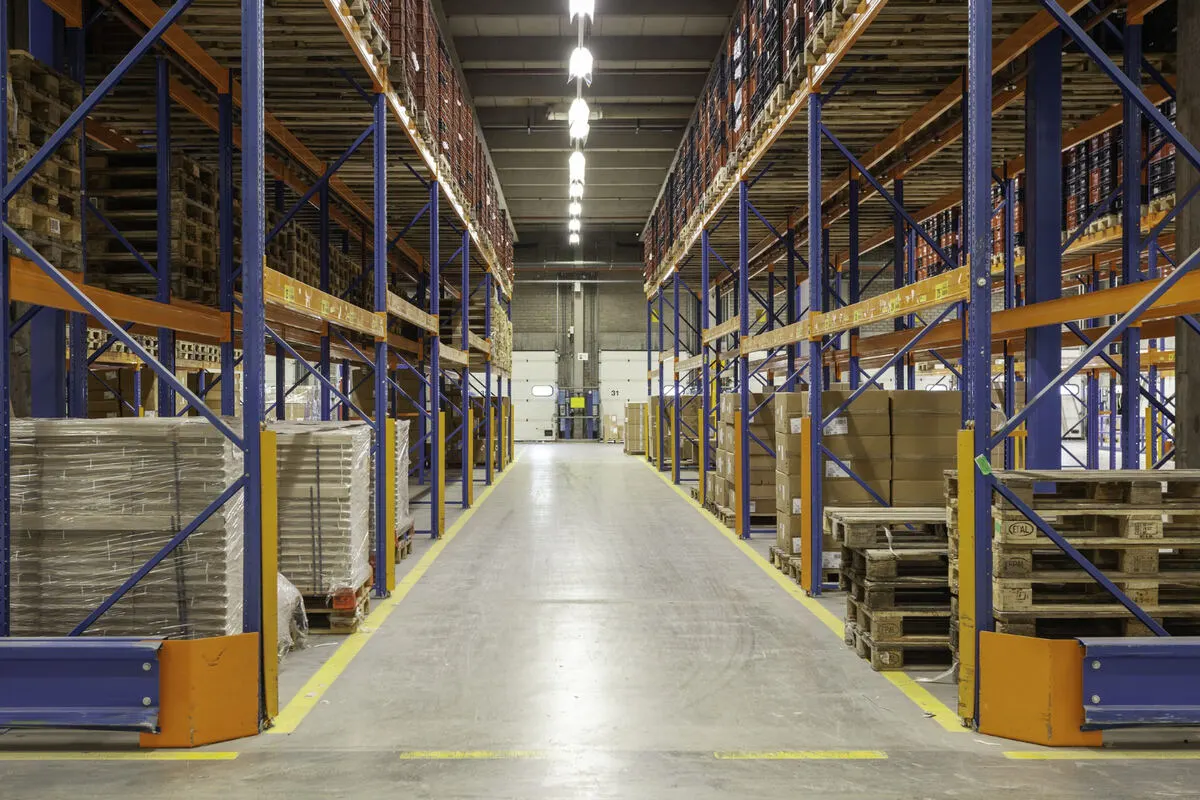
A warehouse with a hundred items can be managed in a single aisle. In a warehouse with a thousand items, however, the picking route, addressing logic, and staff planning are re-structured.
Picking time is the first area to be affected. As diversity increases, the distance covered by the operator extends, and the time per order rises.
The counting workload also grows in the same direction. Every additional item means a new row that needs to be verified.
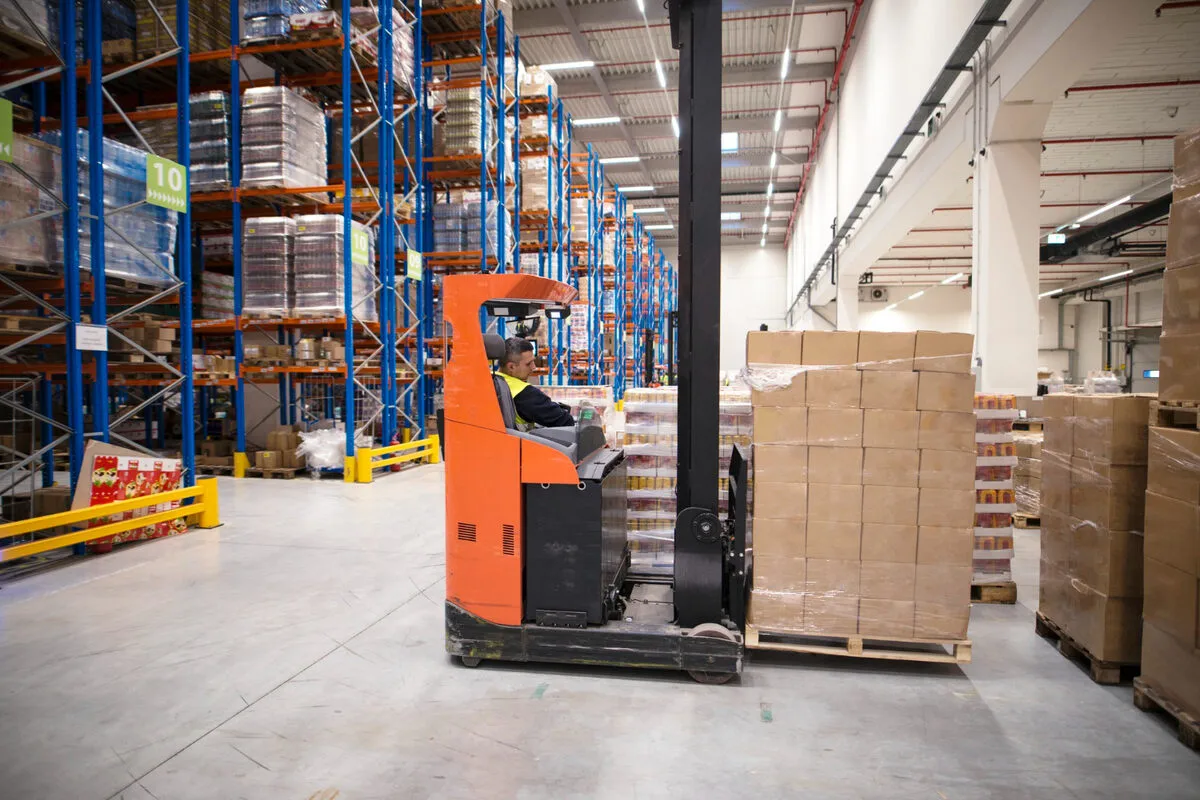
When it comes to a large number of low-volume and hand-picked items, the solution is sought on the shelving side. These products are generally positioned in narrow-spaced compartments on light duty shelving.

How to Do SKU-Based Stock Tracking?
SKU-based stock tracking is tracking the quantity and location of each item individually at the code level. Instead of total quantity, balance is kept on an item basis.
Unique Code Assignment: Each variant is defined in the system only once. Double registration is prevented from the very beginning.
Shelf Address Matching: Code is stored along with aisle, compartment, and level information. Location query is answered in a single step.
Movement Record: Entry, exit, and transfer transactions are processed into the system at the moment of scanning.
Minimum Level Warning: A threshold value is defined on an item basis. When the balance falls below the threshold, an order is triggered.
Periodic Verification: Fast-moving items are counted frequently, slow items more rarely.
The accuracy of tracking also depends on the order in which the product is taken from the shelf. The gravity-operated carton flow rack system physically forces the first-in-first-out flow by moving the boxes to the front face.
How to Choose the Right Rack System Based on SKU Diversity?
The rack system is selected by looking at the number of item types and the movement speed of these items. These two variables are always evaluated together.
In the low diversity and high volume scenario, deep storage comes to the fore. Since there are many of the same product, separate access to each compartment is not required.
In the high diversity and low volume scenario, however, access is prioritized. Each item is expected to stand in a separate compartment and be retrieved in a single movement.
Flow solutions are preferred for a limited number of fast-moving items. The picking point is fixed, and the walking distance of the operator is shortened.
For items in box and parcel format, carton flow rack systems with their modular compartments make it easy to define a separate address for each variant. The final decision is made after calculating the compartment size and picking height.
What are the Common Mistakes in SKU Management?
The most common mistake is opening separate codes for variants that do not actually differ. The list bloats, counting time extends, and reports become unreadable.
Excessive Breakdown: A new record is opened for every detail that does not affect sales. The number of items multiplies unnecessarily.
Meaningless Random Codes: The code does not carry any information. It becomes necessary to search the system for every query.
Double Registration: The same product is defined with two different codes. The balance is split in two, and both lines look incorrect.
Obsolete Items Remaining on the List: Records that have not seen movement for years continue to stay on the active list.
Not Documenting the Change: The code is updated, but no link is established with the old record. Historical sales data is disconnected.
When code structure, warehouse layout, and software are established with the same logic, tracking works on its own. When these three diverge, however, every count produces a new correction list. This is also the reason why the coding decision is made before the rack layout decision.
SKU is the unique tracking code given by a business to each different product variety subject to sale or storage. It stands for Stock Keeping Unit. Its Turkish equivalent is used as "stok tutma birimi".
Each variant that needs to be counted separately in the warehouse is defined as a separate line item.
The red and blue versions of the same t-shirt are two different codes. When the color, size, volume, or packaging changes, the code also changes.
This structure is specific to the business. The SKU number is not assigned by an external organization; it is defined within the company's own system.
How to Create an SKU Code?
The SKU code is created by shortening the features that distinguish the product and combining them in a fixed order. The process proceeds in five steps.
Category Breakdown is Determined: It is decided down to which level the product tree will be split. The depth of the breakdown directly affects the code length.
Distinguishing Features are Selected: Critical fields such as color, size, volume, and material are listed. Details that do not affect sales are excluded.
Character Order is Structured: A fixed-length abbreviation is defined for each feature. The order of the fields remains the same for all products.
Serial Number is Added: An ascending counter is used to separate items with the same features.
Record is Locked in the System: The created code is entered into the management software and its uniqueness is verified by the system.
An example structure makes reading easier. In the code TSH-KRM-M-001, product type, color, size, and counter take place respectively.
It is not recommended to start the code with a number, especially with a zero. The leading zero is automatically deleted in spreadsheet programs and the record gets corrupted.
What is the Difference Between SKU, Barcode, and Product Code?
SKU is the internal tracking code determined by the business itself. A barcode is a label read by a machine and usually linked to a global standard. Product code, on the other hand, is the definition used by the manufacturer in its own catalog.
Comparison | SKU | Barcode | Product Code |
|---|---|---|---|
Who determines it | Seller or warehouse business | International organizations such as GS1 | Manufacturer company |
Validity area | Within a single business | Unique worldwide | Manufacturer's catalog |
Structure | Mixed letters and numbers, meaningful | Numbers only, carries no meaning | Varies by company |
Main purpose | Stock and shelf tracking | Fast reading at checkout and warehouse | Identification on manufacturer side |
Changeability | Changes by business decision | Remains fixed | Changes by manufacturer decision |
All three codes can coexist on the same product. One does not replace the other; each feeds a different system.
How Does the Number of SKUs Affect Warehouse Operations?
As the number of items increases, the number of separate addresses, separate counts, and separate picking points that need to be managed in the warehouse also increases. The effect is not linear.
A warehouse with a hundred items can be managed in a single aisle. In a warehouse with a thousand items, however, the picking route, addressing logic, and staff planning are re-structured.
Picking time is the first area to be affected. As diversity increases, the distance covered by the operator extends, and the time per order rises.
The counting workload also grows in the same direction. Every additional item means a new row that needs to be verified.
When it comes to a large number of low-volume and hand-picked items, the solution is sought on the shelving side. These products are generally positioned in narrow-spaced compartments on light duty shelving.
How to Do SKU-Based Stock Tracking?
SKU-based stock tracking is tracking the quantity and location of each item individually at the code level. Instead of total quantity, balance is kept on an item basis.
Unique Code Assignment: Each variant is defined in the system only once. Double registration is prevented from the very beginning.
Shelf Address Matching: Code is stored along with aisle, compartment, and level information. Location query is answered in a single step.
Movement Record: Entry, exit, and transfer transactions are processed into the system at the moment of scanning.
Minimum Level Warning: A threshold value is defined on an item basis. When the balance falls below the threshold, an order is triggered.
Periodic Verification: Fast-moving items are counted frequently, slow items more rarely.
The accuracy of tracking also depends on the order in which the product is taken from the shelf. The gravity-operated carton flow rack system physically forces the first-in-first-out flow by moving the boxes to the front face.
How to Choose the Right Rack System Based on SKU Diversity?
The rack system is selected by looking at the number of item types and the movement speed of these items. These two variables are always evaluated together.
In the low diversity and high volume scenario, deep storage comes to the fore. Since there are many of the same product, separate access to each compartment is not required.
In the high diversity and low volume scenario, however, access is prioritized. Each item is expected to stand in a separate compartment and be retrieved in a single movement.
Flow solutions are preferred for a limited number of fast-moving items. The picking point is fixed, and the walking distance of the operator is shortened.
For items in box and parcel format, carton flow rack systems with their modular compartments make it easy to define a separate address for each variant. The final decision is made after calculating the compartment size and picking height.
What are the Common Mistakes in SKU Management?
The most common mistake is opening separate codes for variants that do not actually differ. The list bloats, counting time extends, and reports become unreadable.
Excessive Breakdown: A new record is opened for every detail that does not affect sales. The number of items multiplies unnecessarily.
Meaningless Random Codes: The code does not carry any information. It becomes necessary to search the system for every query.
Double Registration: The same product is defined with two different codes. The balance is split in two, and both lines look incorrect.
Obsolete Items Remaining on the List: Records that have not seen movement for years continue to stay on the active list.
Not Documenting the Change: The code is updated, but no link is established with the old record. Historical sales data is disconnected.
When code structure, warehouse layout, and software are established with the same logic, tracking works on its own. When these three diverge, however, every count produces a new correction list. This is also the reason why the coding decision is made before the rack layout decision.
Frequently Asked Questions (FAQ) About SKU
Frequently Asked Questions (FAQ) About SKU
Frequently Asked Questions (FAQ) About SKU
Are different colors and sizes of the same product considered separate SKUs?
Yes, it is considered separate. Each variant that must be kept on separate shelves in the warehouse, counted separately, and ordered separately gets its own code. If red and blue of the same t-shirt are tracked under a single code, it cannot be seen which color is out of stock. The same rule applies to differences in size, volume, and packaging.
Can the SKU code be changed later?
What does SKU rationalization mean?
How many characters should the SKU code be?
Can the same SKU number be used in multiple warehouses?


Contact
Do you want to receive more information? We have expert and reliable contact persons available for any questions, issues, and suggestions.
Reta Engineering Warehouse Racking Systems Industry and Trade Inc.
Address
Muradiye Organized Industrial Zone, 10th St. No: 30 Yunusemre / Manisa
info@retamuhendislik.com.tr