

What is Supply Chain Management?
What is Supply Chain Management?
What is Supply Chain Management?
Supply chain management is the planning of the flow of goods, information, and money from raw material to the customer. It covers demand forecasting, purchasing, production, warehousing, distribution, and return processes. With the right warehouse and shelving system, costs decrease, while speed and delivery reliability increase.
What is supply chain management, what stages does it consist of, and what is its difference from logistics? Basic elements, sectoral use, and choosing the right warehouse system.
Supply chain management is the planning of the flow of goods, information, and money from raw material to the customer. It covers demand forecasting, purchasing, production, warehousing, distribution, and return processes. With the right warehouse and shelving system, costs decrease, while speed and delivery reliability increase.
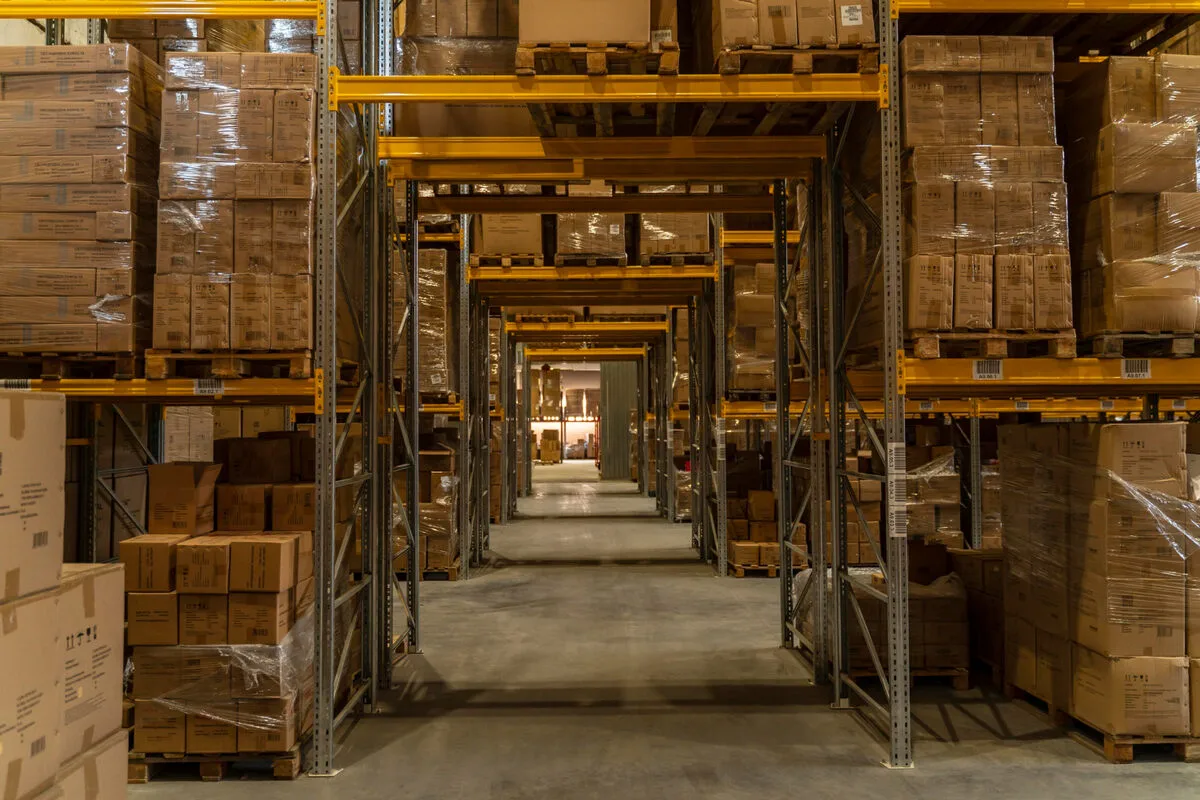
Supply chain management is the planning and control of the entire flow from the procurement of raw materials to the product reaching the end user. This flow covers not only goods but also information and money. In international literature, it is referred to by the abbreviation SCM, namely Supply Chain Management.
The links of the chain consist of the supplier, manufacturer, warehouse, distribution channel, and customer. A delay in one link is reflected exponentially to the next. For this reason, the supply chain is treated as a single integrated system, not a sum of separate departments.
The practical answer to the question of what is SCM also emerges from here: it is a balancing discipline that aims to maintain delivery speed while reducing costs. Physical infrastructure is the invisible but decisive part of this balance. Warehouse layout and rack design directly limit the speed of the flow.
What Are the Core Elements of Supply Chain Management?
The core elements of supply chain management are the planning, purchasing, production, warehousing, distribution, and return processes. These six elements feed each other; a decision made in one changes the cost of the other.
Planning starts with demand forecasting and determines the production quantity and inventory level. Purchasing, on the other hand, carries out supplier selection with price, quality, and delivery time criteria. An incorrectly calculated demand forecast appears as either excess stock or unfulfilled orders in the rest of the chain.
Production and warehousing are the two elements that carry the physical burden of the chain. The most critical indicator measured in the warehouse is inventory turnover rate, which is the average number of days a product leaves the shelf. As the turnover rate decreases, the tied-up capital and warehousing costs increase.
Distribution transports the product to the right point at an affordable cost. Return management covers the collection and re-evaluation of returned products.
What Are the Stages of Supply Chain Management?
Supply chain management stages follow a sequential flow from the emergence of demand to post-delivery. When the sequence is disrupted, time is lost, not cost.
Demand Forecasting: The required quantity is determined by analyzing past sales data and seasonal movements.
Raw Material Procurement: Supplier orders are opened, and delivery schedules and quality criteria are bound to the contract.
Production: Raw materials are transformed into the final product in the planned quantity and standard.
Warehousing: Products are protected until shipment; in high-volume operations, automated warehousing AS/RS solutions come into play at this stage.
Order Picking: Order items are collected from shelves and prepared for shipment.
Shipment and Delivery: The product is delivered to the distribution point or the customer with the chosen transport model.
Returns and Recovery: Returned products are checked and directed to resale or recycling.
The weakest link between the stages usually occurs between warehousing and order picking. When products are not placed correctly, picking time drags down the delivery performance of the entire chain.
What Is the Difference Between Supply Chain Management and Logistics Management?
Supply chain management is the umbrella covering the entire chain; logistics management is the transportation and storage function under this umbrella. In other words, every logistics process is part of the chain, but the chain is not composed of logistics alone.
Criterion | Supply Chain Management | Logistics Management |
|---|---|---|
Scope | The entire network from supplier to end user | Transportation, storage, and handling |
Focus | Efficiency and cost balance across the network | Physical movement of the product |
Parties | Supplier, manufacturer, distributor, retailer | Transporter, warehouse operator, business |
Time horizon | Long-term strategy and supplier relations | Operational, daily, and weekly planning |
Success criterion | Total cost, flexibility, delivery reliability | Delivery time, transport cost, damage rate |
In short, logistics is the execution layer of the chain. Supply chain management, on the other hand, decides by which rules this layer will operate.
In Which Industries Is Supply Chain Management Used?
Supply chain management is used in all industries that produce or distribute physical products. As the industry changes, the critical point of the chain also changes.
In automotive, the decisive factor is timing. A single part that does not arrive at the line side stops production. Therefore, stock is planned to be fed at the lowest possible level but uninterruptedly.
In food and pharmaceuticals, the priority is traceability and condition control. Breaking the cold chain renders the entire product unusable. In these warehouses holding high-volume palletized stock, pallet racking systems form the basis of the flow.
In retail and e-commerce, the chain is structured according to a large number of small orders. Seasonal fluctuation in textiles and the large variety of products in spare parts stand out. In all cases, the common point is that the layout inside the warehouse determines the order speed.
How to Choose the Right Warehouse System for Effective Supply Chain Management?
The right warehouse system is chosen by evaluating product type, inventory turnover rate, access priority, and space constraints together. Differing according to warehouse needs, racking systems produce very different capacities in the same square meter.
Product Characteristics: Weight, size, and palletizability are the first data that determine the carrying class of the system.
Rotation Rule: FIFO requires the first-in product to exit first, and LIFO requires the last-in to exit first.
Access Priority: It is clarified whether direct access to each pallet or maximum density is the priority.
Space and Height: Free height and aisle width draw the upper limit of usable capacity.
Handling Equipment: Forklift type and turning radius determine the aisle size and therefore the racking layout.
Automation Level: If order volume is high, automated solutions are evaluated instead of manual picking.
When these criteria are not considered together in the project phase, the result is costly. An incorrectly selected system can often be corrected not with a rack change but with a complete layout revision.
Contributions of Supply Chain Management to Businesses
Supply chain management provides three tangible benefits to the business: cost reduction, speed increase, and predictability. These three are not independent of each other.
The biggest item on the cost side is unnecessary stock. As demand forecasting becomes accurate, tied-up capital decreases, and the need for storage space drops. At the same time, the risk of deterioration or loss of value of the product during its shelf life also recedes.
The decisive factor on the speed side is order picking time. In a warehouse where products are positioned according to their turnover rate, the same team processes more orders per day. This shortens delivery time and reduces customer loss.
Predictability, on the other hand, is the least measured but most valuable contribution. When data from every stage of the chain is collected, supplier delays or demand spikes become foreseeable. Preventing the crisis instead of managing it is the lowest cost option in the long run.
Supply chain management is not an issue that can be reduced to a single software decision or the performance of a single department. Every stage from planning to return processes determines the operating condition of the next. When the warehouse and racking structure, which forms the physical backbone of the chain, is set up correctly, all remaining stages proceed with less friction.
Supply chain management is the planning and control of the entire flow from the procurement of raw materials to the product reaching the end user. This flow covers not only goods but also information and money. In international literature, it is referred to by the abbreviation SCM, namely Supply Chain Management.
The links of the chain consist of the supplier, manufacturer, warehouse, distribution channel, and customer. A delay in one link is reflected exponentially to the next. For this reason, the supply chain is treated as a single integrated system, not a sum of separate departments.
The practical answer to the question of what is SCM also emerges from here: it is a balancing discipline that aims to maintain delivery speed while reducing costs. Physical infrastructure is the invisible but decisive part of this balance. Warehouse layout and rack design directly limit the speed of the flow.
What Are the Core Elements of Supply Chain Management?
The core elements of supply chain management are the planning, purchasing, production, warehousing, distribution, and return processes. These six elements feed each other; a decision made in one changes the cost of the other.
Planning starts with demand forecasting and determines the production quantity and inventory level. Purchasing, on the other hand, carries out supplier selection with price, quality, and delivery time criteria. An incorrectly calculated demand forecast appears as either excess stock or unfulfilled orders in the rest of the chain.
Production and warehousing are the two elements that carry the physical burden of the chain. The most critical indicator measured in the warehouse is inventory turnover rate, which is the average number of days a product leaves the shelf. As the turnover rate decreases, the tied-up capital and warehousing costs increase.
Distribution transports the product to the right point at an affordable cost. Return management covers the collection and re-evaluation of returned products.
What Are the Stages of Supply Chain Management?
Supply chain management stages follow a sequential flow from the emergence of demand to post-delivery. When the sequence is disrupted, time is lost, not cost.
Demand Forecasting: The required quantity is determined by analyzing past sales data and seasonal movements.
Raw Material Procurement: Supplier orders are opened, and delivery schedules and quality criteria are bound to the contract.
Production: Raw materials are transformed into the final product in the planned quantity and standard.
Warehousing: Products are protected until shipment; in high-volume operations, automated warehousing AS/RS solutions come into play at this stage.
Order Picking: Order items are collected from shelves and prepared for shipment.
Shipment and Delivery: The product is delivered to the distribution point or the customer with the chosen transport model.
Returns and Recovery: Returned products are checked and directed to resale or recycling.
The weakest link between the stages usually occurs between warehousing and order picking. When products are not placed correctly, picking time drags down the delivery performance of the entire chain.
What Is the Difference Between Supply Chain Management and Logistics Management?
Supply chain management is the umbrella covering the entire chain; logistics management is the transportation and storage function under this umbrella. In other words, every logistics process is part of the chain, but the chain is not composed of logistics alone.
Criterion | Supply Chain Management | Logistics Management |
|---|---|---|
Scope | The entire network from supplier to end user | Transportation, storage, and handling |
Focus | Efficiency and cost balance across the network | Physical movement of the product |
Parties | Supplier, manufacturer, distributor, retailer | Transporter, warehouse operator, business |
Time horizon | Long-term strategy and supplier relations | Operational, daily, and weekly planning |
Success criterion | Total cost, flexibility, delivery reliability | Delivery time, transport cost, damage rate |
In short, logistics is the execution layer of the chain. Supply chain management, on the other hand, decides by which rules this layer will operate.
In Which Industries Is Supply Chain Management Used?
Supply chain management is used in all industries that produce or distribute physical products. As the industry changes, the critical point of the chain also changes.
In automotive, the decisive factor is timing. A single part that does not arrive at the line side stops production. Therefore, stock is planned to be fed at the lowest possible level but uninterruptedly.
In food and pharmaceuticals, the priority is traceability and condition control. Breaking the cold chain renders the entire product unusable. In these warehouses holding high-volume palletized stock, pallet racking systems form the basis of the flow.
In retail and e-commerce, the chain is structured according to a large number of small orders. Seasonal fluctuation in textiles and the large variety of products in spare parts stand out. In all cases, the common point is that the layout inside the warehouse determines the order speed.
How to Choose the Right Warehouse System for Effective Supply Chain Management?
The right warehouse system is chosen by evaluating product type, inventory turnover rate, access priority, and space constraints together. Differing according to warehouse needs, racking systems produce very different capacities in the same square meter.
Product Characteristics: Weight, size, and palletizability are the first data that determine the carrying class of the system.
Rotation Rule: FIFO requires the first-in product to exit first, and LIFO requires the last-in to exit first.
Access Priority: It is clarified whether direct access to each pallet or maximum density is the priority.
Space and Height: Free height and aisle width draw the upper limit of usable capacity.
Handling Equipment: Forklift type and turning radius determine the aisle size and therefore the racking layout.
Automation Level: If order volume is high, automated solutions are evaluated instead of manual picking.
When these criteria are not considered together in the project phase, the result is costly. An incorrectly selected system can often be corrected not with a rack change but with a complete layout revision.
Contributions of Supply Chain Management to Businesses
Supply chain management provides three tangible benefits to the business: cost reduction, speed increase, and predictability. These three are not independent of each other.
The biggest item on the cost side is unnecessary stock. As demand forecasting becomes accurate, tied-up capital decreases, and the need for storage space drops. At the same time, the risk of deterioration or loss of value of the product during its shelf life also recedes.
The decisive factor on the speed side is order picking time. In a warehouse where products are positioned according to their turnover rate, the same team processes more orders per day. This shortens delivery time and reduces customer loss.
Predictability, on the other hand, is the least measured but most valuable contribution. When data from every stage of the chain is collected, supplier delays or demand spikes become foreseeable. Preventing the crisis instead of managing it is the lowest cost option in the long run.
Supply chain management is not an issue that can be reduced to a single software decision or the performance of a single department. Every stage from planning to return processes determines the operating condition of the next. When the warehouse and racking structure, which forms the physical backbone of the chain, is set up correctly, all remaining stages proceed with less friction.
Frequently Asked Questions (FAQ) About Supply Chain Management
Frequently Asked Questions (FAQ) About Supply Chain Management
Frequently Asked Questions (FAQ) About Supply Chain Management
What is the role of the warehouse in supply chain management?
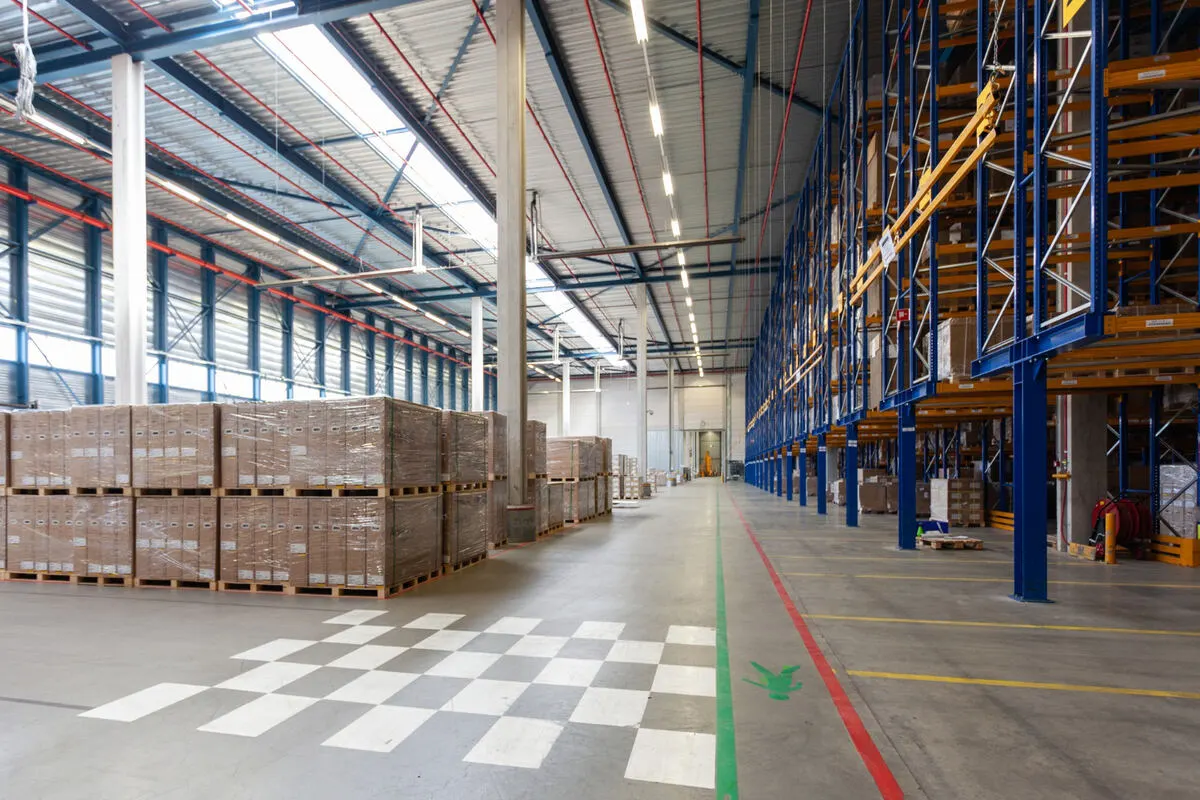
The warehouse is the buffer point of the chain between supply and demand. It balances the time difference between production and shipment, and it is the place where order picking is performed. Since the in-warehouse layout and shelving arrangement directly determine the delivery time, the warehouse is planned not as a passive storage area, but as an active operation center.
How do SCM softwares optimize the supply chain?
How to prevent supply chain disruptions?
What is the importance of 3PL services in supply chain management?
How is supply chain management structured in small-scale enterprises?


Contact
Do you want to receive more information? We have expert and reliable contact persons available for any questions, issues, and suggestions.
Reta Engineering Warehouse Racking Systems Industry and Trade Inc.
Address
Muradiye Organized Industrial Zone, 10th St. No: 30 Yunusemre / Manisa
info@retamuhendislik.com.tr