
Storage Systems: An Expense or a Competitive Advantage?
Storage Systems: An Expense or a Competitive Advantage?
Storage Systems: An Expense or a Competitive Advantage?
Are storage systems an expense or a profit center? Discover ways to reduce costs and gain a competitive advantage with the right RETA Racking systems.
Storage systems are not just a cost item; when planned correctly, they become a strategic competitive advantage that increases capacity, speeds up order processing, reduces errors, and strengthens customer satisfaction.
Are storage systems an expense or a profit center? Discover ways to reduce costs and gain a competitive advantage with the right RETA Racking systems.
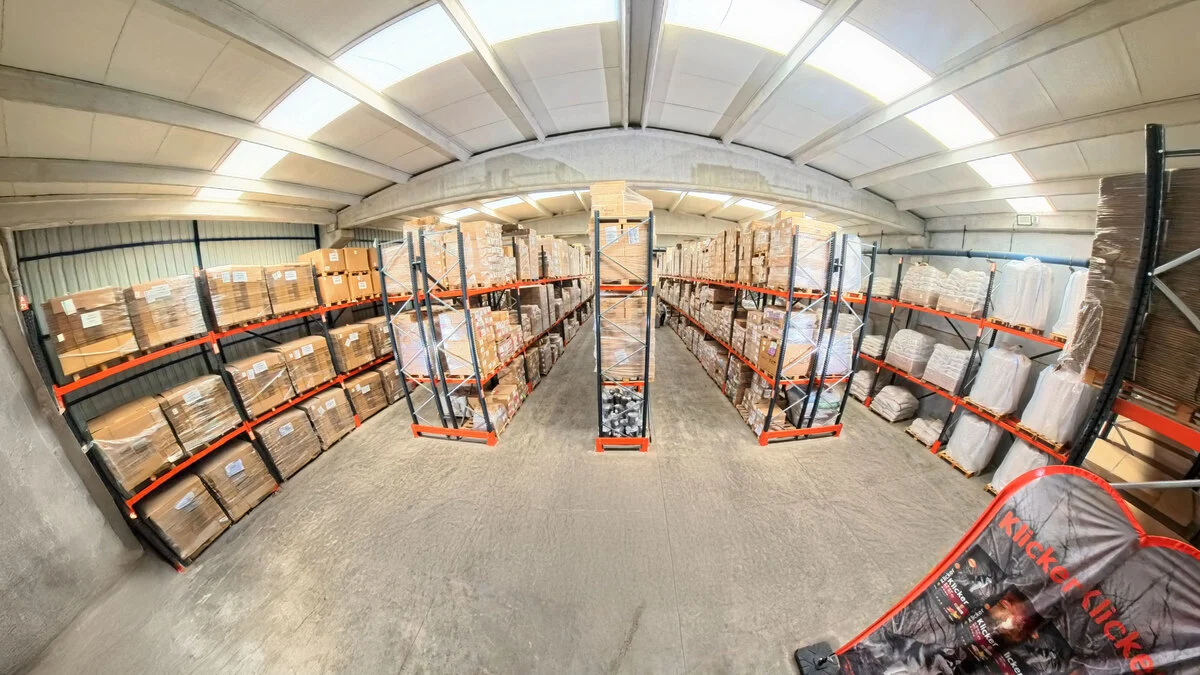
For years, warehouses were seen as the backyard of businesses, dark rooms where goods gathered dust, or mandatory spaces where stocks waiting to be disposed of "somehow" were kept. For many business owners, a warehouse was considered a burden consisting of the rent bill and electricity cost paid at the end of the month.
However, in today's world, this perspective is no longer valid. The rise of e-commerce, the expectation of "same-day delivery," and global supply chain crises have suddenly turned the warehouse into the heart of the business. A modern warehouse now serves these three critical functions:
Cash Flow Center: The place where stocks quickly turn into money.
Customer Experience Point: The first step where the product reaches the end user intact and swiftly.
Brand Reputation Fortress: The area where mistakes are prevented and operational excellence is ensured.
So, is your warehouse a costly hump on your business's back, or a silent power that gives you an edge over your competitors? The answer to this question lies in how much you invest in storage systems and how you manage the process.
Traditional View: Why is Storage Only Seen as a "Cost Item"?
In traditional trade understanding, a warehouse is a passive area where goods produced or purchased "sleep" until the moment of sale. This passive approach naturally turns the warehouse into a cost center. Because every product that waits means cash tied to a shelf. When business owners want to reduce storage costs, they usually focus first on rent or personnel salaries. However, the unseen part of the iceberg is the real point that erodes business profitability.
Unseen Costs in Warehousing: Idle Stock, Rent, and Labor Losses
The cost of a warehouse cannot be measured just by the check paid to the property owner. A poorly designed, unplanned warehouse is a mechanism that silently steals money from the business every day. These invisible costs are:
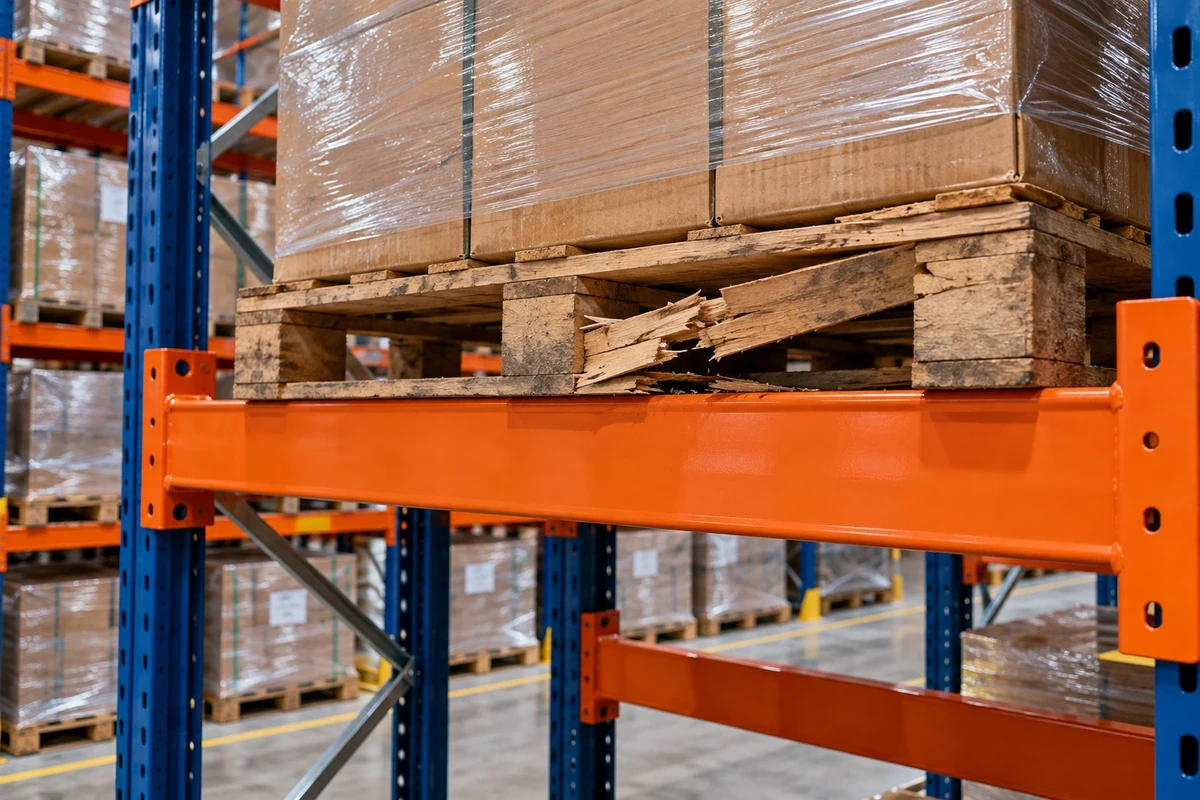
Cost of Damaged Products: Products damaged by factors such as incorrect stacking, overcompression, or moisture are money directly thrown away.
Wasted Space: Not using the vertical volume of the warehouse but only spreading on the floor means you're paying rent for unused air space.
Inefficient Labor: In a disorganized warehouse, 60% of an order picker's time is spent walking, with only 20% doing actual work.
Energy Losses: Unnecessary maneuvers by forklifts due to poor layout increase fuel or energy expenses.
The 'Operational Blindness' Created by Manual Processes in Warehousing
The approach of "Excel sheets suffice for us" or "Warehouseman Mr. Ahmet knows every product's location by heart" is the biggest trap for businesses. Manual processes and memory-based management create "operational blindness."
These issues become chronic in a manually managed warehouse:
Not knowing exactly where stocks are.
Not being able to track which product's expiration date is approaching.
Closing sales to customers by thinking an existing product is "out of stock."
Purchasing departments placing duplicate orders unnecessarily.
This chaos environment traps the business into a structure constantly putting out fires, lacking vision.
Transition from Cost to Profit: What Do Correct Storage Systems Change?
The way to transform a warehouse from a cost center to a profit-generating mechanism is through proper infrastructure and technology investment. This transformation begins with understanding that a warehouse is not just four walls, but the internal system (racks, software, equipment) creates the real value.
An optimized warehouse provides gains in three basic areas for the business:
Capacity Increase: Up to 100% more storage capacity in the existing space.
Operational Speed: Radical reductions in order preparation times.
High Quality: Error rates approaching zero.
Space Optimization: Getting Maximum Efficiency from Existing Square Meters
The most rational way to reduce costs is not to move to a larger warehouse, but to use the existing volume down to the last millimeter. Warehouses are usually thought of in square meters (base area), but the real potential lies in cubic meters (volume) calculations.
At this point, selecting the right system is of critical importance:
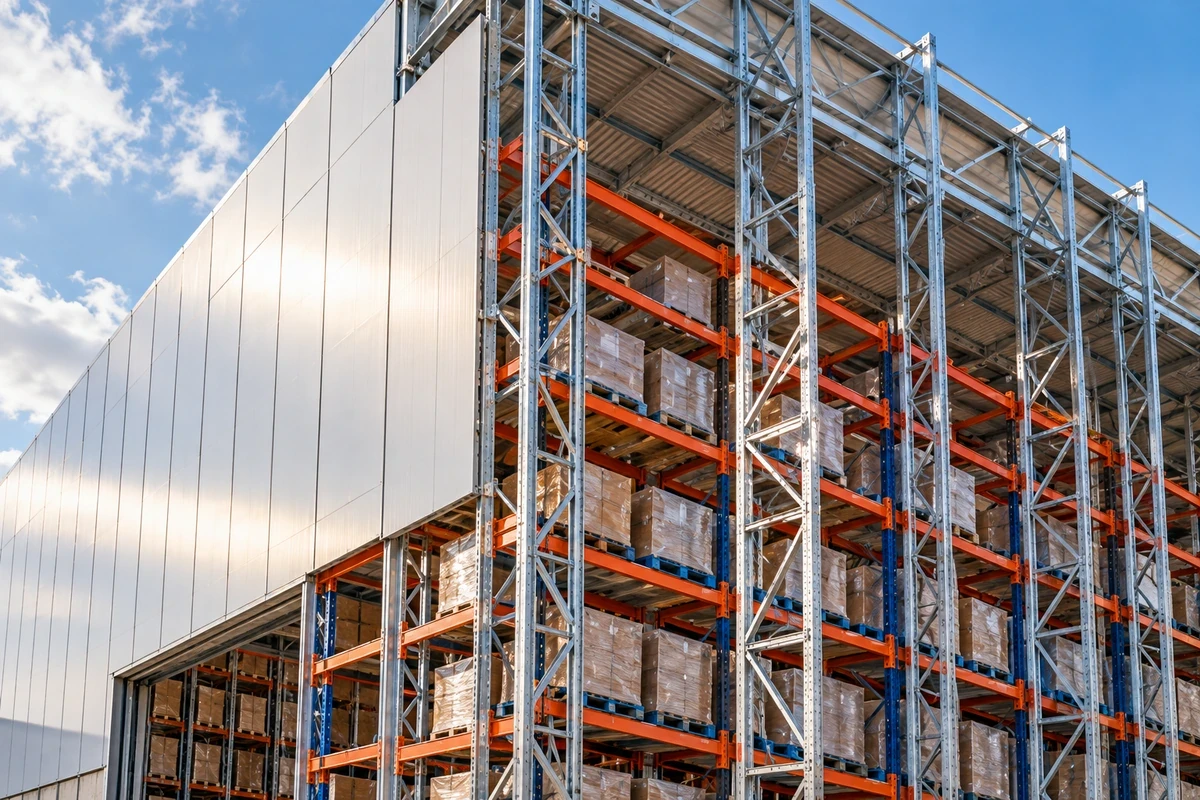
Vertical Expansion: If ceiling height is suitable, mezzanine systems can be used to create independent floors within the warehouse. This is the most practical way to double the usable area without incurring rent or construction costs. Another method without construction cost is cladded rack systems. By using rack materials with their own roof and side construction, the need to build a separate warehouse building is eliminated.
Access and Density Balance: Using back-to-back rack systems for pallet loading provides 100% access to each pallet while maximizing vertical storage capacity.
Traffic Arrangement: Proper rack layout prevents forklifts from getting stuck in aisles and avoids accidents.
The Power of Smart Warehouse Management Systems (WMS) and Automation
Technology is the most powerful patch to cover the "black holes" in your warehouse. Smart Warehouse Management Systems (WMS) record every movement from the moment the product enters the warehouse gate to when it is loaded onto the shipping vehicle.
Automation is the key to operational speed. Especially in high-volume and error-free operations, the use of automated storage and retrieval systems (AS/RS) completely transforms processes:
Completely eliminates human error.
Operates safely at heights up to 40 meters.
Operates in the dark 24/7 uninterruptedly.
Takes stock accuracy to 99.9%.
Warehousing as a Competitive Advantage: Speed and Precision
Today's customer, whether an end user (B2C) or a commercial business (B2B), cannot tolerate waiting. The rule of "fast wins" operates mercilessly in logistics. Your warehousing system is the sole factor that determines the time (Lead Time) between when the order reaches the screen and when it is dispatched.
Customer Loyalty with Fast Order Picking
Order picking constitutes about 55% of warehouse operating costs. Every second gained here directly impacts profitability.
Shuttle rack systems used to increase picking speed offer these advantages:
Maximum Speed: Radio-controlled shuttle devices bring pallets to the operator; the operator does not lose time in the aisle.
Deep Stacking: Increases space efficiency.
Work Safety: Reduces the risk of accidents as forklifts do not need to enter rack tunnels.
Fast delivery is the cornerstone of customer loyalty. Who finds the product fast, packs it fast; who packs fast, delivers it to the customer on the promised time.
Reducing Erroneous Shipments to Zero
Sending the wrong product costs more than just the shipping fee. The reverse logistics process, as we call it, charges the business with the following fees:
Operational cost 3 times more than fetching and sending the product from the shelf.
Packaging and repacking costs.
Disposal of damaged products as scrap.
Customer dissatisfaction and loss of brand reputation.
For an error-free operation, the area and the product must be very well defined. Especially in warehouses with a high variety of SKUs but limited space, a narrow aisle racking system is lifesaving. Known as VNA (Very Narrow Aisle), this system narrows aisles, increases capacity, and minimizes the risk of error by clearly defining each product's address.
Return on Investment (ROI) Analysis: When Does Technology Pay for Itself?
Many business managers see the transition to modern warehousing systems as an expensive adventure. However, the data says otherwise. The hidden costs of a manual and inefficient warehouse are much higher than the installments of a modern system.
In ROI analyses, the payback period for a well-planned rack and automation system is typically between 18 to 36 months.
The following table clearly reveals the financial and operational difference of an optimized warehouse:
Criteria | Traditional / Manual Warehouse | Optimized / Modern Warehouse |
Storage Capacity | Low (60% Volume Loss) | High (95% Volume Utilization) |
Order Picking Speed | 20-30 Lines per Hour | 100+ Lines per Hour |
Stock Accuracy | 85% - 90% | 99.9% |
Personnel Dependency | High (Memory-based) | Low (System-based) |
Error Cost | 3-5% of Turnover | Negligible |
A Moment for Strategic Decision
In conclusion, storage systems are not a cost item; they are a strategic investment that creates competitive advantage, increases customer loyalty, and accelerates cash flow. Competing in today's market with traditional methods, idle stocks, and slow processes is like participating in a race with the handbrake pulled.
Turning your warehouse from just "where goods stand" to "the engine of your business" is in your hands. What you need is not just to buy racks but a proper engineering solution that analyzes your space, process, and goals.
For years, warehouses were seen as the backyard of businesses, dark rooms where goods gathered dust, or mandatory spaces where stocks waiting to be disposed of "somehow" were kept. For many business owners, a warehouse was considered a burden consisting of the rent bill and electricity cost paid at the end of the month.
However, in today's world, this perspective is no longer valid. The rise of e-commerce, the expectation of "same-day delivery," and global supply chain crises have suddenly turned the warehouse into the heart of the business. A modern warehouse now serves these three critical functions:
Cash Flow Center: The place where stocks quickly turn into money.
Customer Experience Point: The first step where the product reaches the end user intact and swiftly.
Brand Reputation Fortress: The area where mistakes are prevented and operational excellence is ensured.
So, is your warehouse a costly hump on your business's back, or a silent power that gives you an edge over your competitors? The answer to this question lies in how much you invest in storage systems and how you manage the process.
Traditional View: Why is Storage Only Seen as a "Cost Item"?
In traditional trade understanding, a warehouse is a passive area where goods produced or purchased "sleep" until the moment of sale. This passive approach naturally turns the warehouse into a cost center. Because every product that waits means cash tied to a shelf. When business owners want to reduce storage costs, they usually focus first on rent or personnel salaries. However, the unseen part of the iceberg is the real point that erodes business profitability.
Unseen Costs in Warehousing: Idle Stock, Rent, and Labor Losses
The cost of a warehouse cannot be measured just by the check paid to the property owner. A poorly designed, unplanned warehouse is a mechanism that silently steals money from the business every day. These invisible costs are:
Cost of Damaged Products: Products damaged by factors such as incorrect stacking, overcompression, or moisture are money directly thrown away.
Wasted Space: Not using the vertical volume of the warehouse but only spreading on the floor means you're paying rent for unused air space.
Inefficient Labor: In a disorganized warehouse, 60% of an order picker's time is spent walking, with only 20% doing actual work.
Energy Losses: Unnecessary maneuvers by forklifts due to poor layout increase fuel or energy expenses.
The 'Operational Blindness' Created by Manual Processes in Warehousing
The approach of "Excel sheets suffice for us" or "Warehouseman Mr. Ahmet knows every product's location by heart" is the biggest trap for businesses. Manual processes and memory-based management create "operational blindness."
These issues become chronic in a manually managed warehouse:
Not knowing exactly where stocks are.
Not being able to track which product's expiration date is approaching.
Closing sales to customers by thinking an existing product is "out of stock."
Purchasing departments placing duplicate orders unnecessarily.
This chaos environment traps the business into a structure constantly putting out fires, lacking vision.
Transition from Cost to Profit: What Do Correct Storage Systems Change?
The way to transform a warehouse from a cost center to a profit-generating mechanism is through proper infrastructure and technology investment. This transformation begins with understanding that a warehouse is not just four walls, but the internal system (racks, software, equipment) creates the real value.
An optimized warehouse provides gains in three basic areas for the business:
Capacity Increase: Up to 100% more storage capacity in the existing space.
Operational Speed: Radical reductions in order preparation times.
High Quality: Error rates approaching zero.
Space Optimization: Getting Maximum Efficiency from Existing Square Meters
The most rational way to reduce costs is not to move to a larger warehouse, but to use the existing volume down to the last millimeter. Warehouses are usually thought of in square meters (base area), but the real potential lies in cubic meters (volume) calculations.
At this point, selecting the right system is of critical importance:
Vertical Expansion: If ceiling height is suitable, mezzanine systems can be used to create independent floors within the warehouse. This is the most practical way to double the usable area without incurring rent or construction costs. Another method without construction cost is cladded rack systems. By using rack materials with their own roof and side construction, the need to build a separate warehouse building is eliminated.
Access and Density Balance: Using back-to-back rack systems for pallet loading provides 100% access to each pallet while maximizing vertical storage capacity.
Traffic Arrangement: Proper rack layout prevents forklifts from getting stuck in aisles and avoids accidents.
The Power of Smart Warehouse Management Systems (WMS) and Automation
Technology is the most powerful patch to cover the "black holes" in your warehouse. Smart Warehouse Management Systems (WMS) record every movement from the moment the product enters the warehouse gate to when it is loaded onto the shipping vehicle.
Automation is the key to operational speed. Especially in high-volume and error-free operations, the use of automated storage and retrieval systems (AS/RS) completely transforms processes:
Completely eliminates human error.
Operates safely at heights up to 40 meters.
Operates in the dark 24/7 uninterruptedly.
Takes stock accuracy to 99.9%.
Warehousing as a Competitive Advantage: Speed and Precision
Today's customer, whether an end user (B2C) or a commercial business (B2B), cannot tolerate waiting. The rule of "fast wins" operates mercilessly in logistics. Your warehousing system is the sole factor that determines the time (Lead Time) between when the order reaches the screen and when it is dispatched.
Customer Loyalty with Fast Order Picking
Order picking constitutes about 55% of warehouse operating costs. Every second gained here directly impacts profitability.
Shuttle rack systems used to increase picking speed offer these advantages:
Maximum Speed: Radio-controlled shuttle devices bring pallets to the operator; the operator does not lose time in the aisle.
Deep Stacking: Increases space efficiency.
Work Safety: Reduces the risk of accidents as forklifts do not need to enter rack tunnels.
Fast delivery is the cornerstone of customer loyalty. Who finds the product fast, packs it fast; who packs fast, delivers it to the customer on the promised time.
Reducing Erroneous Shipments to Zero
Sending the wrong product costs more than just the shipping fee. The reverse logistics process, as we call it, charges the business with the following fees:
Operational cost 3 times more than fetching and sending the product from the shelf.
Packaging and repacking costs.
Disposal of damaged products as scrap.
Customer dissatisfaction and loss of brand reputation.
For an error-free operation, the area and the product must be very well defined. Especially in warehouses with a high variety of SKUs but limited space, a narrow aisle racking system is lifesaving. Known as VNA (Very Narrow Aisle), this system narrows aisles, increases capacity, and minimizes the risk of error by clearly defining each product's address.
Return on Investment (ROI) Analysis: When Does Technology Pay for Itself?
Many business managers see the transition to modern warehousing systems as an expensive adventure. However, the data says otherwise. The hidden costs of a manual and inefficient warehouse are much higher than the installments of a modern system.
In ROI analyses, the payback period for a well-planned rack and automation system is typically between 18 to 36 months.
The following table clearly reveals the financial and operational difference of an optimized warehouse:
Criteria | Traditional / Manual Warehouse | Optimized / Modern Warehouse |
Storage Capacity | Low (60% Volume Loss) | High (95% Volume Utilization) |
Order Picking Speed | 20-30 Lines per Hour | 100+ Lines per Hour |
Stock Accuracy | 85% - 90% | 99.9% |
Personnel Dependency | High (Memory-based) | Low (System-based) |
Error Cost | 3-5% of Turnover | Negligible |
A Moment for Strategic Decision
In conclusion, storage systems are not a cost item; they are a strategic investment that creates competitive advantage, increases customer loyalty, and accelerates cash flow. Competing in today's market with traditional methods, idle stocks, and slow processes is like participating in a race with the handbrake pulled.
Turning your warehouse from just "where goods stand" to "the engine of your business" is in your hands. What you need is not just to buy racks but a proper engineering solution that analyzes your space, process, and goals.
Frequently Asked Questions (FAQs) About Storage Efficiency and System Selection
Frequently Asked Questions (FAQs) About Storage Efficiency and System Selection
Frequently Asked Questions (FAQs) About Storage Efficiency and System Selection
I have a small warehouse, should I still set up a rack system?
Yes, definitely. In fact, because small warehouses cannot afford to lose space, setting up a shelving system is more critical than for larger warehouses. By using vertical space, you can gain efficiency from a 100-square-meter warehouse as if it were 250-300 square meters. This saves you from the cost of moving to a larger and more expensive place.
When is the best time to switch to warehouse automation?
Is it sensible to install shelving systems in rental warehouses?
Is it safe to buy a second-hand racking system?
How do I know which shelving system is suitable for me?

Contact
Do you want to receive more information? We have expert and reliable contact persons available for any questions, issues, and suggestions.
Reta Engineering Warehouse Racking Systems Industry and Trade Inc.
Address
Muradiye Organized Industrial Zone, 10th St. No: 30 Yunusemre / Manisa
info@retamuhendislik.com.tr