
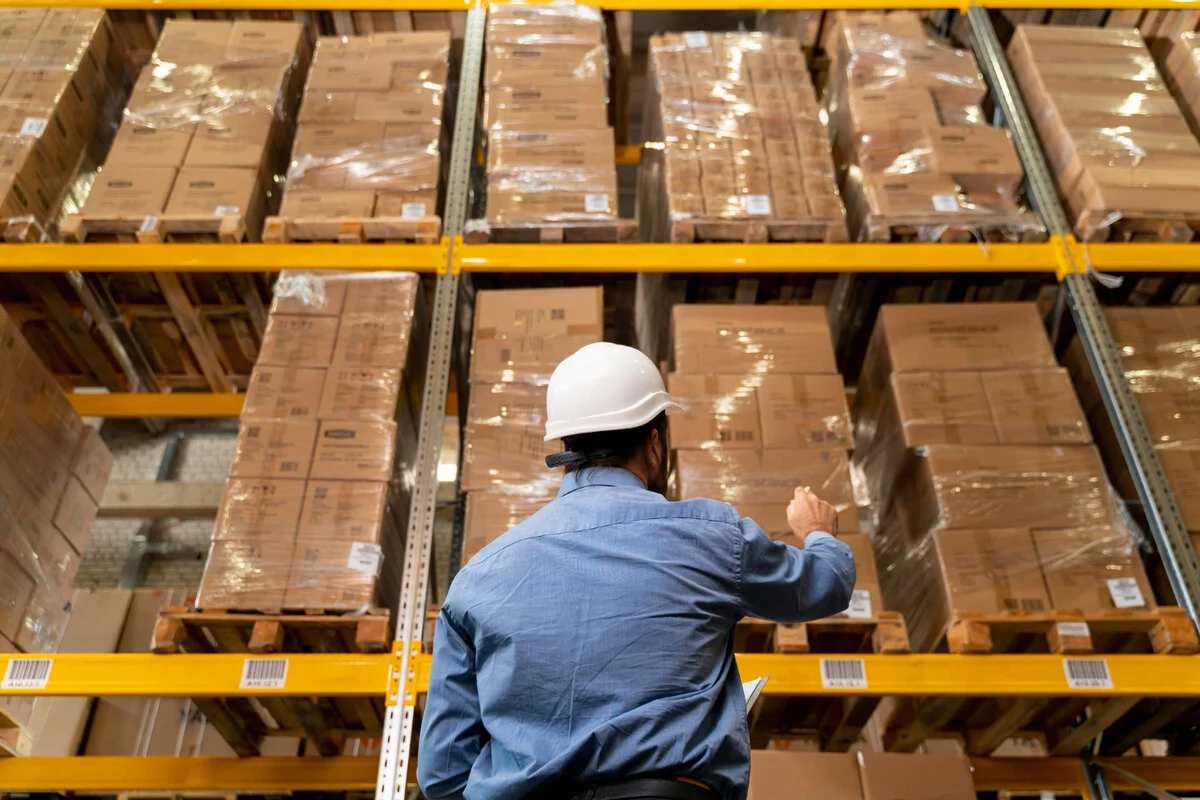
How Does FIFO Work in a Warehouse?
How Does FIFO Work in a Warehouse?
How Does FIFO Work in a Warehouse?
How does FIFO work in the warehouse, which shelving systems is it compatible with, and how does it contribute to stock rotation? Review the guide now.
How does FIFO work in the warehouse, which shelving systems is it compatible with, and how does it contribute to stock rotation? Review the guide now.
FIFO is a inventory management method based on the principle that the first product entering the warehouse is the first to leave. It controls the waiting time of products, regulates stock rotation, and makes the shipping sequence more predictable.
In warehouse operations, when a product is put on the shelf and in what order it is shipped directly affects cost, quality, and delivery performance. Therefore, FIFO is not just a "bring out the old product first" rule. It is a process that must work together with the correct racking system, clear labeling, warehouse management software, and field discipline.
How is FIFO Applied in a Warehouse?
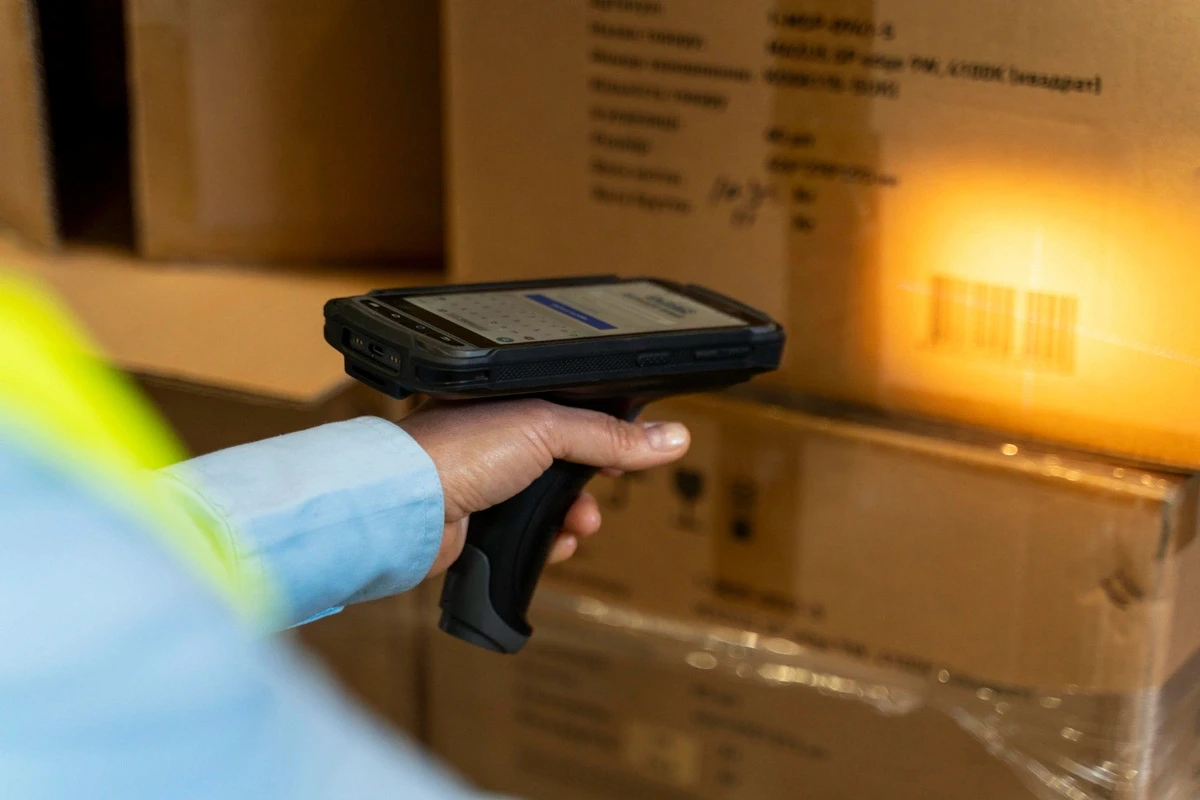
In FIFO application, the product flow must proceed in a planned manner from goods receipt to shipment. When the product enters the warehouse, the receipt date, lot information, location code, and product information are clearly recorded. At the shipping stage, products that entered the warehouse first are shipped on a priority basis.
FIFO can be applied in warehouses with two basic approaches:
Operational FIFO is the structure where the product dispatch order is managed by software, labeling, and staff discipline. This method can be applied in a more controlled manner in racking systems where direct access is provided to each pallet.
Physical FIFO is the method where the product flow is guided by the structure of the racking system. The product is loaded from one side and retrieved from the other. Thus, the first product to enter naturally becomes the first product to leave.
Criterion | Operational FIFO | Physical FIFO |
Element ensuring flow | Software and field discipline | Structure of the racking system |
Suitable racking structure | Direct access racks | Systems providing dynamic flow |
Error risk | Depends on staff execution | Decreases with system design |
Suitable operation | Low and medium turnover warehouses | High-turnover pallet flow |
Need for control | Requires regular inspection | Flow proceeds in a more standardized way |
The same FIFO method is not right for every business. The most suitable flow must be determined by considering the product type, pallet size, number of SKUs, order frequency, and warehouse traffic.
What are the Advantages of FIFO?
When applied correctly, FIFO reduces product loss and preserves stock quality. Since products that enter the warehouse first are shipped first, forgetting old stocks, product expiration, or loss of value can be prevented.
Prominent advantages of the FIFO system:
Reduces product loss.
Helps maintain stock quality.
Facilitates lot, batch, and production date tracking.
Increases counting accuracy.
Clarifies the product dispatch sequence for staff.
Can lower waste, return, and idle stock costs.
For these advantages to be sustainable, FIFO must not only be defined in the software. The racking system, forklift traffic, aisle width, labeling standard, and warehouse layout must be planned according to the same principle. Otherwise, even if the system looks correct in theory, incorrect product dispatch and the need for manual correction may arise in the field.
Why is FIFO Important?
FIFO is an important method for product safety and cost control in warehouse management. A product waiting for a long time in the warehouse creates an invisible cost for the business. This cost sometimes appears as waste, sometimes as returns, and sometimes as old stock not suitable for sale.
The first-in, first-out principle controls this risk at the level of inventory flow. Since products move according to their entry sequence, the possibility of old batches, forgotten pallets, or wrong shipments decreases. This structure is important for quality control, auditing, and customer order accuracy.
FIFO also affects working capital management. A product waiting in the warehouse for a long time means capital remains tied up on the shelf. A warehouse operating with regular rotation increases inventory turnover speed and makes space utilization more efficient.
The difference between FIFO and FEFO must also be correctly understood here. FIFO is based on the entry order of the product into the warehouse. FEFO, on the other hand, aims to ship the product with the closest expiration date first. In sectors where expiration date management is critical, such as food and pharmaceuticals, FEFO may be more suitable. In some businesses, FIFO and FEFO are evaluated together.

Which Racking Systems Does FIFO Work More Compatibly With?
FIFO success is directly related to the selected racking system. Not every racking system supports the same product flow. Therefore, when choosing a rack, not only capacity but also the stock rotation target must be looked at.
In structures where direct access to each pallet is provided, a back-to-back racking system can be a suitable solution for operational FIFO. In this system, the product dispatch sequence is controlled by software and location management.
In warehouses with denser pallet flow, a pallet flow racking system offers a structure closer to the physical FIFO logic. Since products are loaded from one side and retrieved from the other, the entry and exit direction proceeds more clearly.
In high warehouses where space efficiency is important, a narrow aisle racking system can be considered. However, in this structure, FIFO success must be handled together with location management, forklift type, aisle plan, and product access frequency.
When the wrong racking system is selected, capacity may increase; but stock rotation may not work in the targeted order. Therefore, in warehouses with a FIFO target, the selection of the racking system must be made with engineering calculations.
For Which Sectors is FIFO Suitable?
FIFO is not a method used only in food warehouses. It can be applied in many sectors where shelf life, lot traceability, quality standard, model obsolescence, or loss of value exists.
FIFO especially stands out in the following areas:
Food and beverage warehouses
Pharmaceutical and medical product warehouses
Cosmetic and chemical sector
Fast-moving consumer goods
Production facilities
Electronic and technology products
Automotive and spare parts warehouses
Retail and distribution centers
In production facilities, FIFO regulates the flow of raw materials and semi-finished products. In logistics centers, it supports customer-based stock separation and delivery accuracy. In retail warehouses, it facilitates campaign, season, and product rotation management.
What Should Be Considered in FIFO Application?
Success in FIFO application is not achieved solely by arranging products in chronological order. Intra-warehouse flow, labeling, software, equipment use, and staff discipline must be planned together.
Things to consider:
The racking system must be selected in accordance with the product flow.
Pallet size, product weight, and packaging structure must be clarified.
Floor suitability and installation safety must be checked.
Entry date, lot number, and location code must be fully labeled.
The location in the warehouse management software and the rack layout in the field must match.
Staff must be regularly informed about the FIFO rule.
Low and high turnover products should not be managed with the same strategy.
One of the common mistakes is using the wrong racking system in a warehouse with a FIFO target. Another mistake is seeing the software installation as sufficient and neglecting the physical flow in the field. Unreadable labels, mixed up location codes, or incorrectly planned forklift routes also reduce FIFO efficiency.
What Does FIFO Provide When Correctly Structured in a Warehouse?
FIFO is a powerful method that preserves stock quality, reduces product loss, and makes warehouse operations more controlled. However, for a successful FIFO structure, racking system selection, engineering calculations, project design, installation, warehouse software, and field discipline must be evaluated together.
A correctly structured FIFO setup prevents the accumulation of old stock in the warehouse, regulates product movements, and makes the shipping process more reliable. In this way, businesses can both manage their inventory costs better and provide a more consistent performance in customer deliveries.
FIFO is a inventory management method based on the principle that the first product entering the warehouse is the first to leave. It controls the waiting time of products, regulates stock rotation, and makes the shipping sequence more predictable.
In warehouse operations, when a product is put on the shelf and in what order it is shipped directly affects cost, quality, and delivery performance. Therefore, FIFO is not just a "bring out the old product first" rule. It is a process that must work together with the correct racking system, clear labeling, warehouse management software, and field discipline.
How is FIFO Applied in a Warehouse?
In FIFO application, the product flow must proceed in a planned manner from goods receipt to shipment. When the product enters the warehouse, the receipt date, lot information, location code, and product information are clearly recorded. At the shipping stage, products that entered the warehouse first are shipped on a priority basis.
FIFO can be applied in warehouses with two basic approaches:
Operational FIFO is the structure where the product dispatch order is managed by software, labeling, and staff discipline. This method can be applied in a more controlled manner in racking systems where direct access is provided to each pallet.
Physical FIFO is the method where the product flow is guided by the structure of the racking system. The product is loaded from one side and retrieved from the other. Thus, the first product to enter naturally becomes the first product to leave.
Criterion | Operational FIFO | Physical FIFO |
Element ensuring flow | Software and field discipline | Structure of the racking system |
Suitable racking structure | Direct access racks | Systems providing dynamic flow |
Error risk | Depends on staff execution | Decreases with system design |
Suitable operation | Low and medium turnover warehouses | High-turnover pallet flow |
Need for control | Requires regular inspection | Flow proceeds in a more standardized way |
The same FIFO method is not right for every business. The most suitable flow must be determined by considering the product type, pallet size, number of SKUs, order frequency, and warehouse traffic.
What are the Advantages of FIFO?
When applied correctly, FIFO reduces product loss and preserves stock quality. Since products that enter the warehouse first are shipped first, forgetting old stocks, product expiration, or loss of value can be prevented.
Prominent advantages of the FIFO system:
Reduces product loss.
Helps maintain stock quality.
Facilitates lot, batch, and production date tracking.
Increases counting accuracy.
Clarifies the product dispatch sequence for staff.
Can lower waste, return, and idle stock costs.
For these advantages to be sustainable, FIFO must not only be defined in the software. The racking system, forklift traffic, aisle width, labeling standard, and warehouse layout must be planned according to the same principle. Otherwise, even if the system looks correct in theory, incorrect product dispatch and the need for manual correction may arise in the field.
Why is FIFO Important?
FIFO is an important method for product safety and cost control in warehouse management. A product waiting for a long time in the warehouse creates an invisible cost for the business. This cost sometimes appears as waste, sometimes as returns, and sometimes as old stock not suitable for sale.
The first-in, first-out principle controls this risk at the level of inventory flow. Since products move according to their entry sequence, the possibility of old batches, forgotten pallets, or wrong shipments decreases. This structure is important for quality control, auditing, and customer order accuracy.
FIFO also affects working capital management. A product waiting in the warehouse for a long time means capital remains tied up on the shelf. A warehouse operating with regular rotation increases inventory turnover speed and makes space utilization more efficient.
The difference between FIFO and FEFO must also be correctly understood here. FIFO is based on the entry order of the product into the warehouse. FEFO, on the other hand, aims to ship the product with the closest expiration date first. In sectors where expiration date management is critical, such as food and pharmaceuticals, FEFO may be more suitable. In some businesses, FIFO and FEFO are evaluated together.
Which Racking Systems Does FIFO Work More Compatibly With?
FIFO success is directly related to the selected racking system. Not every racking system supports the same product flow. Therefore, when choosing a rack, not only capacity but also the stock rotation target must be looked at.
In structures where direct access to each pallet is provided, a back-to-back racking system can be a suitable solution for operational FIFO. In this system, the product dispatch sequence is controlled by software and location management.
In warehouses with denser pallet flow, a pallet flow racking system offers a structure closer to the physical FIFO logic. Since products are loaded from one side and retrieved from the other, the entry and exit direction proceeds more clearly.
In high warehouses where space efficiency is important, a narrow aisle racking system can be considered. However, in this structure, FIFO success must be handled together with location management, forklift type, aisle plan, and product access frequency.
When the wrong racking system is selected, capacity may increase; but stock rotation may not work in the targeted order. Therefore, in warehouses with a FIFO target, the selection of the racking system must be made with engineering calculations.
For Which Sectors is FIFO Suitable?
FIFO is not a method used only in food warehouses. It can be applied in many sectors where shelf life, lot traceability, quality standard, model obsolescence, or loss of value exists.
FIFO especially stands out in the following areas:
Food and beverage warehouses
Pharmaceutical and medical product warehouses
Cosmetic and chemical sector
Fast-moving consumer goods
Production facilities
Electronic and technology products
Automotive and spare parts warehouses
Retail and distribution centers
In production facilities, FIFO regulates the flow of raw materials and semi-finished products. In logistics centers, it supports customer-based stock separation and delivery accuracy. In retail warehouses, it facilitates campaign, season, and product rotation management.
What Should Be Considered in FIFO Application?
Success in FIFO application is not achieved solely by arranging products in chronological order. Intra-warehouse flow, labeling, software, equipment use, and staff discipline must be planned together.
Things to consider:
The racking system must be selected in accordance with the product flow.
Pallet size, product weight, and packaging structure must be clarified.
Floor suitability and installation safety must be checked.
Entry date, lot number, and location code must be fully labeled.
The location in the warehouse management software and the rack layout in the field must match.
Staff must be regularly informed about the FIFO rule.
Low and high turnover products should not be managed with the same strategy.
One of the common mistakes is using the wrong racking system in a warehouse with a FIFO target. Another mistake is seeing the software installation as sufficient and neglecting the physical flow in the field. Unreadable labels, mixed up location codes, or incorrectly planned forklift routes also reduce FIFO efficiency.
What Does FIFO Provide When Correctly Structured in a Warehouse?
FIFO is a powerful method that preserves stock quality, reduces product loss, and makes warehouse operations more controlled. However, for a successful FIFO structure, racking system selection, engineering calculations, project design, installation, warehouse software, and field discipline must be evaluated together.
A correctly structured FIFO setup prevents the accumulation of old stock in the warehouse, regulates product movements, and makes the shipping process more reliable. In this way, businesses can both manage their inventory costs better and provide a more consistent performance in customer deliveries.
Frequently Asked Questions (FAQ) About FIFO
Frequently Asked Questions (FAQ) About FIFO
Frequently Asked Questions (FAQ) About FIFO
Can FIFO also be applied in small warehouses?
Yes, FIFO can also be applied in small warehouses. Even if the number of products is small, the entry date, shelf location, and exit order must be regularly tracked.
What is the difference between FIFO and LIFO?
Can FIFO be tracked manually?
What happens if FIFO is applied incorrectly?
Why is labeling important for FIFO?



Contact
Do you want to receive more information? We have expert and reliable contact persons available for any questions, issues, and suggestions.
Reta Engineering Warehouse Racking Systems Industry and Trade Inc.
Address
Muradiye Organized Industrial Zone, 10th St. No: 30 Yunusemre / Manisa
info@retamuhendislik.com.tr