

What is Kanban?
What is Kanban?
What is Kanban?
Kanban is a scheduling method that manages material flow through visual signals. Replenishment is based on actual consumption rather than forecasting, and the signal is carried by the kanban card. Production, withdrawal, and supplier kanban are its main types. The number of cards determines the inventory ceiling, while the bin size and loop frequency determine the shelf selection.
What is Kanban, how does the Kanban technique work, and what is a Kanban card used for? Its types, line feeding usage, and selection of the appropriate racking system are in this guide.
Kanban is a scheduling method that manages material flow through visual signals. Replenishment is based on actual consumption rather than forecasting, and the signal is carried by the kanban card. Production, withdrawal, and supplier kanban are its main types. The number of cards determines the inventory ceiling, while the bin size and loop frequency determine the shelf selection.
Kanban is a scheduling method that manages material flow in production and warehouse processes using visual signals.
The defining point of the method is where the replenishment decision originates. Material is replenished based on actual consumption, not on forecasts.
The workflow is based on the logic of a pull system. As the line needs it, the demand is transmitted to the previous step; no one produces in advance.
The tool carrying the signal is the kanban card. The card shows which part, how much, and where it is needed.
How Does the Kanban System Work?
The kanban system works with a closed loop that replaces only as much of the consumed material as has been consumed. The loop is completed in five steps.
Consumption Begins: The operator on the line starts using the parts in the box. No signal is generated until the box is empty.
The Card is Released: When the box is empty, the card on it is detached. This card now turns into a demand document.
The Demand is Transmitted: The card is sent to the previous step or warehouse where the material came from. The order quantity is written on the card.
Replenishment is Done: The relevant unit prepares only the quantity written on the card. More is not produced or sent.
The Loop Closes: The full box returns to the line with its card. The system returns to its starting state.
The healthy functioning of the loop depends on keeping the number of cards constant. The total cards in the system determine the maximum inventory amount in circulation.
Unless a new card is added, the inventory cannot grow on its own. The inventory ceiling is limited by the number of cards, which is the most defining feature of the method.
What Are the Kanban Types?
Kanban types differ based on which action the card triggers. More than one type can be used simultaneously in a facility.
Type | Triggered action | Typical application area |
|---|---|---|
Production kanban | Manufacturing order at the previous station | In-line production flow |
Withdrawal kanban | Moving material from warehouse to line | Replenishment between warehouse and production |
Supplier kanban | Placing an order with an external supplier | Subcontracting and purchasing parts |
Signal kanban | Production in a specific batch size | In presses requiring mold changes |
Emergency kanban | Additional demand after scrap or breakdown | On lines experiencing unexpected losses |
The number of types increases the complexity of the system. In most facilities, production and withdrawal cards together provide sufficient results.
How is Kanban Used in Warehouse and Production Line Replenishment?
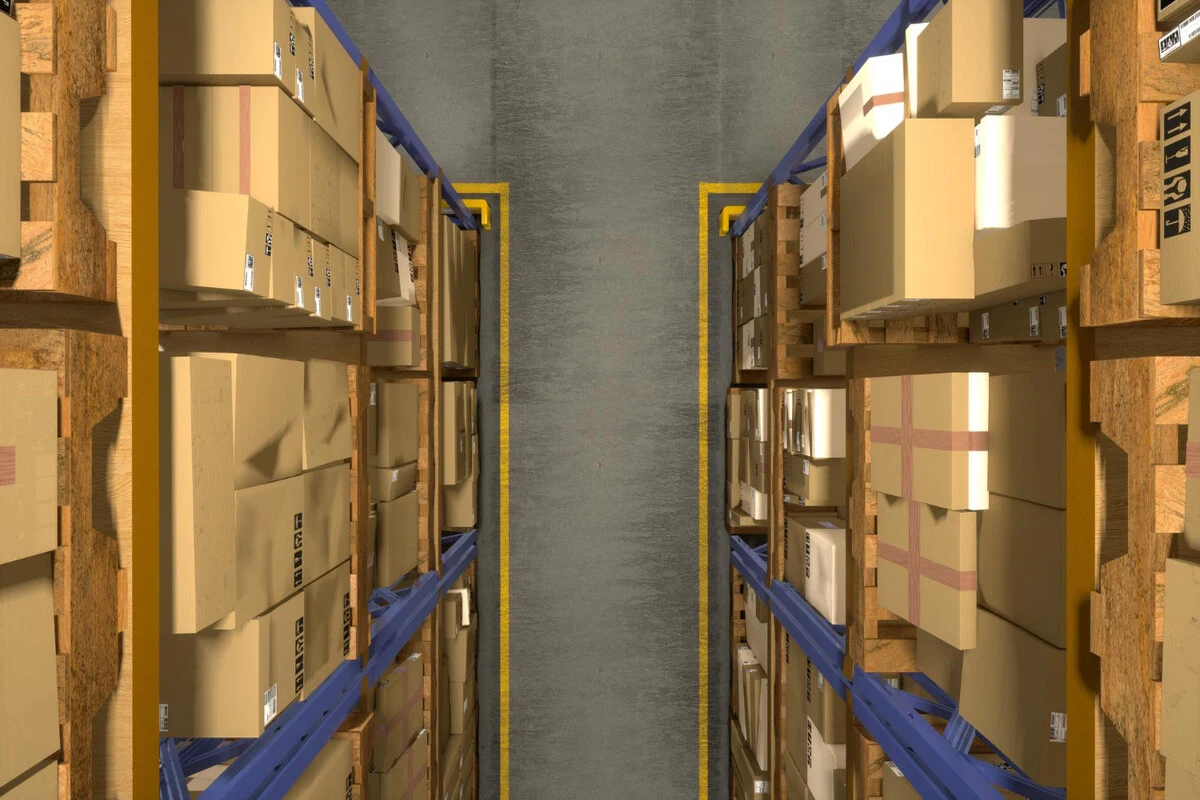
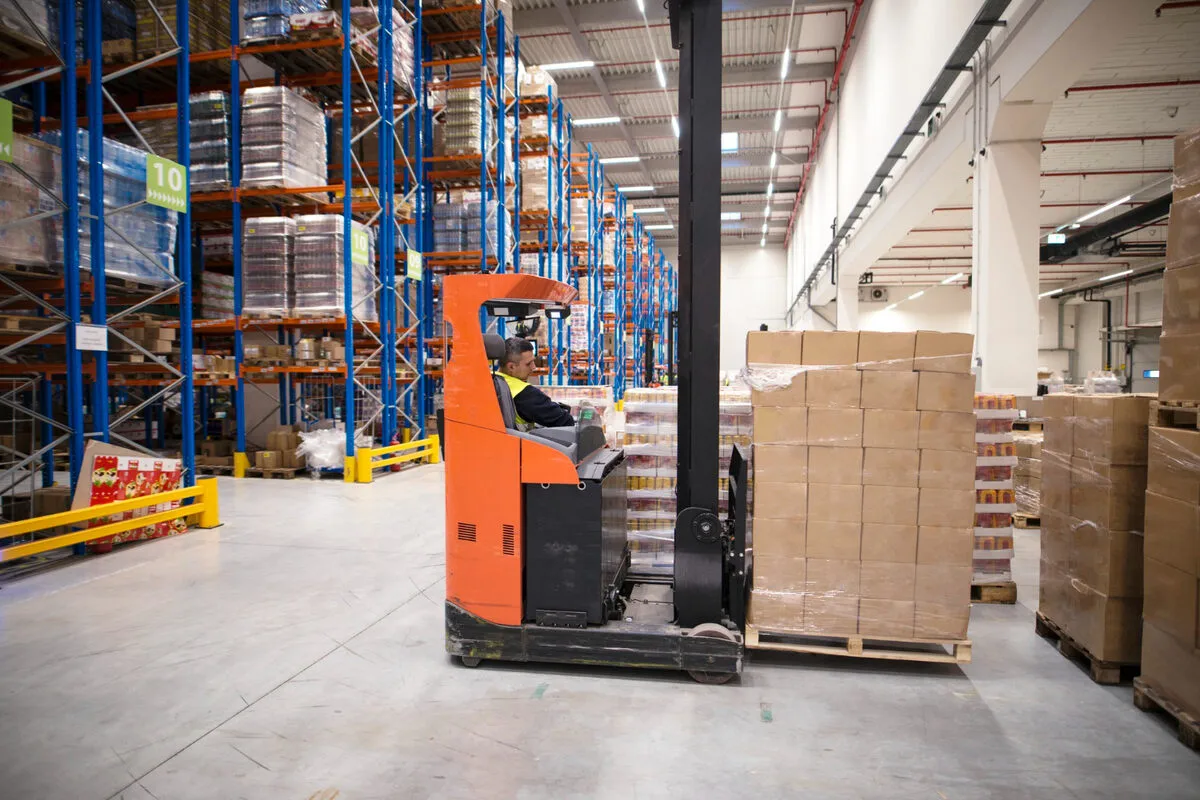
Between the warehouse and the production line, kanban is set up as a continuous circulation of fixed-quantity boxes. A box size and a card are defined for each part on the line.
Two boxes are usually kept at the line side. While one is being used, the other waits in reserve, so replenishment delay does not turn into downtime.
The empty box is left at the designated collection point. Warehouse personnel collect the cards from this point and establish their route accordingly.
Replenishment runs are planned on an hourly basis. A run circulating at fixed intervals makes the material flow predictable.
The order in which the boxes are taken from the rack also affects the result. A gravity-fed carton flow rack system brings full boxes to the picking face, automatically establishing a first-in, first-out flow.
What is the Relationship Between Kanban and Just-in-Time Production?
Kanban is the practical application tool of the Just-in-Time production philosophy on the shop floor. The philosophy defines the goal, while cards translate this goal into daily operations.
There are five common principles that connect the two.
Pull Logic: Production is triggered by the demand of the next step, not by a forecasted schedule.
Small Batch Size: The quantity processed at one time is intentionally kept low. Errors are noticed early.
Fixed Repetition Loop: Replenishment runs are repeated at regular intervals. Variability decreases.
Visual Control: Shortages or excesses are visible on the shop floor without looking at a screen.
Limited Buffer Inventory: Only as much material as the number of cards is present at the line side.
This relationship is not one-way. If lead times are long and demand is highly volatile, the Just-in-Time production goal cannot be achieved with cards alone.
How to Choose a Rack System Suitable for Kanban Flow?
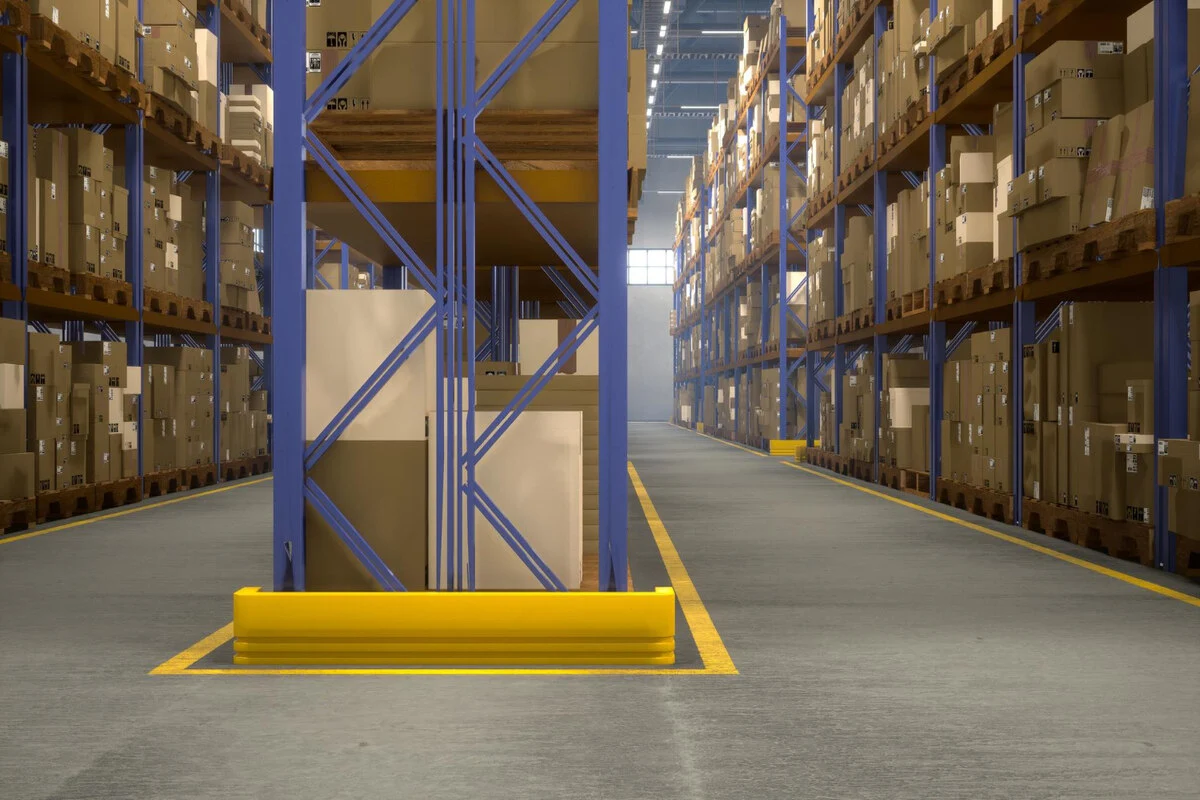
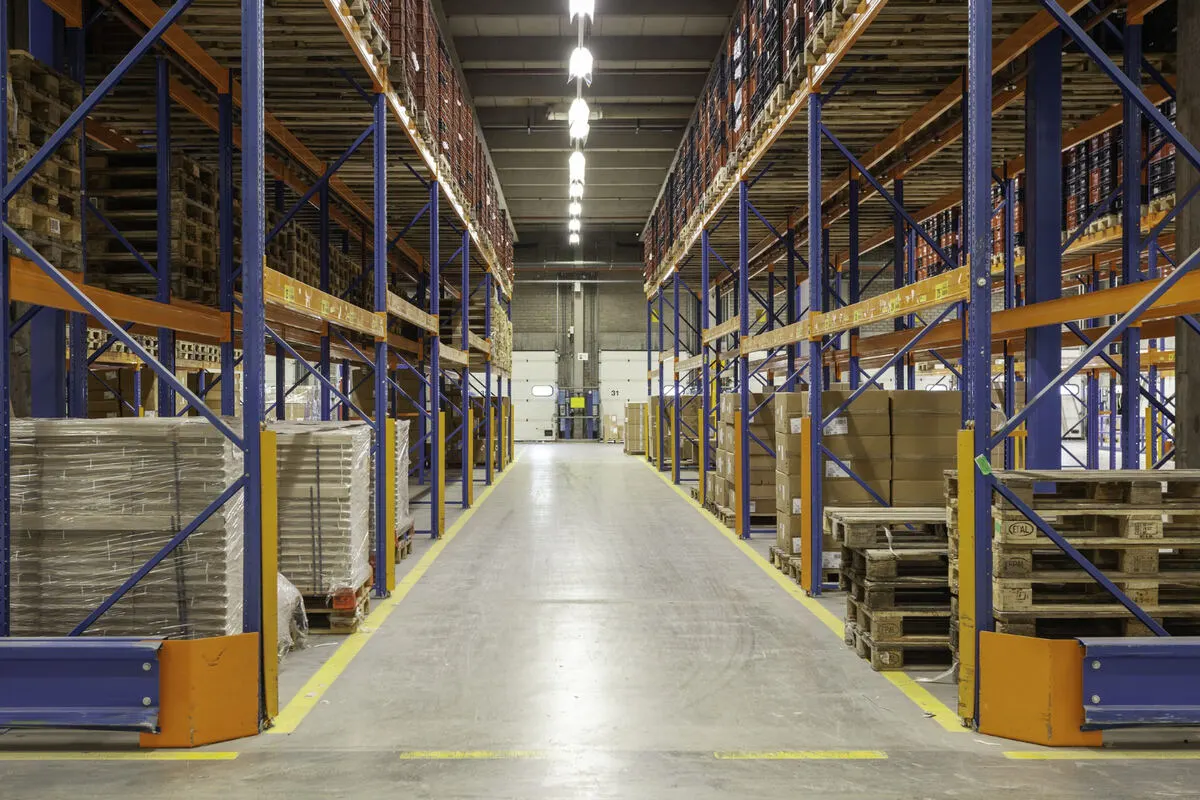
The rack system is selected by looking at whether the circulating unit is a pallet or a box and the frequency of the runs. Both variables are evaluated together.
For parts circulating in box form, the priority is ease of access. The height range that the operator can reach without bending or walking is taken as the basis.
For materials circulating in pallet form, separating the loading and picking faces gains importance. This separation reduces forklift traffic and streamlines the flow direction.
For high volumes of the same type of material, deep-lane flow solutions come to the forefront. A pallet flow rack layout, loaded from one end and picked from the other, ensures that the emptied slot is automatically filled by the pallet behind.
For materials circulating on a box scale, shelving systems for boxes define a fixed line-side address for each part with their modular bin structure. The final decision is made after calculating the box size and the daily number of runs.
What Are the Common Mistakes in Kanban Implementation?
The most common mistake is adding extra cards to the system for a sense of security. As cards increase, the buffer inventory grows, and the simplicity provided by the method is lost.
Keeping the Card Quantity Loose: An estimated number is used instead of the calculated one. The line side slowly fills up.
Non-Standard Box Sizes: Boxes of different sizes circulate. Counting and rack placement get confused.
Empty Box Not Returning: The empty box is not left at the collection point. No signal is generated, and replenishment is delayed.
Not Updating Lead Times: Even if lead times lengthen, the card calculation remains with the old value. The line unexpectedly runs dry.
Not Adapting to Volatile Demand: The number of cards is kept constant during seasonal surges. The system fails to meet demand.
The strength of the method lies not in the paper card, but in the discipline that the card represents. When the box size, run plan, and rack layout are established with the same logic, the flow regulates itself. When one of these three is missing, cards turn into nothing more than an additional paperwork burden.
Kanban is a scheduling method that manages material flow in production and warehouse processes using visual signals.
The defining point of the method is where the replenishment decision originates. Material is replenished based on actual consumption, not on forecasts.
The workflow is based on the logic of a pull system. As the line needs it, the demand is transmitted to the previous step; no one produces in advance.
The tool carrying the signal is the kanban card. The card shows which part, how much, and where it is needed.
How Does the Kanban System Work?
The kanban system works with a closed loop that replaces only as much of the consumed material as has been consumed. The loop is completed in five steps.
Consumption Begins: The operator on the line starts using the parts in the box. No signal is generated until the box is empty.
The Card is Released: When the box is empty, the card on it is detached. This card now turns into a demand document.
The Demand is Transmitted: The card is sent to the previous step or warehouse where the material came from. The order quantity is written on the card.
Replenishment is Done: The relevant unit prepares only the quantity written on the card. More is not produced or sent.
The Loop Closes: The full box returns to the line with its card. The system returns to its starting state.
The healthy functioning of the loop depends on keeping the number of cards constant. The total cards in the system determine the maximum inventory amount in circulation.
Unless a new card is added, the inventory cannot grow on its own. The inventory ceiling is limited by the number of cards, which is the most defining feature of the method.
What Are the Kanban Types?
Kanban types differ based on which action the card triggers. More than one type can be used simultaneously in a facility.
Type | Triggered action | Typical application area |
|---|---|---|
Production kanban | Manufacturing order at the previous station | In-line production flow |
Withdrawal kanban | Moving material from warehouse to line | Replenishment between warehouse and production |
Supplier kanban | Placing an order with an external supplier | Subcontracting and purchasing parts |
Signal kanban | Production in a specific batch size | In presses requiring mold changes |
Emergency kanban | Additional demand after scrap or breakdown | On lines experiencing unexpected losses |
The number of types increases the complexity of the system. In most facilities, production and withdrawal cards together provide sufficient results.
How is Kanban Used in Warehouse and Production Line Replenishment?
Between the warehouse and the production line, kanban is set up as a continuous circulation of fixed-quantity boxes. A box size and a card are defined for each part on the line.
Two boxes are usually kept at the line side. While one is being used, the other waits in reserve, so replenishment delay does not turn into downtime.
The empty box is left at the designated collection point. Warehouse personnel collect the cards from this point and establish their route accordingly.
Replenishment runs are planned on an hourly basis. A run circulating at fixed intervals makes the material flow predictable.
The order in which the boxes are taken from the rack also affects the result. A gravity-fed carton flow rack system brings full boxes to the picking face, automatically establishing a first-in, first-out flow.
What is the Relationship Between Kanban and Just-in-Time Production?
Kanban is the practical application tool of the Just-in-Time production philosophy on the shop floor. The philosophy defines the goal, while cards translate this goal into daily operations.
There are five common principles that connect the two.
Pull Logic: Production is triggered by the demand of the next step, not by a forecasted schedule.
Small Batch Size: The quantity processed at one time is intentionally kept low. Errors are noticed early.
Fixed Repetition Loop: Replenishment runs are repeated at regular intervals. Variability decreases.
Visual Control: Shortages or excesses are visible on the shop floor without looking at a screen.
Limited Buffer Inventory: Only as much material as the number of cards is present at the line side.
This relationship is not one-way. If lead times are long and demand is highly volatile, the Just-in-Time production goal cannot be achieved with cards alone.
How to Choose a Rack System Suitable for Kanban Flow?
The rack system is selected by looking at whether the circulating unit is a pallet or a box and the frequency of the runs. Both variables are evaluated together.
For parts circulating in box form, the priority is ease of access. The height range that the operator can reach without bending or walking is taken as the basis.
For materials circulating in pallet form, separating the loading and picking faces gains importance. This separation reduces forklift traffic and streamlines the flow direction.
For high volumes of the same type of material, deep-lane flow solutions come to the forefront. A pallet flow rack layout, loaded from one end and picked from the other, ensures that the emptied slot is automatically filled by the pallet behind.
For materials circulating on a box scale, shelving systems for boxes define a fixed line-side address for each part with their modular bin structure. The final decision is made after calculating the box size and the daily number of runs.
What Are the Common Mistakes in Kanban Implementation?
The most common mistake is adding extra cards to the system for a sense of security. As cards increase, the buffer inventory grows, and the simplicity provided by the method is lost.
Keeping the Card Quantity Loose: An estimated number is used instead of the calculated one. The line side slowly fills up.
Non-Standard Box Sizes: Boxes of different sizes circulate. Counting and rack placement get confused.
Empty Box Not Returning: The empty box is not left at the collection point. No signal is generated, and replenishment is delayed.
Not Updating Lead Times: Even if lead times lengthen, the card calculation remains with the old value. The line unexpectedly runs dry.
Not Adapting to Volatile Demand: The number of cards is kept constant during seasonal surges. The system fails to meet demand.
The strength of the method lies not in the paper card, but in the discipline that the card represents. When the box size, run plan, and rack layout are established with the same logic, the flow regulates itself. When one of these three is missing, cards turn into nothing more than an additional paperwork burden.
Frequently Asked Questions About Kanban (FAQ)
Frequently Asked Questions About Kanban (FAQ)
Frequently Asked Questions About Kanban (FAQ)
What information is included in a Kanban card?
The card usually contains the part number, part name, quantity per box, and card sequence number. In addition to these, the source point where the material will be received and the target station where it will be delivered are written. In many applications, a barcode area is also added to speed up scanning. The information must be legibly displayed on the box.
Can the Kanban system be applied in small-scale enterprises?
What is the difference between digital kanban and physical kanban?
In which sectors is Kanban used?
Are a Kanban board and a production kanban the same thing?
Contact
Do you want to receive more information? We have expert and reliable contact persons available for any questions, issues, and suggestions.
Reta Engineering Warehouse Racking Systems Industry and Trade Inc.
Address
Muradiye Organized Industrial Zone, 10th St. No: 30 Yunusemre / Manisa
info@retamuhendislik.com.tr