
Do Autonomous Stacking Systems Replace Human Labor?
Do Autonomous Stacking Systems Replace Human Labor?
Do Autonomous Stacking Systems Replace Human Labor?
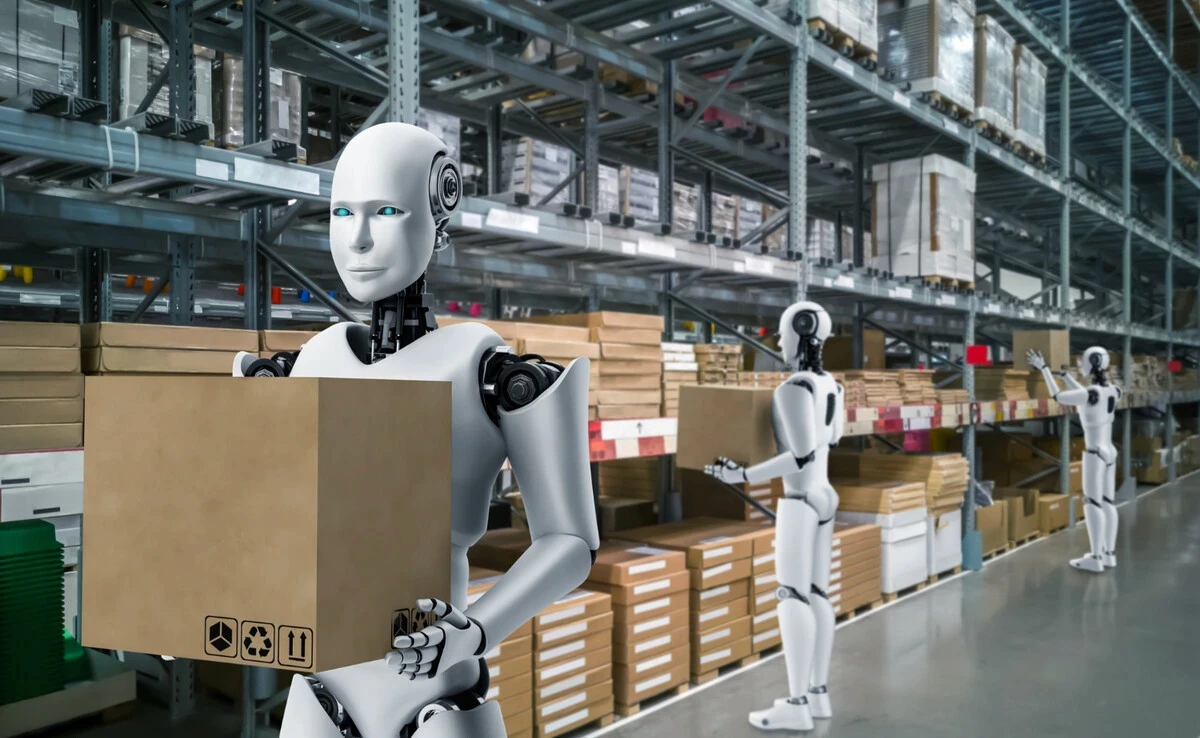
Autonomous stacking systems do not completely eliminate human labor; they transform employees’ roles by taking over heavy, repetitive, and risky tasks. Thanks to human-robot collaboration, efficiency, workplace safety, and operational continuity in warehouses are strengthened together.
Will autonomous stacking systems replace human labor? Discover the advantages and future of human-robot collaboration with AGV and AMR technologies.
Autonomous stacking systems do not completely eliminate human labor; they transform employees’ roles by taking over heavy, repetitive, and risky tasks. Thanks to human-robot collaboration, efficiency, workplace safety, and operational continuity in warehouses are strengthened together.
With Industry 4.0, the biggest question mark on the agenda of the logistics world is: "Will robots take our jobs away?" While warehouse managers are chasing productivity, employees are experiencing job anxiety. However, the answer is not as sharp as black or white.
Autonomous systems are designed not to replace humans, but to make them "superhumans." The warehouse of the future is not a completely unmanned box; it is a hybrid ecosystem where human intelligence and machine power dance in perfect harmony. So, how does this transformation work in practice and what does it mean for businesses?
What Are Autonomous Stacking Systems?
Before delving into the depths of the debate, it is necessary to clarify concepts. Autonomous stacking systems are intelligent machines that transport, lift, and place loads without the need for physical intervention by an operator.
Definition and Working Principle of Automation
These tools perceive their environment thanks to advanced sensors, LIDAR (Laser Radar) technology, and AI-supported software. Just like a human sees with their eyes and makes decisions with their brain, these systems see obstacles, adjust speed, and calculate the most efficient route within seconds. Especially when integrated with automated storage as/rs racking, they can manage the process from the entrance to the exit of the warehouse without any human intervention.
Difference Between AGV (Automated Guided Vehicles) and AMR (Autonomous Mobile Robots)
We can distinguish these two terms, which are often confused in the industry, with a simple analogy:
AGV (Automated Guided Vehicle): Is like a Train. It follows magnetic strips, wires, or barcodes on the ground. If an obstacle appears (for example, if a box falls), it stops like a train and waits until the obstacle is removed. Its route is fixed.
AMR (Autonomous Mobile Robot): Is like a Taxi. It maps the environment. If an obstacle appears, it goes around the obstacle like a taxi changing lanes and goes to its destination via an alternative route.
Not Competition, but Collaboration: The "Dark Warehouse" Myth and Reality
The "Dark Warehouse" (Lights-Out Warehouse) concept, where the lights are never on and only robots work, as seen in science fiction movies, is technically possible but not economically or practically feasible for every business.
Full Automation vs. Hybrid Models
Full automation is suitable for very high-volume and standard tasks. However, most warehouses have variable order structures. At this point, the most efficient model is the concept of "Cobot" (Collaborative Robot). While people use their problem-solving and strategic decision-making abilities, robots take on the tasks of heavy lifting and carrying. For example, while a person collects light products on mezzanine systems, autonomous vehicles can carry heavy pallets on the ground floor.
The 4D Rule: What Tasks Do Robots Take Over?
The tasks that robots take over from humans are actually those that people do not want to do or are harmed while doing. This is called the "4D Rule":
Dull: Repetitive tasks like going back and forth in the same corridor all day.
Dirty: Dusty, extremely hot, or cold environments.
Dangerous: Working at high altitudes or transporting heavy loads.
Difficult: Tasks requiring precision or power beyond human strength.
Workforce Transformation in Stacking: How Is the Human Role Changing?
Autonomous systems do not destroy employment; they transform it. Just as the invention of the forklift ended porterage and gave birth to "operation," autonomous systems also create new professions.
Transition from Operator to System Manager
A traditional forklift operator spends 80% of their day steering. In an autonomous warehouse, this personnel becomes a "Fleet Manager" who manages the robot fleet, monitors traffic flow, and intervenes in emergencies via a tablet. Physical fatigue is replaced by mental competence.
Evolving from Blue Collar to "Tech-Collar"
This transformation enables employees to transition from "Blue Collar" to the "Tech-Collar" class. More qualified personnel are needed for the maintenance, programming, and efficiency analysis of robots. This means higher salaries and better career opportunities for employees.
Why Must Businesses Switch to Autonomous Systems?
The only reason businesses turn to autonomous systems (AGV/AMR) is not "love of technology." The truths in the field compel managers to do so.
Problem Finding Qualified Forklift Operators
One of the biggest crises in the logistics sector is the "Labor Shortage," or the lack of qualified workforce. It has become difficult to find experienced forklift operators, and employee turnover has increased. Autonomous systems act as an insurance that protects the business from this personnel crisis. Machines do not resign, get sick, or transfer to another company.
Minimizing Human Errors and Work Accidents
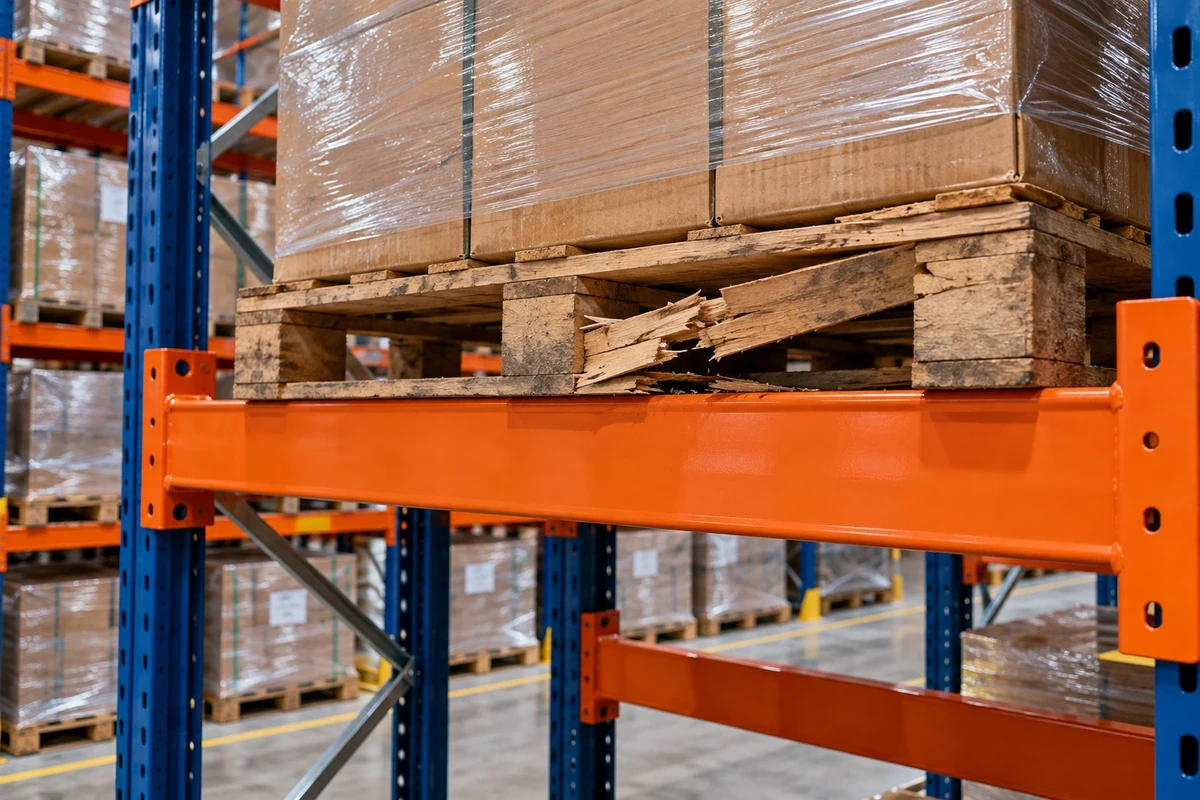
According to statistics, most warehouse accidents are due to operator fatigue or carelessness. A maneuver error in sensitive areas such as narrow aisle racking systems can cause racks to collapse. Autonomous vehicles, on the other hand, never tire, lose focus, and work with millimeter precision to almost eliminate accident risk.
Advantages of Autonomous Systems Over Humans
One should see humans and machines not as competitors, but as teammates with different abilities. However, the physical superiority of the machine is undisputed.
24/7 Uninterrupted Operation Power
Human biology requires breaks, sleep, and rest. An autonomous vehicle stops only as long as its charging period (and it often charges while working with opportunity charging). This means the business can triple its production capacity without changing the shift system.
Consistency and Standardization
A human operator may work very quickly in the morning, but slow down towards the end of the shift. In autonomous systems, performance is standard. Especially in warehouses using shuttle racking, robots deliver each pallet in the same time and speed. This predictability allows for logistics planning (shipment times) with exact accuracy.
The Future of Human and Machine
In conclusion, autonomous stacking systems do not make human power redundant; instead, they increase the value of human labor. The future is not a world where robots do everything, but a world of collaboration where robots are the "muscles" and humans are the "brains."
Creativity, crisis management, empathy, and strategic decision-making remain indispensable areas for humans. However, carrying heavy loads, extending to dangerous heights, and traversing boring routes are now the work of machines. The real risk for businesses is not going over to robots, but missing this transformation and trying to compete with inefficient processes.
With Industry 4.0, the biggest question mark on the agenda of the logistics world is: "Will robots take our jobs away?" While warehouse managers are chasing productivity, employees are experiencing job anxiety. However, the answer is not as sharp as black or white.
Autonomous systems are designed not to replace humans, but to make them "superhumans." The warehouse of the future is not a completely unmanned box; it is a hybrid ecosystem where human intelligence and machine power dance in perfect harmony. So, how does this transformation work in practice and what does it mean for businesses?
What Are Autonomous Stacking Systems?
Before delving into the depths of the debate, it is necessary to clarify concepts. Autonomous stacking systems are intelligent machines that transport, lift, and place loads without the need for physical intervention by an operator.
Definition and Working Principle of Automation
These tools perceive their environment thanks to advanced sensors, LIDAR (Laser Radar) technology, and AI-supported software. Just like a human sees with their eyes and makes decisions with their brain, these systems see obstacles, adjust speed, and calculate the most efficient route within seconds. Especially when integrated with automated storage as/rs racking, they can manage the process from the entrance to the exit of the warehouse without any human intervention.
Difference Between AGV (Automated Guided Vehicles) and AMR (Autonomous Mobile Robots)
We can distinguish these two terms, which are often confused in the industry, with a simple analogy:
AGV (Automated Guided Vehicle): Is like a Train. It follows magnetic strips, wires, or barcodes on the ground. If an obstacle appears (for example, if a box falls), it stops like a train and waits until the obstacle is removed. Its route is fixed.
AMR (Autonomous Mobile Robot): Is like a Taxi. It maps the environment. If an obstacle appears, it goes around the obstacle like a taxi changing lanes and goes to its destination via an alternative route.
Not Competition, but Collaboration: The "Dark Warehouse" Myth and Reality
The "Dark Warehouse" (Lights-Out Warehouse) concept, where the lights are never on and only robots work, as seen in science fiction movies, is technically possible but not economically or practically feasible for every business.
Full Automation vs. Hybrid Models
Full automation is suitable for very high-volume and standard tasks. However, most warehouses have variable order structures. At this point, the most efficient model is the concept of "Cobot" (Collaborative Robot). While people use their problem-solving and strategic decision-making abilities, robots take on the tasks of heavy lifting and carrying. For example, while a person collects light products on mezzanine systems, autonomous vehicles can carry heavy pallets on the ground floor.
The 4D Rule: What Tasks Do Robots Take Over?
The tasks that robots take over from humans are actually those that people do not want to do or are harmed while doing. This is called the "4D Rule":
Dull: Repetitive tasks like going back and forth in the same corridor all day.
Dirty: Dusty, extremely hot, or cold environments.
Dangerous: Working at high altitudes or transporting heavy loads.
Difficult: Tasks requiring precision or power beyond human strength.
Workforce Transformation in Stacking: How Is the Human Role Changing?
Autonomous systems do not destroy employment; they transform it. Just as the invention of the forklift ended porterage and gave birth to "operation," autonomous systems also create new professions.
Transition from Operator to System Manager
A traditional forklift operator spends 80% of their day steering. In an autonomous warehouse, this personnel becomes a "Fleet Manager" who manages the robot fleet, monitors traffic flow, and intervenes in emergencies via a tablet. Physical fatigue is replaced by mental competence.
Evolving from Blue Collar to "Tech-Collar"
This transformation enables employees to transition from "Blue Collar" to the "Tech-Collar" class. More qualified personnel are needed for the maintenance, programming, and efficiency analysis of robots. This means higher salaries and better career opportunities for employees.
Why Must Businesses Switch to Autonomous Systems?
The only reason businesses turn to autonomous systems (AGV/AMR) is not "love of technology." The truths in the field compel managers to do so.
Problem Finding Qualified Forklift Operators
One of the biggest crises in the logistics sector is the "Labor Shortage," or the lack of qualified workforce. It has become difficult to find experienced forklift operators, and employee turnover has increased. Autonomous systems act as an insurance that protects the business from this personnel crisis. Machines do not resign, get sick, or transfer to another company.
Minimizing Human Errors and Work Accidents
According to statistics, most warehouse accidents are due to operator fatigue or carelessness. A maneuver error in sensitive areas such as narrow aisle racking systems can cause racks to collapse. Autonomous vehicles, on the other hand, never tire, lose focus, and work with millimeter precision to almost eliminate accident risk.
Advantages of Autonomous Systems Over Humans
One should see humans and machines not as competitors, but as teammates with different abilities. However, the physical superiority of the machine is undisputed.
24/7 Uninterrupted Operation Power
Human biology requires breaks, sleep, and rest. An autonomous vehicle stops only as long as its charging period (and it often charges while working with opportunity charging). This means the business can triple its production capacity without changing the shift system.
Consistency and Standardization
A human operator may work very quickly in the morning, but slow down towards the end of the shift. In autonomous systems, performance is standard. Especially in warehouses using shuttle racking, robots deliver each pallet in the same time and speed. This predictability allows for logistics planning (shipment times) with exact accuracy.
The Future of Human and Machine
In conclusion, autonomous stacking systems do not make human power redundant; instead, they increase the value of human labor. The future is not a world where robots do everything, but a world of collaboration where robots are the "muscles" and humans are the "brains."
Creativity, crisis management, empathy, and strategic decision-making remain indispensable areas for humans. However, carrying heavy loads, extending to dangerous heights, and traversing boring routes are now the work of machines. The real risk for businesses is not going over to robots, but missing this transformation and trying to compete with inefficient processes.
Frequently Asked Questions (FAQ) about Autonomous Warehouse Systems and Automation
Frequently Asked Questions (FAQ) about Autonomous Warehouse Systems and Automation
Frequently Asked Questions (FAQ) about Autonomous Warehouse Systems and Automation
Do autonomous systems work compatible with my existing racks?
Usually, yes. Most AMRs and AGVs are designed to work with standard back-to-back racking systems. However, in very narrow aisles or situations requiring special stacking, it may be necessary to review rack spacing or floor quality (TR34 standards).
What is the payback period for the investment cost (ROI)?
Is Wi-Fi necessary in my warehouse for autonomous vehicles?
Are these systems completely secure?
Are autonomous systems sensible for small businesses?

Contact
Do you want to receive more information? We have expert and reliable contact persons available for any questions, issues, and suggestions.
Reta Engineering Warehouse Racking Systems Industry and Trade Inc.
Address
Muradiye Organized Industrial Zone, 10th St. No: 30 Yunusemre / Manisa
info@retamuhendislik.com.tr