

What is Supply Chain?
What is Supply Chain?
What is Supply Chain?
The supply chain is the entirety of the processes, from raw material procurement to production, warehousing, and distribution, that ensure the product reaches the customer. Correct planning, inventory, and warehouse management reduce costs, increase delivery speed, and provide operational efficiency.
What is the supply chain, what are its components and types, and what is its difference from logistics? A comprehensive guide to the role of the warehouse in the supply chain and choosing the right racking system.
The supply chain is the entirety of the processes, from raw material procurement to production, warehousing, and distribution, that ensure the product reaches the customer. Correct planning, inventory, and warehouse management reduce costs, increase delivery speed, and provide operational efficiency.
The supply chain is an integrated system that covers all processes from the raw material stage of a product to its delivery to the final consumer and all parties involved in these processes. This structure, extending from supplier to production, from production to warehousing, and from warehouse to distribution channels, directly affects the enterprise's inventory costs, delivery speed, and competitiveness.
A disruption in any link of the chain reacts like a domino effect on other processes. Delayed raw material procurement can stop production; insufficient warehouse capacity can delay shipment; inventory error can cause loss of orders. For this reason, managing the supply chain correctly is not just a logistics choice, but a necessity for the operational continuity of the enterprise.
Supply chain management (SCM) addresses this structure as a whole. It defines the systematic approach that optimizes the flow of products, information, and resources in each link of the chain. The warehouse is located as the physical center of this chain; racking system layout and space utilization are among the critical variables determining delivery performance.
What Are the Main Components of the Supply Chain?
Supply chain management is built on five core components. While each component performs its own function, it directly interacts with the others; a disruption in one reflects on the others.
The main components are:
Planning; is the pre-modeling of resources, demands, and processes. The accuracy of the demand forecast directly determines the inventory balance and production plan.
Sourcing; is the procurement of raw materials and semi-finished products to be used in production from the right suppliers. Supplier diversity reduces the risk of single-point dependency.
Production; is the stage where incoming materials are transformed into the final product. Mismatch between production capacity and warehouse capacity leads directly to a bottleneck.
Delivery; is the transport of the product from the warehouse to the distribution channel and the end user. Order accuracy and speed are the determining criteria of this component.
Feedback; is the improvement of processes by analyzing data from the end user. This component transforms the supply chain from a static structure into a learning system.
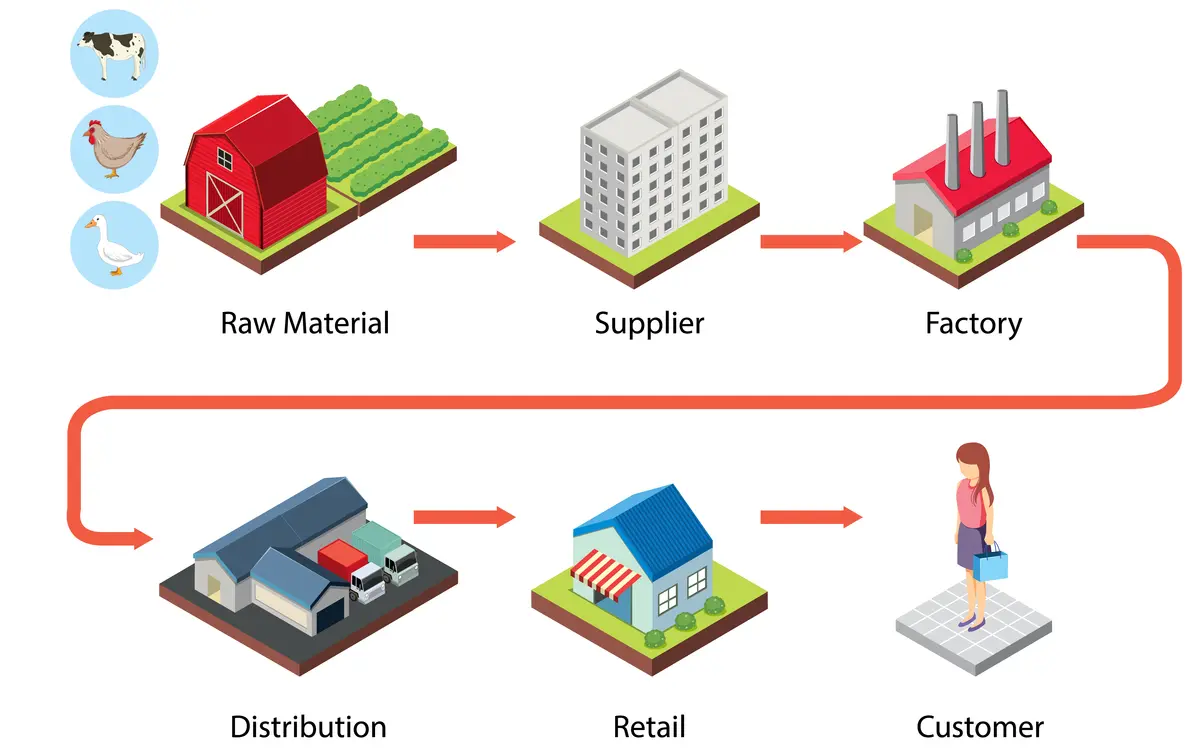
Each component should not be evaluated independently, but within the whole. An enterprise that wants to increase delivery efficiency must look not only at logistics processes, but also at planning, inventory, and warehousing stages.
How Does the Supply Chain Work?
The supply chain works in two parallel channels: product flow and information flow. Product flow moves from raw material to end user. Information flow moves both forward and backward through order data, demand forecasts, and customer feedback.
A typical supply chain cycle proceeds in this order: demand forecasting is made, the order is received, raw material is procured, production takes place, the product is accepted into the warehouse, the order is collected, and shipment is prepared. Feedback from the end user feeds the demand forecast of the next cycle. The chain achieves a structure that constantly updates itself with this cycle.
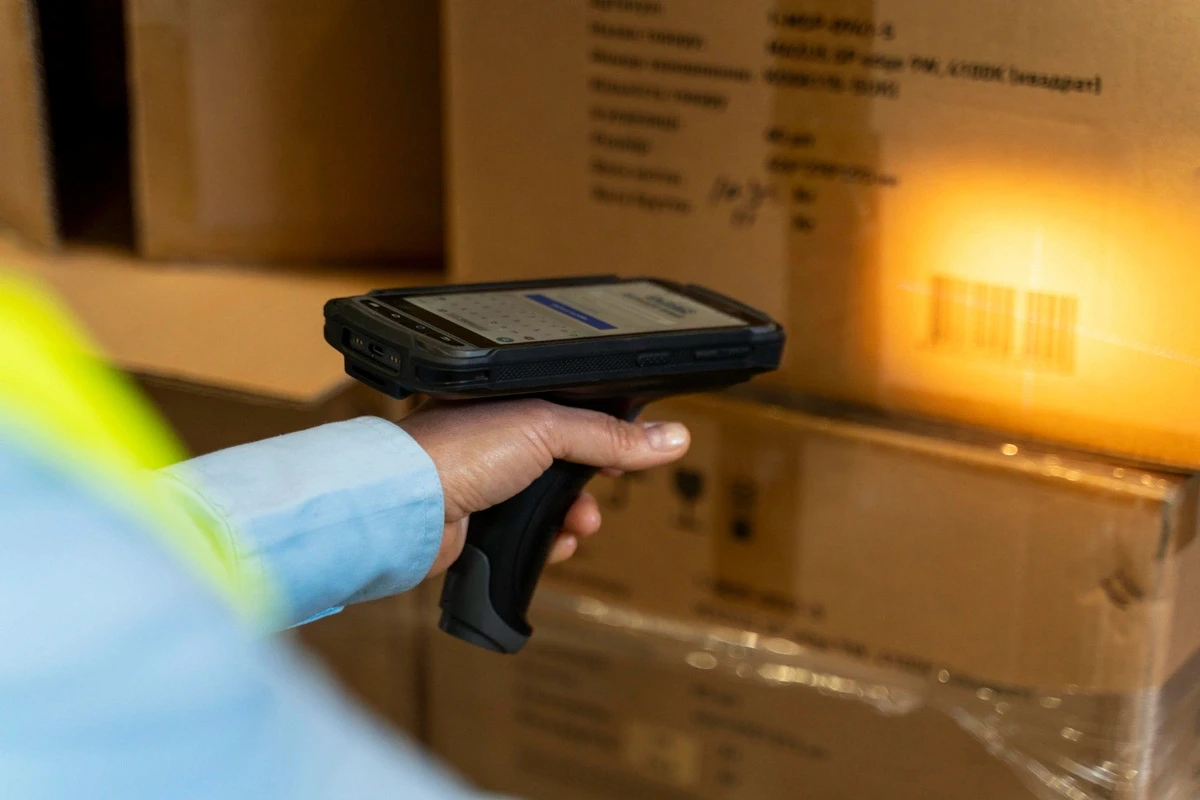
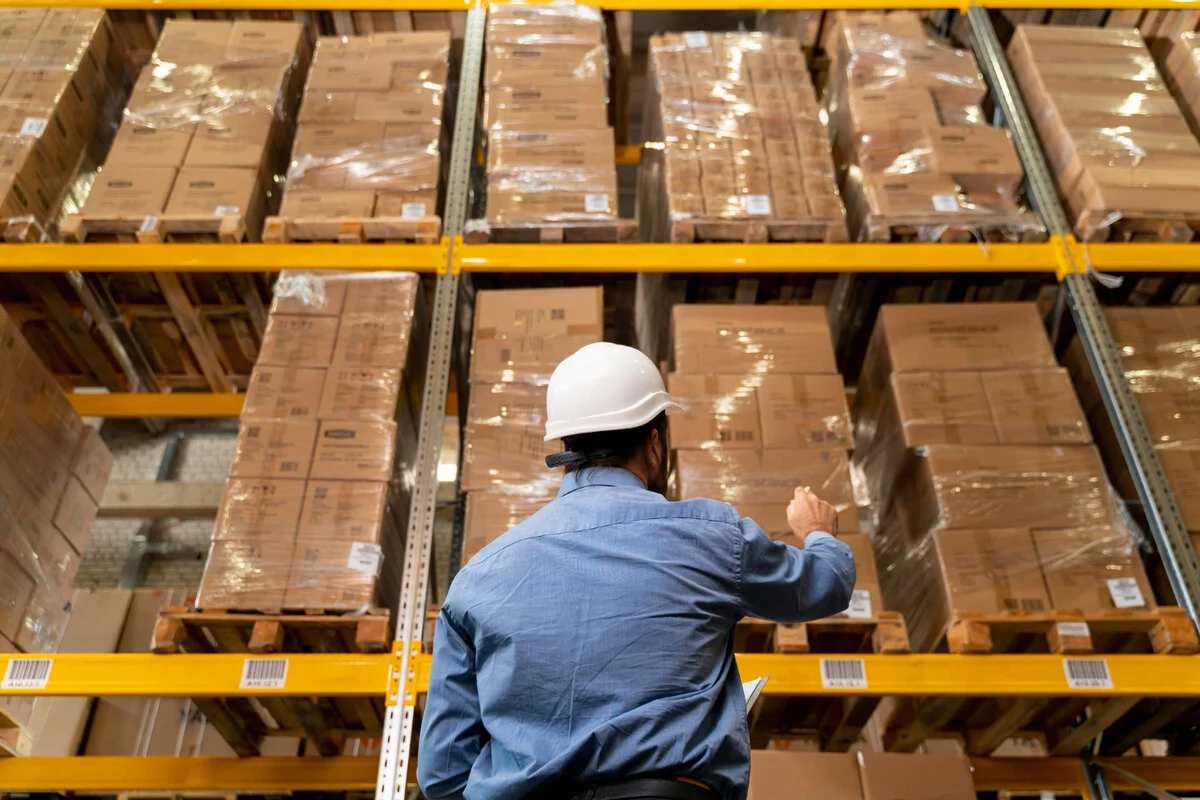
The warehouse is located at the physical center of this process. Inventory acceptance, placement, order picking, and outbound preparation are operations that determine the speed and accuracy of the supply chain. Any delay in order picking is directly reflected in delivery time. Narrow aisle, insufficient rack capacity, or irregular inventory placement can turn the warehouse into the bottleneck of the entire chain.
What is the Difference Between Supply Chain and Logistics?
The concepts of supply chain and logistics are often used interchangeably. However, there is a clear difference in scope between them.
Logistics is one of the sub-components of the supply chain. It covers the physical transportation and warehousing of products. It manages operational processes from material acceptance to shipment. On the other hand, the supply chain defines the whole extending from raw material to the end user. Supplier relations, production planning, inventory management, logistics, and customer feedback are all within the scope of the supply chain.
In summary: logistics is a function within the supply chain. The supply chain is a broader structure that also encompasses this function. Focusing only on logistics makes problems in other links of the supply chain invisible. Problems such as supplier delay, production stoppage, or warehouse inadequacy are solved by looking at the whole chain, not by optimizing logistics.
What Are the Types of Supply Chains?
The supply chain model differs according to industry, product structure, and market dynamics. Model choice directly affects warehouse design, inventory strategy, and racking system requirements. Therefore, operational planning cannot be done before clarifying the supply chain type.
Common supply chain types include:
Efficiency-oriented supply chain; applied in sectors where demand is stable and predictable. Cost control is the primary goal; production and warehousing capacity are tightly planned. In industrial enterprises engaged in mass production, high-density solutions such as drive-in racking systems are preferred.
Agile supply chain; suitable for structures with high demand fluctuations and high product diversity. Flexibility and speed come to the fore; systems that allow quick configuration changes in warehouses provide a critical advantage.
Hybrid supply chain; is a structure in which more than one model is applied together for different segments of the product portfolio. It may require executing different inventory management strategies in the same warehouse.
Sustainable supply chain; is a model designed with environmental and social responsibility goals. Recycling processes and reverse logistics are integral components of this model.
Warehouse and racking system planning to be made before determining the correct model creates a need for revision in the long run.
How is the Role of the Warehouse Determined in the Supply Chain?
The warehouse is the physical bridge in the supply chain where products coming from production are protected, prepared, and directed to shipment. By functioning as an inventory buffer, it absorbs the imbalance between production speed and customer demand. When this function is not set up correctly, the warehouse turns into the slowest link in the chain.
The main criteria determining the role of the warehouse in the supply chain are:
Daily order volume and diversity
Weights and dimensions of products
Inventory turnover rate and shelf life
FIFO or LIFO inventory management needs
Forklift and equipment traffic density
Number and frequency of shipment points
Warehouse planning made without clarifying these criteria leads to loss of space and operational inefficiency. A correctly configured warehouse shortens order picking time, reduces shipment errors, and increases the overall speed of the supply chain.
How to Choose the Right Warehousing System in the Supply Chain?
Choosing a warehousing system is not just a racking preference. It directly affects product flow, order picking speed, space efficiency, and long-term operational performance. Selecting the wrong system leads to loss of space, forklift movement constraints, and an increased error rate. Especially in high shipment volume, the reflection of these problems on cost accelerates.
While determining the right warehousing system, the following criteria should be evaluated together:
Weight, size, and packaging type of products to be stored
Daily inventory entry-exit volume and movement frequency
FIFO requirement; batch management needs for products with shelf life
Forklift type and maneuvering area requirements
Current warehouse height and vertical space utilization goal
Future capacity growth and automation plans
For enterprises storing high-volume and palletized products, pallet racking systems are in the primary scope of evaluation. In facilities with automation goals, automatic storage AS/RS racking systems require more advanced engineering and integration.
Correctly positioned racking systems regulate the flow of products entering and leaving the warehouse, increase order picking efficiency, and strengthen the overall performance of the supply chain. You can contact our expert team to evaluate your warehouse's position in the supply chain and racking system needs.
The supply chain is an integrated system that covers all processes from the raw material stage of a product to its delivery to the final consumer and all parties involved in these processes. This structure, extending from supplier to production, from production to warehousing, and from warehouse to distribution channels, directly affects the enterprise's inventory costs, delivery speed, and competitiveness.
A disruption in any link of the chain reacts like a domino effect on other processes. Delayed raw material procurement can stop production; insufficient warehouse capacity can delay shipment; inventory error can cause loss of orders. For this reason, managing the supply chain correctly is not just a logistics choice, but a necessity for the operational continuity of the enterprise.
Supply chain management (SCM) addresses this structure as a whole. It defines the systematic approach that optimizes the flow of products, information, and resources in each link of the chain. The warehouse is located as the physical center of this chain; racking system layout and space utilization are among the critical variables determining delivery performance.
What Are the Main Components of the Supply Chain?
Supply chain management is built on five core components. While each component performs its own function, it directly interacts with the others; a disruption in one reflects on the others.
The main components are:
Planning; is the pre-modeling of resources, demands, and processes. The accuracy of the demand forecast directly determines the inventory balance and production plan.
Sourcing; is the procurement of raw materials and semi-finished products to be used in production from the right suppliers. Supplier diversity reduces the risk of single-point dependency.
Production; is the stage where incoming materials are transformed into the final product. Mismatch between production capacity and warehouse capacity leads directly to a bottleneck.
Delivery; is the transport of the product from the warehouse to the distribution channel and the end user. Order accuracy and speed are the determining criteria of this component.
Feedback; is the improvement of processes by analyzing data from the end user. This component transforms the supply chain from a static structure into a learning system.
Each component should not be evaluated independently, but within the whole. An enterprise that wants to increase delivery efficiency must look not only at logistics processes, but also at planning, inventory, and warehousing stages.
How Does the Supply Chain Work?
The supply chain works in two parallel channels: product flow and information flow. Product flow moves from raw material to end user. Information flow moves both forward and backward through order data, demand forecasts, and customer feedback.
A typical supply chain cycle proceeds in this order: demand forecasting is made, the order is received, raw material is procured, production takes place, the product is accepted into the warehouse, the order is collected, and shipment is prepared. Feedback from the end user feeds the demand forecast of the next cycle. The chain achieves a structure that constantly updates itself with this cycle.
The warehouse is located at the physical center of this process. Inventory acceptance, placement, order picking, and outbound preparation are operations that determine the speed and accuracy of the supply chain. Any delay in order picking is directly reflected in delivery time. Narrow aisle, insufficient rack capacity, or irregular inventory placement can turn the warehouse into the bottleneck of the entire chain.
What is the Difference Between Supply Chain and Logistics?
The concepts of supply chain and logistics are often used interchangeably. However, there is a clear difference in scope between them.
Logistics is one of the sub-components of the supply chain. It covers the physical transportation and warehousing of products. It manages operational processes from material acceptance to shipment. On the other hand, the supply chain defines the whole extending from raw material to the end user. Supplier relations, production planning, inventory management, logistics, and customer feedback are all within the scope of the supply chain.
In summary: logistics is a function within the supply chain. The supply chain is a broader structure that also encompasses this function. Focusing only on logistics makes problems in other links of the supply chain invisible. Problems such as supplier delay, production stoppage, or warehouse inadequacy are solved by looking at the whole chain, not by optimizing logistics.
What Are the Types of Supply Chains?
The supply chain model differs according to industry, product structure, and market dynamics. Model choice directly affects warehouse design, inventory strategy, and racking system requirements. Therefore, operational planning cannot be done before clarifying the supply chain type.
Common supply chain types include:
Efficiency-oriented supply chain; applied in sectors where demand is stable and predictable. Cost control is the primary goal; production and warehousing capacity are tightly planned. In industrial enterprises engaged in mass production, high-density solutions such as drive-in racking systems are preferred.
Agile supply chain; suitable for structures with high demand fluctuations and high product diversity. Flexibility and speed come to the fore; systems that allow quick configuration changes in warehouses provide a critical advantage.
Hybrid supply chain; is a structure in which more than one model is applied together for different segments of the product portfolio. It may require executing different inventory management strategies in the same warehouse.
Sustainable supply chain; is a model designed with environmental and social responsibility goals. Recycling processes and reverse logistics are integral components of this model.
Warehouse and racking system planning to be made before determining the correct model creates a need for revision in the long run.
How is the Role of the Warehouse Determined in the Supply Chain?
The warehouse is the physical bridge in the supply chain where products coming from production are protected, prepared, and directed to shipment. By functioning as an inventory buffer, it absorbs the imbalance between production speed and customer demand. When this function is not set up correctly, the warehouse turns into the slowest link in the chain.
The main criteria determining the role of the warehouse in the supply chain are:
Daily order volume and diversity
Weights and dimensions of products
Inventory turnover rate and shelf life
FIFO or LIFO inventory management needs
Forklift and equipment traffic density
Number and frequency of shipment points
Warehouse planning made without clarifying these criteria leads to loss of space and operational inefficiency. A correctly configured warehouse shortens order picking time, reduces shipment errors, and increases the overall speed of the supply chain.
How to Choose the Right Warehousing System in the Supply Chain?
Choosing a warehousing system is not just a racking preference. It directly affects product flow, order picking speed, space efficiency, and long-term operational performance. Selecting the wrong system leads to loss of space, forklift movement constraints, and an increased error rate. Especially in high shipment volume, the reflection of these problems on cost accelerates.
While determining the right warehousing system, the following criteria should be evaluated together:
Weight, size, and packaging type of products to be stored
Daily inventory entry-exit volume and movement frequency
FIFO requirement; batch management needs for products with shelf life
Forklift type and maneuvering area requirements
Current warehouse height and vertical space utilization goal
Future capacity growth and automation plans
For enterprises storing high-volume and palletized products, pallet racking systems are in the primary scope of evaluation. In facilities with automation goals, automatic storage AS/RS racking systems require more advanced engineering and integration.
Correctly positioned racking systems regulate the flow of products entering and leaving the warehouse, increase order picking efficiency, and strengthen the overall performance of the supply chain. You can contact our expert team to evaluate your warehouse's position in the supply chain and racking system needs.
Frequently Asked Questions (FAQ) About Supply Chain
Frequently Asked Questions (FAQ) About Supply Chain
Frequently Asked Questions (FAQ) About Supply Chain
How many members does the supply chain cover?
The main links of the supply chain consist of five categories: supplier, manufacturer, logistics service provider, distribution channel, and end user. In large-scale chains, the supplier's own suppliers are also included in the system. The number of tiers varies depending on the sector, the complexity of the product, and the breadth of the supply network.
How to prevent supply chain disruptions?
Which technologies are used in the supply chain?
How to set up a supply chain for small businesses?
How does the warehouse rack system affect supply chain efficiency?

Contact
Do you want to receive more information? We have expert and reliable contact persons available for any questions, issues, and suggestions.
Reta Engineering Warehouse Racking Systems Industry and Trade Inc.
Address
Muradiye Organized Industrial Zone, 10th St. No: 30 Yunusemre / Manisa
info@retamuhendislik.com.tr