
What Do Storage System Costs Depend On?
What Do Storage System Costs Depend On?
What Do Storage System Costs Depend On?
The cost of storage systems varies according to the rack type, safety, manufacturing, and assembly process. Discover the details for the right system.
The cost of storage systems varies according to the rack type, safety, manufacturing, and assembly process. Discover the details for the right system.
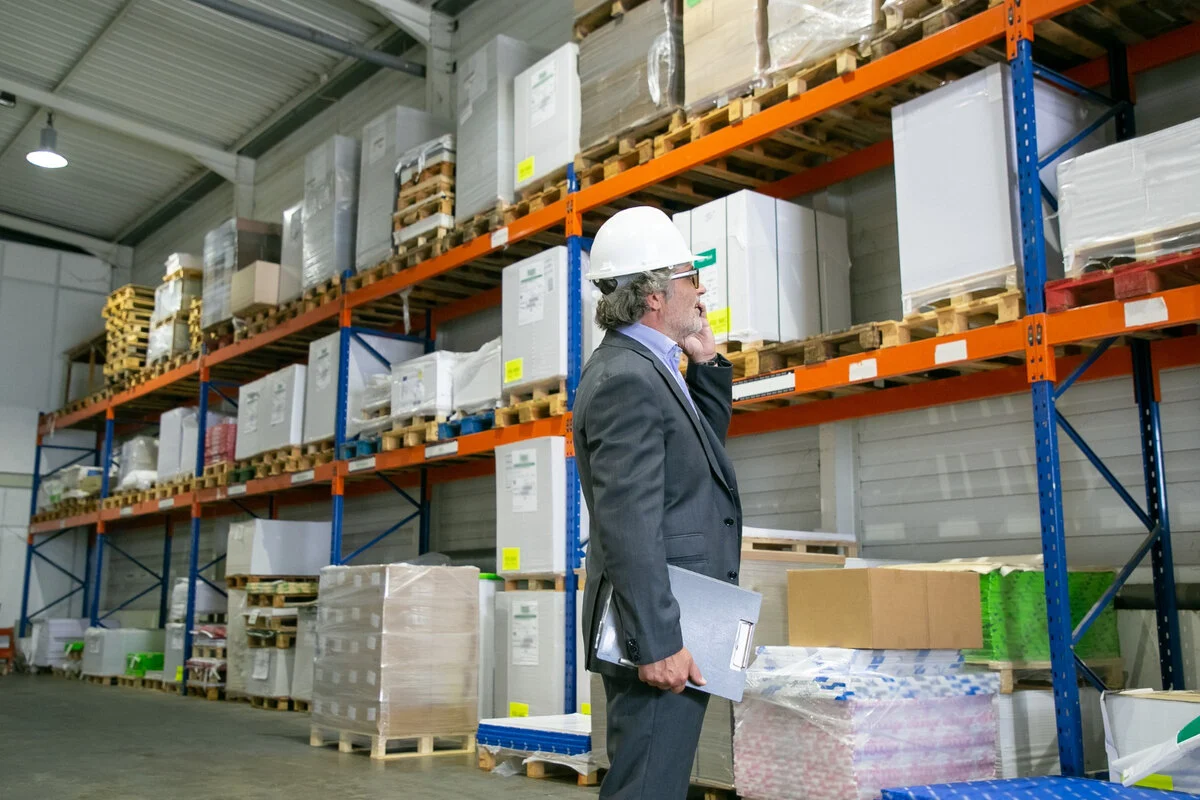
Storage systems cost is not determined solely by the shelf price. The size of the warehouse area, product type, carrying capacity, shelf height, safety requirements, level of automation, project design, manufacturing, and installation process directly affect the total cost. Therefore, storage system investment should be evaluated based on needs, usage scenarios, and technical requirements, rather than a standard price list.
In the logistics, manufacturing, and retail sectors, a warehouse system is a long-term investment. An incorrectly selected system may seem suitable in the initial stage. However, it can lead to loss of space, slow operations, product damage, additional revisions, and occupational safety risks in the future. On the other hand, a properly planned system allows you to use the available space more efficiently and manage operations in a more controlled manner.
When planning a warehouse system on an enterprise scale, the engineering approach, expert staff, quality-focused manufacturing, and correct installation must be evaluated together. This is because a warehouse racking system is not just a structure where products are placed; it is one of the fundamental operational systems that carries the daily flow of the business.
How to Calculate the Cost of Storage Systems?
The first step in calculating the cost of storage systems is to clearly define the need. A sound cost analysis cannot be conducted without determining how many pallets, how many boxes, how many product groups, or how many SKUs will be stored. Product dimensions, weights, pallet type, entry-exit speed, and handling method must be evaluated.
The following headings stand out in cost calculation:
Warehouse area, ceiling height, and column placement
Product type, load weight, and stock density
Carrying capacity of the racking system
Seismic calculation and safety equipment
Forklift, pallet jack, or automation compatibility
Projecting, manufacturing, installation, and commissioning process
Maintenance, inspection, and long-term usage needs
Each of these items changes the scope of the system. For example, in a high-ceiling warehouse, vertical capacity provides an advantage. However, as the racking height increases, static calculations, connection details, steel cross-sections, and installation precision become more critical.
What Factors Determine the Cost of Storage Systems?
The most important factor determining the cost of storage systems is how the warehouse operates. In two facilities with the same square footage, a different product structure, different racking type, and a different operational flow may be required. Therefore, cost cannot be explained solely by the size of the area.
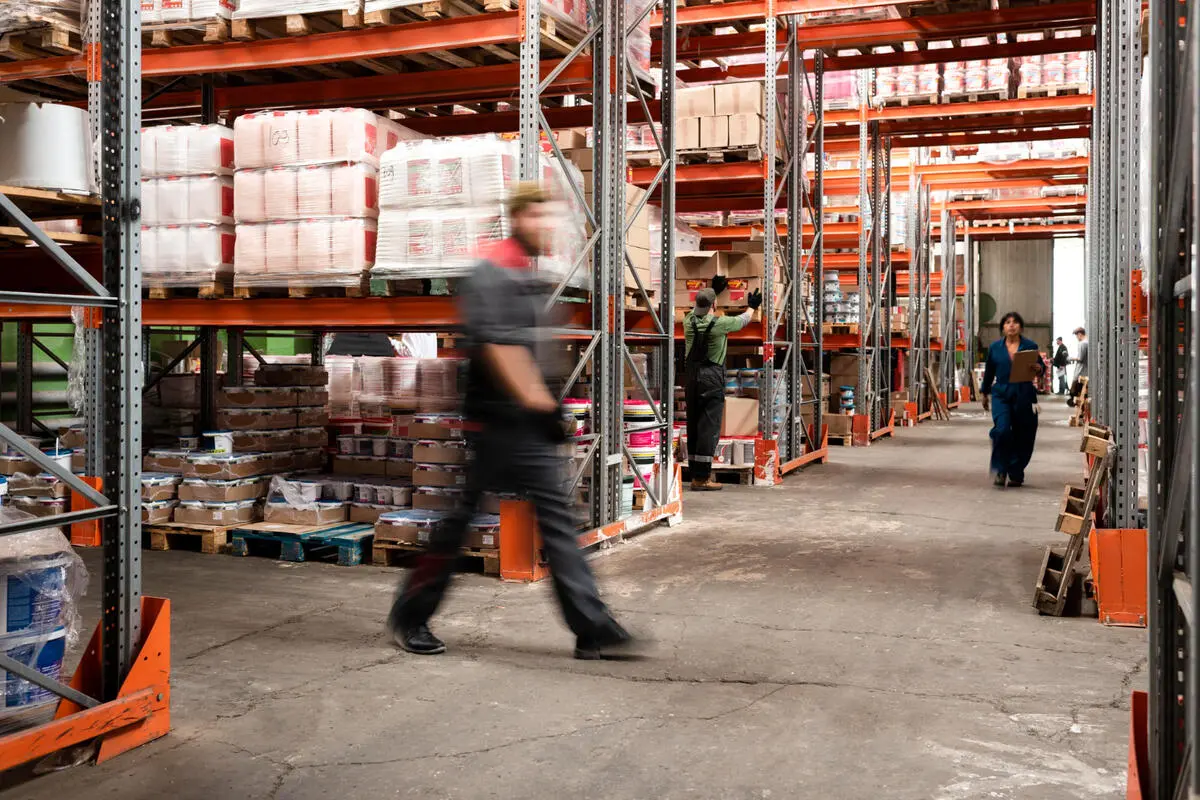
In space utilization, the goal is not to place shelves in maximum numbers. Forklift turns, pedestrian pathways, fire safety, order picking routes, and loading-unloading areas should be planned together. In warehouses where the need for selective access is high, a back-to-back racking system can be a balanced solution. In structures where space is limited, a narrow aisle racking system can provide a more efficient layout.
Product type also directly affects the cost. Heavy pallets, light boxes, sensitive products, long materials, or fast-moving stocks cannot be managed efficiently in the same racking system. In warehouses where fast product flow is required, solutions such as pallet flow racking can speed up product movement. In facilities that require denser space utilization, a mobile racking system can be considered.
Seismic calculation is also a significant cost factor. It is not enough for the rack to only carry vertical loads. Floor strength, anchorage details, horizontal forces, cross bracing, and impact protectors must be taken into account for safe use.

Why is the System Type Important in Storage Systems Cost?
Warehouse racking systems can be manual, semi-automatic, or fully automatic. As system complexity increases, requirements for engineering, manufacturing, installation, software integration, and maintenance also increase.
System Type | Cost Effect | Suitable Use Area |
Standard Pallet Rack | Balanced | Warehouses requiring selective access |
Dynamic Racking System | Higher | Areas with fast product flow |
Mobile Racking System | High | Facilities where space utilization is critical |
Semi-Automatic Systems | High | Warehouses desiring controlled speed and traceability |
Automated Storage AS/RS Racks | Very High | High-volume, automation-focused operations |
Not every business needs the most advanced system. What matters is choosing the system most suitable for your product structure and operational speed. In warehouses with high volumes and high traceability needs, automated storage as/rs racks can be a powerful option.
Why is it Risky to Look Only at the Initial Price in Storage Systems Cost?
The most common mistake made in storage investments is to look only at the initial purchase price. An initial cost that seems low can turn into a higher operating cost in the long run due to choosing the wrong system.
A system that is not properly projected can cause the following problems:
Forklift travel distances increase.
Order picking times are extended.
The risk of product damage and misplacement rises.
Aisles are used inefficiently.
Storage capacity does not reach the expected level.
A need for revision arises after installation.
Occupational safety risks increase.
The main focus should not be the initial price but the total value of use. A proper system should be evaluated along with space efficiency, labor utilization, safety, speed, and ease of maintenance.
What Items are Included in the Cost Plan of Storage Systems?
Storage system investment does not consist only of rack manufacturing. The project should be handled holistically, from the initial analysis to post-installation checks.
The main cost items are:
Projecting and engineering: Site measurement, load calculation, layout planning, and system selection are done at this stage.
Manufacturing: Steel quality, profile structure, connection elements, and production standards determine the lifetime of the system.
Safety equipment: Barriers, column protectors, safety pins, and warning elements are necessary for safe use.
Installation and commissioning: Correct anchoring, leveling, and checking of the racks indicate the quality of execution.
Maintenance and periodic inspection: A regular control plan should be created for long-term safety and performance.
Offer comparisons made without clarifying this scope will not yield healthy results. This is because two different offers may contain different safety, quality, and installation scopes for a racking system that appears the same.
How to Make the Right Decision in Storage Systems Cost?
Storage systems cost is determined by the total of capacity, product type, warehouse structure, safety need, racking type, engineering, manufacturing quality, and installation process. Therefore, instead of a short-term price comparison, it is necessary to focus on the long-term value that the system will provide to the business.
The right system does not just allow you to store more products. It also offers a more organized workflow, safer field usage, lower risk of damage, and the opportunity for more controlled growth. Projects starting with technical analysis and completed with quality installation strengthen the sustainability of the warehouse operation.
Storage systems cost is not determined solely by the shelf price. The size of the warehouse area, product type, carrying capacity, shelf height, safety requirements, level of automation, project design, manufacturing, and installation process directly affect the total cost. Therefore, storage system investment should be evaluated based on needs, usage scenarios, and technical requirements, rather than a standard price list.
In the logistics, manufacturing, and retail sectors, a warehouse system is a long-term investment. An incorrectly selected system may seem suitable in the initial stage. However, it can lead to loss of space, slow operations, product damage, additional revisions, and occupational safety risks in the future. On the other hand, a properly planned system allows you to use the available space more efficiently and manage operations in a more controlled manner.
When planning a warehouse system on an enterprise scale, the engineering approach, expert staff, quality-focused manufacturing, and correct installation must be evaluated together. This is because a warehouse racking system is not just a structure where products are placed; it is one of the fundamental operational systems that carries the daily flow of the business.
How to Calculate the Cost of Storage Systems?
The first step in calculating the cost of storage systems is to clearly define the need. A sound cost analysis cannot be conducted without determining how many pallets, how many boxes, how many product groups, or how many SKUs will be stored. Product dimensions, weights, pallet type, entry-exit speed, and handling method must be evaluated.
The following headings stand out in cost calculation:
Warehouse area, ceiling height, and column placement
Product type, load weight, and stock density
Carrying capacity of the racking system
Seismic calculation and safety equipment
Forklift, pallet jack, or automation compatibility
Projecting, manufacturing, installation, and commissioning process
Maintenance, inspection, and long-term usage needs
Each of these items changes the scope of the system. For example, in a high-ceiling warehouse, vertical capacity provides an advantage. However, as the racking height increases, static calculations, connection details, steel cross-sections, and installation precision become more critical.
What Factors Determine the Cost of Storage Systems?
The most important factor determining the cost of storage systems is how the warehouse operates. In two facilities with the same square footage, a different product structure, different racking type, and a different operational flow may be required. Therefore, cost cannot be explained solely by the size of the area.
In space utilization, the goal is not to place shelves in maximum numbers. Forklift turns, pedestrian pathways, fire safety, order picking routes, and loading-unloading areas should be planned together. In warehouses where the need for selective access is high, a back-to-back racking system can be a balanced solution. In structures where space is limited, a narrow aisle racking system can provide a more efficient layout.
Product type also directly affects the cost. Heavy pallets, light boxes, sensitive products, long materials, or fast-moving stocks cannot be managed efficiently in the same racking system. In warehouses where fast product flow is required, solutions such as pallet flow racking can speed up product movement. In facilities that require denser space utilization, a mobile racking system can be considered.
Seismic calculation is also a significant cost factor. It is not enough for the rack to only carry vertical loads. Floor strength, anchorage details, horizontal forces, cross bracing, and impact protectors must be taken into account for safe use.
Why is the System Type Important in Storage Systems Cost?
Warehouse racking systems can be manual, semi-automatic, or fully automatic. As system complexity increases, requirements for engineering, manufacturing, installation, software integration, and maintenance also increase.
System Type | Cost Effect | Suitable Use Area |
Standard Pallet Rack | Balanced | Warehouses requiring selective access |
Dynamic Racking System | Higher | Areas with fast product flow |
Mobile Racking System | High | Facilities where space utilization is critical |
Semi-Automatic Systems | High | Warehouses desiring controlled speed and traceability |
Automated Storage AS/RS Racks | Very High | High-volume, automation-focused operations |
Not every business needs the most advanced system. What matters is choosing the system most suitable for your product structure and operational speed. In warehouses with high volumes and high traceability needs, automated storage as/rs racks can be a powerful option.
Why is it Risky to Look Only at the Initial Price in Storage Systems Cost?
The most common mistake made in storage investments is to look only at the initial purchase price. An initial cost that seems low can turn into a higher operating cost in the long run due to choosing the wrong system.
A system that is not properly projected can cause the following problems:
Forklift travel distances increase.
Order picking times are extended.
The risk of product damage and misplacement rises.
Aisles are used inefficiently.
Storage capacity does not reach the expected level.
A need for revision arises after installation.
Occupational safety risks increase.
The main focus should not be the initial price but the total value of use. A proper system should be evaluated along with space efficiency, labor utilization, safety, speed, and ease of maintenance.
What Items are Included in the Cost Plan of Storage Systems?
Storage system investment does not consist only of rack manufacturing. The project should be handled holistically, from the initial analysis to post-installation checks.
The main cost items are:
Projecting and engineering: Site measurement, load calculation, layout planning, and system selection are done at this stage.
Manufacturing: Steel quality, profile structure, connection elements, and production standards determine the lifetime of the system.
Safety equipment: Barriers, column protectors, safety pins, and warning elements are necessary for safe use.
Installation and commissioning: Correct anchoring, leveling, and checking of the racks indicate the quality of execution.
Maintenance and periodic inspection: A regular control plan should be created for long-term safety and performance.
Offer comparisons made without clarifying this scope will not yield healthy results. This is because two different offers may contain different safety, quality, and installation scopes for a racking system that appears the same.
How to Make the Right Decision in Storage Systems Cost?
Storage systems cost is determined by the total of capacity, product type, warehouse structure, safety need, racking type, engineering, manufacturing quality, and installation process. Therefore, instead of a short-term price comparison, it is necessary to focus on the long-term value that the system will provide to the business.
The right system does not just allow you to store more products. It also offers a more organized workflow, safer field usage, lower risk of damage, and the opportunity for more controlled growth. Projects starting with technical analysis and completed with quality installation strengthen the sustainability of the warehouse operation.
Frequently Asked Questions (FAQ) Regarding the Cost of Storage Systems
Frequently Asked Questions (FAQ) Regarding the Cost of Storage Systems
Frequently Asked Questions (FAQ) Regarding the Cost of Storage Systems
What Information Should Be Prepared Before Selecting a Warehouse Racking System?
Product dimensions, weights, pallet type, warehouse dimensions, stock turnover rate, and transport equipment used must be prepared.
Is an Earthquake-Calculated Racking System Necessary in Every Warehouse?
When Should an Automatic Storage System Be Preferred?
Does Rack System Installation Affect Existing Operations?
Why is Periodic Inspection Important on Warehouse Racks?

Contact
Do you want to receive more information? We have expert and reliable contact persons available for any questions, issues, and suggestions.
Reta Engineering Warehouse Racking Systems Industry and Trade Inc.
Address
Muradiye Organized Industrial Zone, 10th St. No: 30 Yunusemre / Manisa
info@retamuhendislik.com.tr