
How Do Steel Prices Affect Warehouse Projects?
How Do Steel Prices Affect Warehouse Projects?
How Do Steel Prices Affect Warehouse Projects?
How do steel prices affect warehouse projects? Learn now what needs to be considered regarding budget, delivery schedule, and system selection.
How do steel prices affect warehouse projects? Learn now what needs to be considered regarding budget, lead times, and system selection.
How do steel prices affect warehouse projects? Learn now what needs to be considered regarding budget, delivery schedule, and system selection.
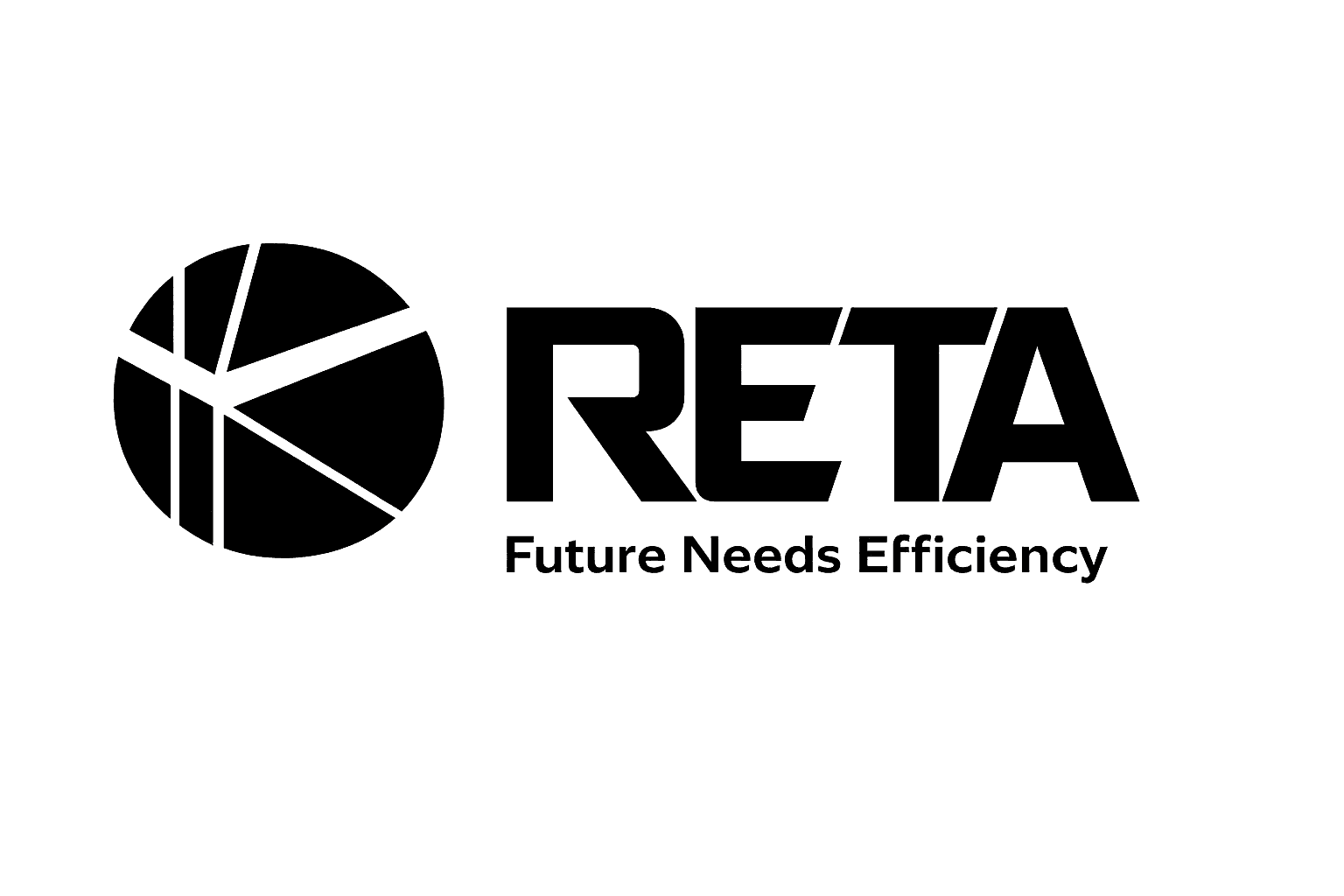
In warehouse investments, cost management is often evaluated based on racking system, building infrastructure, assembly, equipment and operational needs. However, a significant part of these items depends directly or indirectly on steel prices. For this reason, steel prices are not only an external factor affecting the purchasing budget in warehouse projects; they are one of the key variables that shape projection decisions, quotation structure, implementation timing and the overall feasibility of the investment.
Especially for medium and large-scale enterprises, warehouse investment does not just mean creating additional storage space. It also means expanding operational capacity, organizing stock flow, reducing the risk of errors and ensuring long-term efficiency. Therefore, the change in steel prices is not reflected in the project only as a cost increase; it sometimes changes the choice of system, sometimes causes the investment to be divided into phases, and sometimes necessitates a re-evaluation of the technical scope.
The correct approach on a corporate scale is to treat steel prices not as temporary market data, but as a strategic parameter that needs to be considered at an early stage of the warehouse investment. This is because price fluctuations that are not managed correctly can directly affect not only the total cost of the project, but also the approval process, delivery schedule and payback calculation.
What is the Decisive Position of Steel Prices in Project Economics?
In warehouse projects, steel is not just a raw material. Racking uprights, beams, platform carriers, fasteners, support structures and in some projects the main load-bearing system layout consist largely of steel-based components. Therefore, movement in steel prices does not affect a single item, but the entire cost structure of the project.
This effect becomes more visible especially in the following areas:
Racking system unit costs
Platform and multi-tier structure solutions
Load-bearing cross-section selections
Total tonnage requirement
Currency of the project budget
Validity period of quotations
The main point to be considered here is that the price increase should not be read only as an increase in cost per ton. Because when the price of steel changes, not only does the material cost increase; quotation structures become shorter-term, supplier risks increase, alternative system searches come to the fore and project timing sits on a more sensitive ground.
For this reason, steel price in warehouse projects should be evaluated beyond market data tracked by the finance department. It must become a joint decision input for project design, purchasing and investment planning teams.
How Does the Change in Steel Prices Affect Quotations, Budget Discipline and the Revision Process in Warehouse Projects?
One of the areas where steel prices are reflected fastest in warehouse projects is quotation management. Especially in racking systems, platform solutions and applications with high structural steel density, the period between the date the quotation is prepared and the date the order confirmation is given is of critical importance. The prolongation of this period may cause the budget that initially seemed healthy to lose its currency in a short time.
This situation does not only mean increased costs for businesses. At the same time, it brings consequences such as re-evaluating the investment budget, making it difficult to compare different supplier offers soundly and increasing cost pressure due to delays in the decision-making process. Therefore, while evaluating the effect of steel prices on warehouse projects, the quotation process should not be seen only as a commercial negotiation area, but as a management topic where technical and financial decisions are handled together.
In the professional approach, quote evaluation is not done on total price alone. The following elements must be read together:
Which steel cost assumption the quotation was prepared with
How long safety of the price is maintained
Within which framework the revision conditions are defined
Whether or not the project will be implemented all at once or in phases is clarified
How alternative system proposals are reflected in the total investment cost
In this framework, budget discipline does not simply mean trying to reduce costs. The primary goal is to match the real cost structure at the time of decision with the project scope correctly. In a healthy process carried out with an expert engineering staff, quotation management is not reduced to price comparison alone; technical accuracy, continuity of implementation and financial risks are evaluated together.
What is the Impact of Steel Prices on System Preferences and Design Decisions?
When steel prices rise, the most common approach is to try to make the project lower cost. However, what needs to be done here is not to weaken the system, but to optimize the system again. Because the right decision in warehouse projects is not to choose the solution with the lowest initial cost, but to manage the total cost while preserving the technical accuracy and operational efficiency of the investment.
At this point, the choice of system is re-evaluated. For example, in structures that require direct access and have high SKU diversity, back-to-back racking system often generates a balanced solution, whereas in operations wanting to optimize aisle usage, narrow aisle racking system can provide a different level of efficiency. In projects where the same product group is stored in high density, drive-in racking system can reduce indirect investment pressure by compressing space usage.
Similarly, in high-circulation pallet operations, shuttle racking can create a different balance in terms of both space and flow. In scenarios where vertical space needs to be evaluated as a second operational layer, mezzanine systems can provide capacity increase without going into new building investment. In structures that require higher automation, automated storage AS/RS systems may seem more advanced in terms of initial investment, but can offer different advantages in terms of long-term operational order.
The core approach here is this: When steel price increases, the right question is not "which system is cheaper?". The right question should be "which system is more accurate in terms of technical need, operational pace and total investment balance?".
How Do Steel Prices Affect Delivery Scheduling and the Purchasing Process in Warehouse Projects?
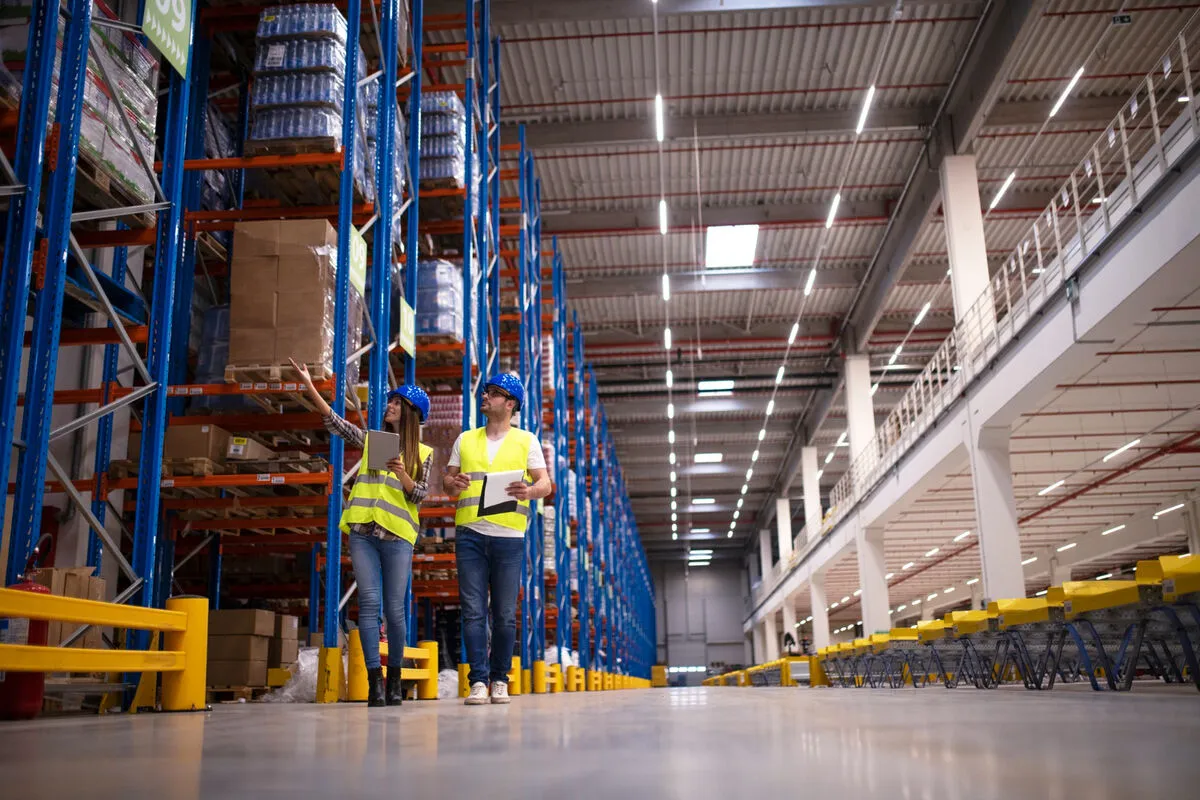
Steel prices are not an element that only affects the total investment budget in warehouse projects. They also directly determine the layout of delivery scheduling, quotation management and purchasing process. In periods when price fluctuations intensify, suppliers may shorten quotation validity periods, reshape stocking approach and handle the order conversion process more sensitively. This situation becomes more evident especially in projects where the decision mechanism includes multiple approval steps.
In large-scale warehouse projects, the extension of the decision period does not only create a risk of cost increase; it also weakens the planning balance in the project flow. Since production sequence, shipment schedule, site preparation and assembly plan proceed dependently on each other, the delay in the purchasing decision can create a chain effect in the implementation process. Therefore, while steel prices are evaluated in warehouse projects, the purchasing process should be treated not only as a commercial step, but as a technical part of project management.
In this framework, the following headings need to be clarified at the beginning of the project:
Planning the project approval process realistically
Defining the quote validity period clearly
Evaluating whether a phased purchasing model is needed
Handling procurement and assembly schedules together
Defining the price revision risk in contract conditions right from the start
A healthy investment approach is not to see the price change as a problem that arises in the final stage, but to evaluate it as a fundamental variable that must be considered from the beginning of the project schedule.
Which Warehouse Projects Are Affected Most by Steel Prices?
Every warehouse project is affected by steel prices; however, the level of this effect varies according to the project type. In some projects, price movement creates a need for a limited update, while in some projects it directly requires a scope evaluation. The main element determining this difference is the steel density and system complexity of the project.
Project types that are more sensitive to steel prices are generally as follows:
High tonnage pallet racking investments
Warehouse layouts containing multi-story platforms
Large square meter distribution center projects
Systems requiring intensive automation infrastructure
Structures where building and racking relationships are designed together
Sensitivity to steel cost is higher especially in investments where height increases, load-bearing density rises and the project scope is planned to be commissioned in a single phase. In contrast, cost management can be more flexible in some modular, gradual and limited-size projects.
It is important to make this distinction correctly. Because the same reaction should not be given to every cost increase. While early purchasing offers a more accurate solution in some projects, system revision or phased investment may be more rational in some projects.
How Draft a More Robust Warehouse Investment Decision While Steel Prices are Rising?
Steel prices are one of the key variables directly affecting the cost structure of warehouse projects. However, this effect does not always have to produce only a negative result. In correctly managed projects, price pressure can turn into a decision filter that ensures the system is freed from unnecessary loads, the racking layout is evaluated more consciously, the investment is divided into phases and the quotation structure is read more disciplinedly. In this respect, the change in steel prices can be evaluated not only as a cost-increasing factor, but also as a testing ground that makes the project layout more rational.
For this reason, reading steel prices only through purchasing cost remains insufficient. The actual evaluation should be made over how this change reflects on the project scope, quotation strategy, delivery schedule and the durability of the investment decision. A strong warehouse investment on a corporate scale does not only consider the current price level; it calculates the impact of price change on the project in advance and designs the decision structure accordingly.
The following framework summarizes how a healthy investment decision should be established:
Decision Area | Correct Approach |
Project scope | Unnecessary tonnage and unneeded applications must be discarded |
Racking system selection | Total investment and operational balance should be considered instead of initial cost |
Purchasing plan | One-time and phased investment choices must be evaluated together |
Quotation management | Price validity period and revision conditions must be read clearly |
Delivery schedule | Procurement, production and assembly schedules must be handled together |
In warehouse investments, the destination is not to completely eliminate price fluctuations. The primary goal is to prevent these fluctuations from making the project uncontrolled. When the right solution partner, strong project design discipline, controlled manufacturing and planned purchasing approach come together, steel prices cease to be an unmanageable risk and turn into a manageable project input.
Clarifying the load structure, racking system, height, shipping dates and purchasing schedule in a single technical framework before starting the warehouse investment allows you to manage the budget and implementation risks stemming from steel prices in a more controlled manner in the project very beginning.
In warehouse investments, cost management is often evaluated based on racking system, building infrastructure, assembly, equipment and operational needs. However, a significant part of these items depends directly or indirectly on steel prices. For this reason, steel prices are not only an external factor affecting the purchasing budget in warehouse projects; they are one of the key variables that shape projection decisions, quotation structure, implementation timing and the overall feasibility of the investment.
Especially for medium and large-scale enterprises, warehouse investment does not just mean creating additional storage space. It also means expanding operational capacity, organizing stock flow, reducing the risk of errors and ensuring long-term efficiency. Therefore, the change in steel prices is not reflected in the project only as a cost increase; it sometimes changes the choice of system, sometimes causes the investment to be divided into phases, and sometimes necessitates a re-evaluation of the technical scope.
The correct approach on a corporate scale is to treat steel prices not as temporary market data, but as a strategic parameter that needs to be considered at an early stage of the warehouse investment. This is because price fluctuations that are not managed correctly can directly affect not only the total cost of the project, but also the approval process, delivery schedule and payback calculation.
What is the Decisive Position of Steel Prices in Project Economics?
In warehouse projects, steel is not just a raw material. Racking uprights, beams, platform carriers, fasteners, support structures and in some projects the main load-bearing system layout consist largely of steel-based components. Therefore, movement in steel prices does not affect a single item, but the entire cost structure of the project.
This effect becomes more visible especially in the following areas:
Racking system unit costs
Platform and multi-tier structure solutions
Load-bearing cross-section selections
Total tonnage requirement
Currency of the project budget
Validity period of quotations
The main point to be considered here is that the price increase should not be read only as an increase in cost per ton. Because when the price of steel changes, not only does the material cost increase; quotation structures become shorter-term, supplier risks increase, alternative system searches come to the fore and project timing sits on a more sensitive ground.
For this reason, steel price in warehouse projects should be evaluated beyond market data tracked by the finance department. It must become a joint decision input for project design, purchasing and investment planning teams.
How Does the Change in Steel Prices Affect Quotations, Budget Discipline and the Revision Process in Warehouse Projects?
One of the areas where steel prices are reflected fastest in warehouse projects is quotation management. Especially in racking systems, platform solutions and applications with high structural steel density, the period between the date the quotation is prepared and the date the order confirmation is given is of critical importance. The prolongation of this period may cause the budget that initially seemed healthy to lose its currency in a short time.
This situation does not only mean increased costs for businesses. At the same time, it brings consequences such as re-evaluating the investment budget, making it difficult to compare different supplier offers soundly and increasing cost pressure due to delays in the decision-making process. Therefore, while evaluating the effect of steel prices on warehouse projects, the quotation process should not be seen only as a commercial negotiation area, but as a management topic where technical and financial decisions are handled together.
In the professional approach, quote evaluation is not done on total price alone. The following elements must be read together:
Which steel cost assumption the quotation was prepared with
How long safety of the price is maintained
Within which framework the revision conditions are defined
Whether or not the project will be implemented all at once or in phases is clarified
How alternative system proposals are reflected in the total investment cost
In this framework, budget discipline does not simply mean trying to reduce costs. The primary goal is to match the real cost structure at the time of decision with the project scope correctly. In a healthy process carried out with an expert engineering staff, quotation management is not reduced to price comparison alone; technical accuracy, continuity of implementation and financial risks are evaluated together.
What is the Impact of Steel Prices on System Preferences and Design Decisions?
When steel prices rise, the most common approach is to try to make the project lower cost. However, what needs to be done here is not to weaken the system, but to optimize the system again. Because the right decision in warehouse projects is not to choose the solution with the lowest initial cost, but to manage the total cost while preserving the technical accuracy and operational efficiency of the investment.
At this point, the choice of system is re-evaluated. For example, in structures that require direct access and have high SKU diversity, back-to-back racking system often generates a balanced solution, whereas in operations wanting to optimize aisle usage, narrow aisle racking system can provide a different level of efficiency. In projects where the same product group is stored in high density, drive-in racking system can reduce indirect investment pressure by compressing space usage.
Similarly, in high-circulation pallet operations, shuttle racking can create a different balance in terms of both space and flow. In scenarios where vertical space needs to be evaluated as a second operational layer, mezzanine systems can provide capacity increase without going into new building investment. In structures that require higher automation, automated storage AS/RS systems may seem more advanced in terms of initial investment, but can offer different advantages in terms of long-term operational order.
The core approach here is this: When steel price increases, the right question is not "which system is cheaper?". The right question should be "which system is more accurate in terms of technical need, operational pace and total investment balance?".
How Do Steel Prices Affect Delivery Scheduling and the Purchasing Process in Warehouse Projects?
Steel prices are not an element that only affects the total investment budget in warehouse projects. They also directly determine the layout of delivery scheduling, quotation management and purchasing process. In periods when price fluctuations intensify, suppliers may shorten quotation validity periods, reshape stocking approach and handle the order conversion process more sensitively. This situation becomes more evident especially in projects where the decision mechanism includes multiple approval steps.
In large-scale warehouse projects, the extension of the decision period does not only create a risk of cost increase; it also weakens the planning balance in the project flow. Since production sequence, shipment schedule, site preparation and assembly plan proceed dependently on each other, the delay in the purchasing decision can create a chain effect in the implementation process. Therefore, while steel prices are evaluated in warehouse projects, the purchasing process should be treated not only as a commercial step, but as a technical part of project management.
In this framework, the following headings need to be clarified at the beginning of the project:
Planning the project approval process realistically
Defining the quote validity period clearly
Evaluating whether a phased purchasing model is needed
Handling procurement and assembly schedules together
Defining the price revision risk in contract conditions right from the start
A healthy investment approach is not to see the price change as a problem that arises in the final stage, but to evaluate it as a fundamental variable that must be considered from the beginning of the project schedule.
Which Warehouse Projects Are Affected Most by Steel Prices?
Every warehouse project is affected by steel prices; however, the level of this effect varies according to the project type. In some projects, price movement creates a need for a limited update, while in some projects it directly requires a scope evaluation. The main element determining this difference is the steel density and system complexity of the project.
Project types that are more sensitive to steel prices are generally as follows:
High tonnage pallet racking investments
Warehouse layouts containing multi-story platforms
Large square meter distribution center projects
Systems requiring intensive automation infrastructure
Structures where building and racking relationships are designed together
Sensitivity to steel cost is higher especially in investments where height increases, load-bearing density rises and the project scope is planned to be commissioned in a single phase. In contrast, cost management can be more flexible in some modular, gradual and limited-size projects.
It is important to make this distinction correctly. Because the same reaction should not be given to every cost increase. While early purchasing offers a more accurate solution in some projects, system revision or phased investment may be more rational in some projects.
How Draft a More Robust Warehouse Investment Decision While Steel Prices are Rising?
Steel prices are one of the key variables directly affecting the cost structure of warehouse projects. However, this effect does not always have to produce only a negative result. In correctly managed projects, price pressure can turn into a decision filter that ensures the system is freed from unnecessary loads, the racking layout is evaluated more consciously, the investment is divided into phases and the quotation structure is read more disciplinedly. In this respect, the change in steel prices can be evaluated not only as a cost-increasing factor, but also as a testing ground that makes the project layout more rational.
For this reason, reading steel prices only through purchasing cost remains insufficient. The actual evaluation should be made over how this change reflects on the project scope, quotation strategy, delivery schedule and the durability of the investment decision. A strong warehouse investment on a corporate scale does not only consider the current price level; it calculates the impact of price change on the project in advance and designs the decision structure accordingly.
The following framework summarizes how a healthy investment decision should be established:
Decision Area | Correct Approach |
Project scope | Unnecessary tonnage and unneeded applications must be discarded |
Racking system selection | Total investment and operational balance should be considered instead of initial cost |
Purchasing plan | One-time and phased investment choices must be evaluated together |
Quotation management | Price validity period and revision conditions must be read clearly |
Delivery schedule | Procurement, production and assembly schedules must be handled together |
In warehouse investments, the destination is not to completely eliminate price fluctuations. The primary goal is to prevent these fluctuations from making the project uncontrolled. When the right solution partner, strong project design discipline, controlled manufacturing and planned purchasing approach come together, steel prices cease to be an unmanageable risk and turn into a manageable project input.
Clarifying the load structure, racking system, height, shipping dates and purchasing schedule in a single technical framework before starting the warehouse investment allows you to manage the budget and implementation risks stemming from steel prices in a more controlled manner in the project very beginning.
Frequently Asked Questions (FAQ) About the Direct Impact of Steel Prices on Warehouse Projects
Frequently Asked Questions (FAQ) About the Direct Impact of Steel Prices on Warehouse Projects
Frequently Asked Questions (FAQ) About the Direct Impact of Steel Prices on Warehouse Projects
Does the Increase in Steel Prices Directly Stop the Warehouse Project?
It does not always stop it. However, it may create a need for significant revisions on the budget, system selection, and implementation schedule.
Does Rack System Selection Change When Steel Prices Rise?
Why Is the Offer Expiry Date So Important?
Does the Phased Investment Model Provide an Advantage Under Steel Price Pressure?
Are Automated Warehouses Affected More by Steel Prices?


Contact
Do you want to receive more information? We have expert and reliable contact persons available for any questions, issues, and suggestions.
Reta Engineering Warehouse Racking Systems Industry and Trade Inc.
Address
Muradiye Organized Industrial Zone, 10th St. No: 30 Yunusemre / Manisa
info@retamuhendislik.com.tr