
How to Do Quick Budgeting Based on Comparable Warehouses?
How to Do Quick Budgeting Based on Comparable Warehouses?
How to Do Quick Budgeting Based on Comparable Warehouses?
Learn about the fast budgeting process compared to peer warehouses; review budget criteria for selecting the right racking system and making technical decisions.
Learn about the fast budgeting process compared to peer warehouses; review budget criteria for selecting the right racking system and making technical decisions.
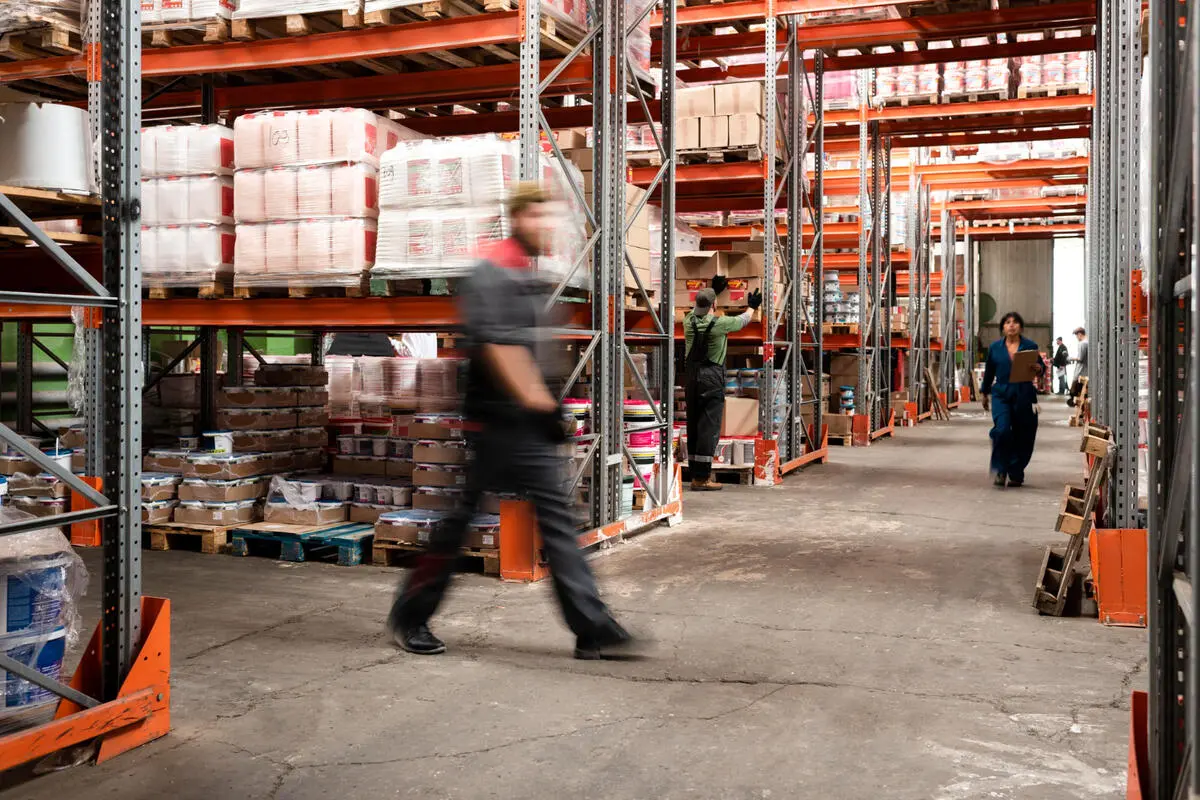
For businesses planning a warehouse racking system investment, the first need is to clearly see which items the investment will consist of. However, at this stage, looking only at the racking price is not correct. Project planning, manufacturing, assembly, floor structure, seismic calculation, handling equipment, and operation density directly affect the budget decision.
Quick budgeting based on comparable warehouses allows for a technical evaluation at an early stage, moving forward from similar warehouse projects. The goal of this approach is not to create an exact budget value, but to understand which systems, which technical requirements, and which risks the planned investment will consist of.
This method is particularly important in the manufacturing, logistics, and retail sectors. Because a warehouse investment does not only create a stock area. Space efficiency, dispatch speed, product access, occupational safety, and growth plans are also part of the decision-making process.
What Does the Comparable Warehouse Logic Mean?
A comparable warehouse is a reference structure that is technically and operationally similar to the planned warehouse project. The goal here is not to implement the exact same system. The goal is to see the variables that affect the budget at an early stage through similar projects.
When conducting a comparable warehouse evaluation, looking only at the square footage is not enough. Two warehouses of the same size may require different systems due to product weight, racking height, pallet type, and dispatch density.
Therefore, in the comparable warehouse logic, product structure, site conditions, operational targets, and growth plans must be evaluated together. A facility storing palletized products and a facility with high carton product flow should not be handled with the same budget approach.
With Which Data Does a Comparable Warehouse Comparison Start?
The first step in a comparable warehouse comparison is to make the need measurable. The statement "more capacity is needed" is not enough on its own. Which product will be managed in what volume, at what speed, and with what equipment must be clarified.
Initially, the following data should be taken into account:
Net warehouse area and usable ceiling height
Product size, weight, and stacking style
Pallet, carton, or box-based storage needs
SKU diversity and inventory turnover speed
Goods receipt, dispatch, and order preparation density
Aisle width and handling equipment type
Floor structure and seismic criteria
Future capacity expansion expectations
This information forms the basis of the preliminary technical evaluation to be made by the warehouse racking manufacturer or warehouse racking fabricator. The project planning, prepared with an expert engineering team, affects not only the racking layout but also the system safety and long-term usage performance.
What Are the Factors Affecting the Budget Based on Comparable Warehouses?
When creating a budget with comparable warehouse data, the primary determining factor is the technical requirements of the system. The load that the rack will carry, the height at which it will be used, the force it will transfer to the floor, and the movements it will be subjected to during operation must be evaluated together.
Criterion | Evaluation Impact |
Racking Height | Determines upright, connection, and assembly needs |
Product Weight | Affects carrying capacity and static calculation |
Floor Condition | Important for anchoring and connection safety |
Seismic Criteria | Reveals the need for a seismically calculated racking system |
Operation Speed | Affects racking type and aisle layout |
Automation Need | Determines system integration and equipment compatibility |
These criteria determine not only the budget but also the safety of the system. Especially in high-bay warehouses, seismic racking manufacturing, static analysis, and assembly quality must not be neglected.

How to Choose a Racking System in Comparable Warehouse Analysis?
Selecting the racking system in comparable warehouse analysis is one of the most critical stages. Because each racking type creates different engineering, manufacturing, and assembly needs.
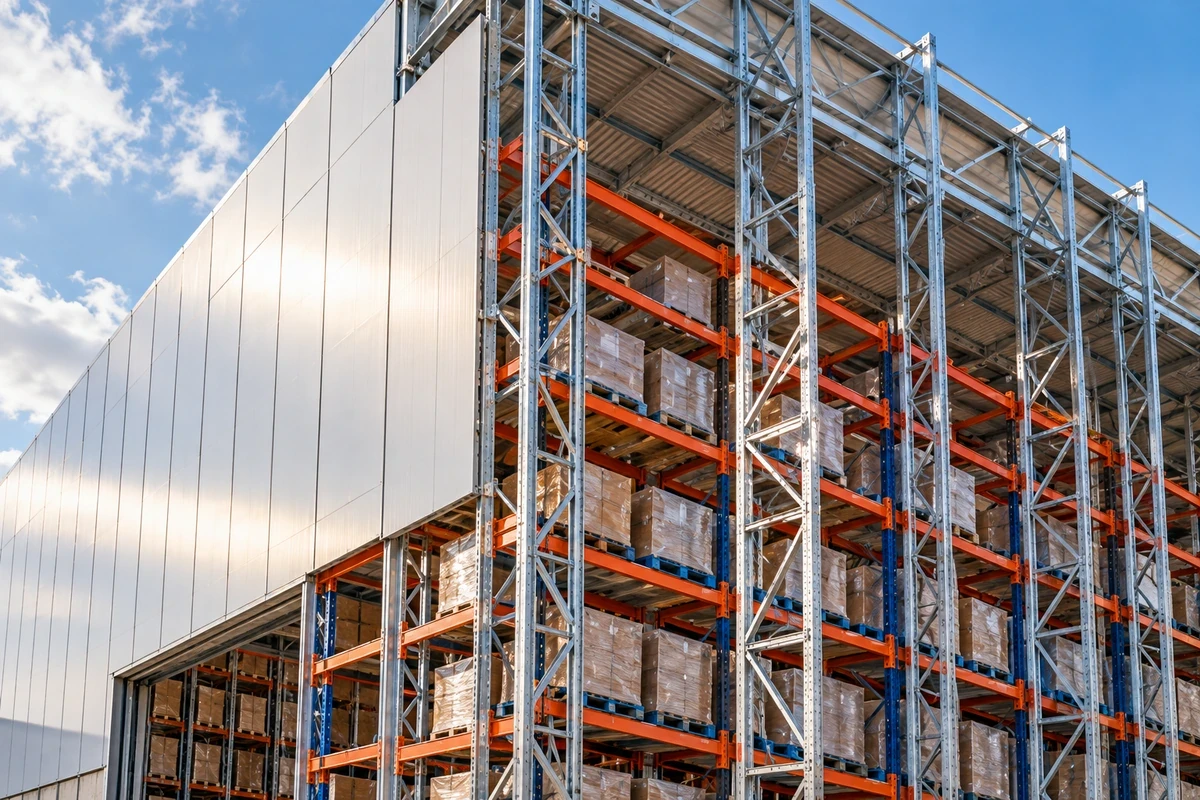
In palletized storage where selective access is important, back-to-back racking system may be suitable. This system provides direct access to different product groups and offers flexible use in production warehouses.
In structures where space is limited and high density storage is targeted, drive-in racking system can be evaluated. This system reduces aisle space. However, product turnover speed, pallet standards, and forklift movements must be analyzed correctly.
For businesses wanting to reduce aisle space, narrow aisle racking system may stand out. In this system, equipment compatibility, maneuvering space, and operator safety should be planned from the start.
In facilities with regular and dense product flow, pallet flow racking can be preferred. In structures with more advanced automation needs, automated storage as/rs racking systems require a different system approach.
Why is Looking Only at the Racking Price in a Comparable Warehouse Budget Misleading?
A warehouse racking system is not a product on its own. It is a system that must be evaluated together with project planning, manufacturing, assembly, quality control, floor connection, and safety details.
When a decision is made based only on the racking price, the following risks may arise:
Racking load capacity may be undercalculated
Forklift and aisle compatibility may not be achieved
Seismic calculations may come up as an afterthought
The assembly process may disrupt operations
Product access may slow down
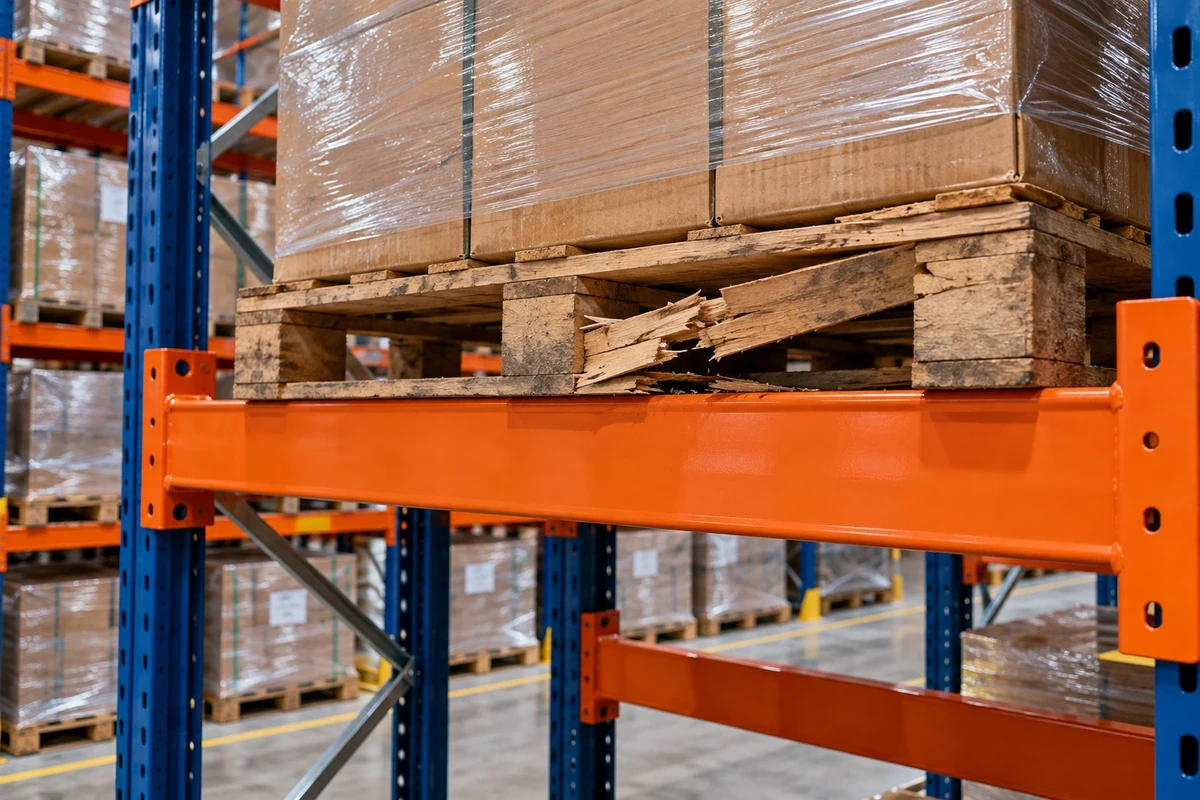
The risk of damage and occupational safety hazards may increase
The right approach is not to choose the lowest-cost system. The right approach is to determine the most suitable system for the business's product structure, site conditions, and operational targets.
What Mistakes Should Be Avoided in Comparable Warehouse Evaluation?
The most common mistake in comparable warehouse evaluation is accepting a similar project as directly applicable. However, each warehouse must be evaluated according to its own product structure, floor condition, racking height, and operation speed.
The main mistakes to avoid are as follows:
Evaluating based only on square footage
Using the comparable project without adapting it to site conditions
Thinking of the handling equipment and racking system separately
Evaluating seismic and floor criteria late
Not including the assembly time in the operation plan
Seeing automation only as a cost item
These errors may create a need for revision in the later stages of the investment. For this reason, quick budgeting must be supported by technical evaluation.
How to Make a Sounder Budget Decision Based on Comparable Warehouses?
Quick budgeting based on comparable warehouses is not a final decision; it is a technical starting point for the right decision. Data obtained from similar warehouse examples helps to understand the cost range. However, the final system selection must be made according to site analysis, engineering calculations, and operational needs.
For a safe and long-lasting warehouse racking system, the project planning, manufacturing, assembly, and quality control processes must be handled together. In this way, the investment adapts not only to today's capacity needs but also to the future growth targets of the business.
For businesses planning a warehouse racking system investment, the first need is to clearly see which items the investment will consist of. However, at this stage, looking only at the racking price is not correct. Project planning, manufacturing, assembly, floor structure, seismic calculation, handling equipment, and operation density directly affect the budget decision.
Quick budgeting based on comparable warehouses allows for a technical evaluation at an early stage, moving forward from similar warehouse projects. The goal of this approach is not to create an exact budget value, but to understand which systems, which technical requirements, and which risks the planned investment will consist of.
This method is particularly important in the manufacturing, logistics, and retail sectors. Because a warehouse investment does not only create a stock area. Space efficiency, dispatch speed, product access, occupational safety, and growth plans are also part of the decision-making process.
What Does the Comparable Warehouse Logic Mean?
A comparable warehouse is a reference structure that is technically and operationally similar to the planned warehouse project. The goal here is not to implement the exact same system. The goal is to see the variables that affect the budget at an early stage through similar projects.
When conducting a comparable warehouse evaluation, looking only at the square footage is not enough. Two warehouses of the same size may require different systems due to product weight, racking height, pallet type, and dispatch density.
Therefore, in the comparable warehouse logic, product structure, site conditions, operational targets, and growth plans must be evaluated together. A facility storing palletized products and a facility with high carton product flow should not be handled with the same budget approach.
With Which Data Does a Comparable Warehouse Comparison Start?
The first step in a comparable warehouse comparison is to make the need measurable. The statement "more capacity is needed" is not enough on its own. Which product will be managed in what volume, at what speed, and with what equipment must be clarified.
Initially, the following data should be taken into account:
Net warehouse area and usable ceiling height
Product size, weight, and stacking style
Pallet, carton, or box-based storage needs
SKU diversity and inventory turnover speed
Goods receipt, dispatch, and order preparation density
Aisle width and handling equipment type
Floor structure and seismic criteria
Future capacity expansion expectations
This information forms the basis of the preliminary technical evaluation to be made by the warehouse racking manufacturer or warehouse racking fabricator. The project planning, prepared with an expert engineering team, affects not only the racking layout but also the system safety and long-term usage performance.
What Are the Factors Affecting the Budget Based on Comparable Warehouses?
When creating a budget with comparable warehouse data, the primary determining factor is the technical requirements of the system. The load that the rack will carry, the height at which it will be used, the force it will transfer to the floor, and the movements it will be subjected to during operation must be evaluated together.
Criterion | Evaluation Impact |
Racking Height | Determines upright, connection, and assembly needs |
Product Weight | Affects carrying capacity and static calculation |
Floor Condition | Important for anchoring and connection safety |
Seismic Criteria | Reveals the need for a seismically calculated racking system |
Operation Speed | Affects racking type and aisle layout |
Automation Need | Determines system integration and equipment compatibility |
These criteria determine not only the budget but also the safety of the system. Especially in high-bay warehouses, seismic racking manufacturing, static analysis, and assembly quality must not be neglected.
How to Choose a Racking System in Comparable Warehouse Analysis?
Selecting the racking system in comparable warehouse analysis is one of the most critical stages. Because each racking type creates different engineering, manufacturing, and assembly needs.
In palletized storage where selective access is important, back-to-back racking system may be suitable. This system provides direct access to different product groups and offers flexible use in production warehouses.
In structures where space is limited and high density storage is targeted, drive-in racking system can be evaluated. This system reduces aisle space. However, product turnover speed, pallet standards, and forklift movements must be analyzed correctly.
For businesses wanting to reduce aisle space, narrow aisle racking system may stand out. In this system, equipment compatibility, maneuvering space, and operator safety should be planned from the start.
In facilities with regular and dense product flow, pallet flow racking can be preferred. In structures with more advanced automation needs, automated storage as/rs racking systems require a different system approach.
Why is Looking Only at the Racking Price in a Comparable Warehouse Budget Misleading?
A warehouse racking system is not a product on its own. It is a system that must be evaluated together with project planning, manufacturing, assembly, quality control, floor connection, and safety details.
When a decision is made based only on the racking price, the following risks may arise:
Racking load capacity may be undercalculated
Forklift and aisle compatibility may not be achieved
Seismic calculations may come up as an afterthought
The assembly process may disrupt operations
Product access may slow down
The risk of damage and occupational safety hazards may increase
The right approach is not to choose the lowest-cost system. The right approach is to determine the most suitable system for the business's product structure, site conditions, and operational targets.
What Mistakes Should Be Avoided in Comparable Warehouse Evaluation?
The most common mistake in comparable warehouse evaluation is accepting a similar project as directly applicable. However, each warehouse must be evaluated according to its own product structure, floor condition, racking height, and operation speed.
The main mistakes to avoid are as follows:
Evaluating based only on square footage
Using the comparable project without adapting it to site conditions
Thinking of the handling equipment and racking system separately
Evaluating seismic and floor criteria late
Not including the assembly time in the operation plan
Seeing automation only as a cost item
These errors may create a need for revision in the later stages of the investment. For this reason, quick budgeting must be supported by technical evaluation.
How to Make a Sounder Budget Decision Based on Comparable Warehouses?
Quick budgeting based on comparable warehouses is not a final decision; it is a technical starting point for the right decision. Data obtained from similar warehouse examples helps to understand the cost range. However, the final system selection must be made according to site analysis, engineering calculations, and operational needs.
For a safe and long-lasting warehouse racking system, the project planning, manufacturing, assembly, and quality control processes must be handled together. In this way, the investment adapts not only to today's capacity needs but also to the future growth targets of the business.
Frequently Asked Questions (FAQ) About Quick Budgeting Based on Peer Warehouses
Frequently Asked Questions (FAQ) About Quick Budgeting Based on Peer Warehouses
Frequently Asked Questions (FAQ) About Quick Budgeting Based on Peer Warehouses
How to Choose a Warehouse Racking System?
The selection of a warehouse racking system is made according to product weight, pallet size, inventory turnover rate, warehouse height, handling equipment, and accessibility needs.
In Which Warehouses Are Seismic-Calculated Racking Systems Important?
Is the Narrow Aisle Racking System Suitable for Every Warehouse?
When Are Automated Storage Systems Preferred?
Why is Installation Quality Important in Warehouse Racking Systems?

Contact
Do you want to receive more information? We have expert and reliable contact persons available for any questions, issues, and suggestions.
Reta Engineering Warehouse Racking Systems Industry and Trade Inc.
Address
Muradiye Organized Industrial Zone, 10th St. No: 30 Yunusemre / Manisa
info@retamuhendislik.com.tr